Dr. Leigh Frame, PhD & Dr. Scott Jackson, PhD
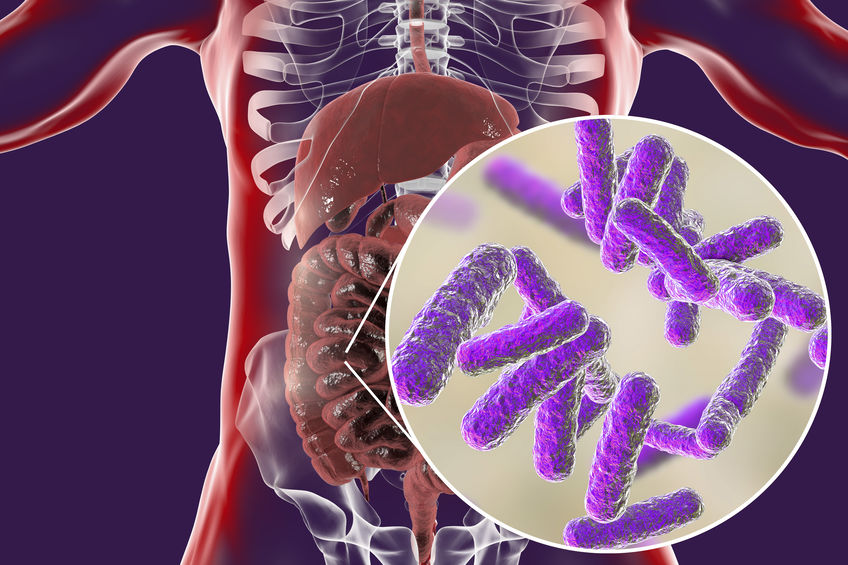
The ability to measure the gut microbiome led to a surge in understanding and knowledge of its role in health and disease. The diet is a source of, fuel for, and influencer of composition of the microbiome. The microbiota utilize and produce micronutrients. The bidirectional relationship between micronutrition and the gut microbiome is emerging.
{mp3}https://dts.podtrac.com/redirect.mp3/superhumanradio.net/components/com_podcast/media/mp3s/SHR_Show_2502.mp3{title}SHR_Show_2502{end-mp3}
SHR # 2502 :: Gut Microbiome: Driver Of Health Or Passenger Of Your Diet?
Show Notes:
[2:22] review of the role of nutrition in the gut micobiome.
- This study connects the dots between the existing literature.
- Diet impacts the gut microbiome more than anything.
[4:44] Nutrition is highly individualized and is dependent on the microbiome.
- Only 20-30% of the microbiome is common ground.
[8:19] Fiber
- The average American is probably in no danger of getting too much fiber.
- Consumption of fiber should also be focused on variety.
[15:55] The study was approached with a very experimental intent.
[17:13] Protein is not good or bad (baby talk).
- Large amounts of undigested protein without fibers in the gut are bad.
- This causes a lack of balance.
[20:54] How does the mixing of foods affect digestion?
[21:50] There is no clinically actionable information that can be taken from the research yet.
[27:18] Microbiome testing protocols.
[32:43] Antinutrients (lectins).
- Lectin problems are most likely individual in nature.
- Lectins are a whole class of proteins, and each one is its own separate entity.
[37:08] The microbiome shifts over time.
[42:25] Will the microbiome actually ever be used to predict disease states?
[53:11] What about fasting?
[56:55] The latitude effect.
Show Transcript SHR # 2502 :: Gut Microbiome: Driver Of Health Or Passenger Of Your Diet?