Carl Lanore
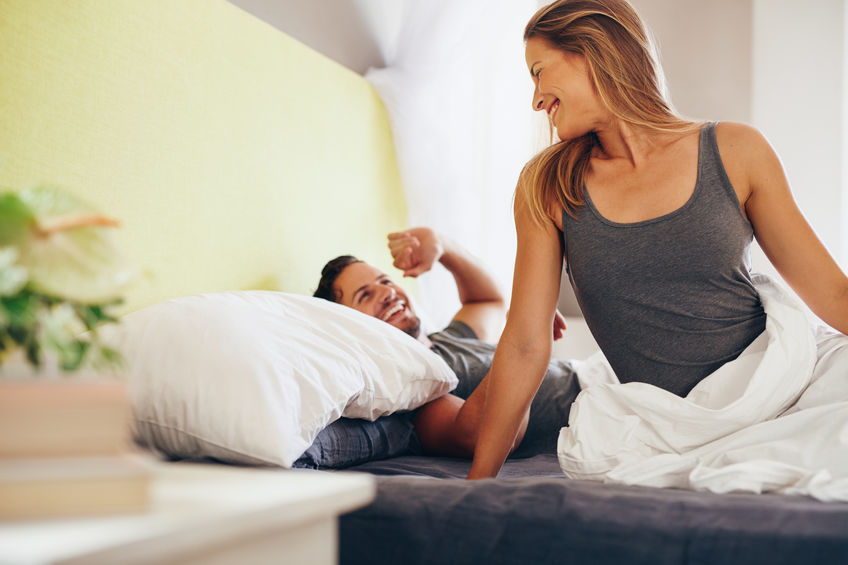
No matter who I speak to about any given health issue, unanimously, everyone is starving for a better night's sleep. Here's how to sleep better and improve just about every aspect of your life.
{mp3}https://superhumanradio.net/components/com_podcast/media/mp3s/SHR_Show_2268.mp3{title}SHR_Show_2268{end-mp3}
{spoiler spoilerID,Click to read Show Transcript,Click me to close}
[00:00:00] Hey, hey, welcome back to another episode of superhuman radio. This has been a show that I've wanted to do for a long time. It just so happened that dr. Jeff is traveling to a trade show today. So we weren't going to do science for humans and I thought well, here's an opportunity for me to do this show which is kind of Quasi science for humans.
[00:01:00] [00:01:02] And on today's show. I'm going to teach you some very very quick and easy things to do that will improve your sleep tonight and how you feel tomorrow because if you sleep better tonight, you'll feel fantastic tomorrow.
[00:01:22] Sleep has gotten really bad. In fact, if you if you look on Google Trends and you actually search for. the trend get better sleep from 2004 to today. You'll see that it was really below 25%. of the searches. Today, it's it's it's above 75% It's inching very close to a hundred percent in the interest over time category from 2004 forward [00:02:00] and one could say that's because people have more access to the internet and are using it more frequently, but one could also argue that people are sleeping.
[00:02:10] poor. I receive emails from people every week messages on Facebook. They friend me and then I get a message mediately after after I accept their friendship saying hey, I've heard your show or recently. I saw you on Tom bill you show having these problems and it's a lot easier for me to talk to people than it is to reply by typing words.
[00:02:40] Quite often. I surprise them and I send them my cell phone number and say can you call me? And we talk and no matter what it is that's plaguing them. Whether it's autoimmune disorder. Whether it's you know goals in the gym that aren't [00:03:00] working out no matter what it is. That's plaguing them. one of the things.
[00:03:06] That they always say no matter who I'm talking to is that their sleep sucks. And it's gotten to the point where I created a like a quick Tip Sheet that I would send to people and say here's what you do about your sleep. Because once you get you sleep straight A lot of these other problems start to go away you actually get better.
[00:03:27] I'm seeing this myself first hand. My sleep is about as good as it's been. In a decade right now and consistently sleeping that way for the past few weeks now little things I've done to tweak it. I'm going to go through all that to today have got me to a point where I actually look forward to going to sleep at night because I know I'm going to wake up in the morning feeling great.
[00:03:53] Hit the gym and train but most of us sleep poorly for the same [00:04:00] reasons. That's the irony of all this. And the conditions that were battling a secondary and a lot of times they stem from poor sleep or let's say they're exacerbated by poor sleep. So let me tell you about pain management as many of you know, I've been living with chronic pain in my left foot for a few years now surgery setup for the week after Thanksgiving this year and hopefully from that point forward.
[00:04:27] I will be without chronic pain, but. Chronic pain steals the joy out of your life. and when I don't sleep, well, my pain levels are higher when I sleep. Well my pain levels and not even noticeable some days. Let's say not noticeable for me would be tolerable. Okay, because I it's still there.
[00:04:57] But most people say to me no matter what it [00:05:00] is. They're talking about that. They're sleep sucks. They don't sleep. Well and even the ones who think they sleep. Well they say I say, how did you sleep? It's okay. They don't stop talking after they go. You know, I have the typical problems with sleep.
[00:05:14] Oh, it's okay based on the current typical problems. Everybody else has with. And when you start to peel the onion you find out there's a handful of things that people could be doing to improve their sleep. And then there's another handful of things that they could do to make their sleep. Perfect.
[00:05:34] So. now a quick word about obstructive sleep apnea and snoring we're not talking about you in this show. Although you will get things from this show that will make your sleep better, but. Whether you suffer from obstructive sleep apnea or you snore like your wife or your friends have told you man you snore really loud that's impairing your [00:06:00] sleep.
[00:06:00] You have to address that first. If that means sleeping with the CPAP until you figure out what the problem is. That's fine if that means sleeping with an apparatus that keeps you from snoring, but we're going to address mouth-breathing today. You know, you got to do something about that that this show is not going to not going to correct somebody who has Osa.
[00:06:27] A lot of the problems we have with sleep today are result of modernity. we have evolved to. get tired when it gets dark out, but it no longer gets dark out right? Well, thanks. Thanks, Thomas, Edison. No, we can just flip lights on and quite frankly. While lights became a problem artificial lights have become a problem as the technology has improved in artificial lighting.
[00:06:56] The problem has gotten worse and worse these new LED lights and [00:07:00] all these other new lights that we have available to us that a super bright. They have a lot more blue. And that blue light sends a signal to the brain through the suprachiasmatic nuclei which fed by the eyes that it's still daytime out.
[00:07:20] Wake up all the systems in the body should be awake. And then you expect to just flip the lights out lay down in bed and go to sleep doesn't work that way. So artificial light has had a lot to do with the Sleep problems we have today. Low activity is another thing, you know in science daytime is called the locomotive period meaning we move around your body receives feedback from your environment.
[00:07:55] Not just light.
[00:07:59] But [00:08:00] also your activity level.
[00:08:05] Adenosine triphosphate plays a large role in energy production. It also plays a large role in the development of sleep pressure because as you use ATP is energy the adenosine is cleaved off and some of that makes it to the brain and it's stored in an area of the brain that creates what's known in science as sleep pressure, but in normal English as you get tired, You know if you work really hard you're tired.
[00:08:32] Right that's adenosine accumulating in areas of the brain that are designed to tell your body. You've worked enough. It's time to recover time to rest now. So aside from artificial light telling our bodies, it's daytime when it's ten o'clock at night. Our lack of activity is contributing to this confusion by the body of when is it daytime?
[00:08:57] And when is it nighttime and you could even [00:09:00] add to this? We know that eating during the day sets up sleep patterns. That's part of the locomotive. That's part of activity. And so people are on absurd diets. And anybody who's ever fasted for three days knows the first couple nights. You just don't sleep.
[00:09:18] Well, you just don't you sleep maybe 4 or 5 hours. That's it. And that's not just because of the lack of nutrition coming into the body part of that is also. The body's disruption of circadian rhythm. the indicators of activity. so. Low activity, you know you you get out of bed in the morning. You sit down you watch the news you have your coffee you get dressed.
[00:09:53] You go to the bus or the train or your car you sit. Get to work [00:10:00] you walk a little bit you sit at your desk for maybe eight hours. Some of us 10 hours a day.
[00:10:08] Get back on the bus or the train. or in your car. drive home get home sit down with the family or in front of the TV. Is that sitting again? And then. You Had A Hard Day's Work you earned it you want to unwind what do you do you sit down on the sofa? You maybe a snack maybe you don't? You watch TV.
[00:10:36] Tell the brain. It's still daytime midnight get in bed fall asleep. Maybe don't fall asleep fall asleep and stay asleep for an hour and wake up struggle go to the night. Wake up and do it again.
[00:10:57] We know that this [00:11:00] what they call fragmented sleep leads to dementia and Alzheimer's disease. We know that it leads to different types of cancers. And we can sit here and try to postulate whether it's melatonin or what but the bottom line is if you don't sleep well you get fat. You get insulin resistance you develop cancers you get arrhythmias you have chronic pain.
[00:11:26] I mean sleep is one of the most powerful if observed and most damaging if not observe things we do day in and day out.
[00:11:44] Remember I said about eating. So another curse of modernity is that we have food available all the time. And sometimes people at ten o'clock at night want to have a snack and they eat and there's that activity [00:12:00] period contradiction again.
[00:12:05] It's another contributor to not being able to fall asleep. A lot of people say I can't fall asleep unless I have that bowl of Captain Crunch before bed. Now, you could fall asleep. You've just got yourself into this groove now. And that's also blood sugar management part of that and we'll talk about that in a second.
[00:12:22] but. when you eat right before bed, you're basically calling the workers in for the third shift and saying hey, we're going to build things tonight. Come on in the factories open and then you want to go to sleep.
[00:12:40] You want to call the workers in you want to get all the systems in the machines fired up? You want to get the body work and hard to digest food, but then you say but don't bother me. I'm going to go to sleep that's impossible because you live inside the factory. So if you're eating right before going to sleep, [00:13:00] you're going to set yourself up for a really horrible night sleep.
[00:13:04] There's no doubt about it. I don't care if you keep your eyes shut for eight hours and lay in bed. You're not getting good quality reparative sleep in fact according to dr. Del bredesen. one of the important things he has people who suffer from Alzheimer's doing to help reverse their Alzheimer's.
[00:13:23] Is a window of three hours from their last meal to when they go to bed. Think about that for a. If you're eating right before bed. You're doing the exact opposite of what helps reverse Alzheimers, which means you're doing what causes Alzheimer's.
[00:13:49] Obviously, it's multifaceted. Dr. Del bredesen is going to be back on the show next week actually going to catch up with him. But that's one of the things he makes people do to [00:14:00] reverse Alzheimers three-hour window from your last meal. To when you go to bed because he understands that in order for the body to repair itself in order for the brain the sanitation system in the brain to clear up all the metabolic debris.
[00:14:17] The factory can't be open. You can't be digesting food.
[00:14:26] So modernity has really caused sleep to slide other things in modernity that are affecting sleep. Is getting back to blue light for a second some of us want to lay in bed and play on our cell phones at night before bed. We're staring into this bright screen that just 8 inches from our faces.
[00:14:53] Your cell phones a double whammy. There's plenty of really good research that shows that [00:15:00] the RF from your phone stimulates your brain. People who took a cell phone call of only 15 minutes. Took an hour and a half longer to get into deep sleep if they took that call right before bedtime.
[00:15:20] What current research shows that the RF from your cell phone makes your brain insulin-resistant temporarily? One of the Hallmarks of Alzheimer's diseases insulin resistance of the brain. But on a long-term basis.
[00:15:42] The modern cell phone frequencies that they use which by the way are shared with your cordless phone. So when we talk about cell phones you might as well talk about your cordless phone, too.
[00:15:55] They've been shown to make the hemispheres of the brain [00:16:00] closest to the radiating point. Insulin resistant for up to an hour and a half. Maybe that's why it takes longer to get into deep sleep. Everybody else thought it was the excitatory effects on the cells by these high frequencies. Maybe it's the insulin resistance.
[00:16:17] We don't know someone needs to start doing that research. But in the meantime. If you are playing on your phone, it's in front of your face. It's generating RF right into the front of your face and into your eyes and into your forehead. Before bed or if you take a phone call before bed. You don't get into deep sleep for an hour and a half.
[00:16:41] Now for those of you who actually sleep with your phones on next to you in your bed. You're never getting into deep sleep. You know, I used to say man. When I was young I could fall asleep on a picket fence because I always Associated great sleep with being [00:17:00] young, but I talked to a lot of young people today who sleep like crap young people don't sleep good anymore.
[00:17:07] What the f is going on? Could it be the fact that they have to have their cell phones on in their bed every second of the day so that they can get that important text message from a friend.
[00:17:23] And it's not just kids. It's adults to who do this. They leave their phones on on their bed stand that's exciting your brain. It's affecting the insulin sensitivity of your brain. Oh don't get don't be misguided to think that just because you're not on your phone texting that it's just sitting there that it's not transmitting its constantly transmitting every second its transponder to tell the cell system where it is and the cell system saying hey move over just in case you make a call in the next couple seconds.
[00:17:53] You can't come over here. You have to go over there. It's doing that constantly all the time.
[00:18:01] [00:18:00] And your cordless phone at home is even worse because your cordless phone has what's known as a mock signal tone. That it's constantly transmitting constantly mom stop. As long as it's the base station is plugged in to all the handsets to say I'm here and you know, if you have unplugged the base station all the handsets immediately start saying searching searching searching because the beacon that they've been locked onto just disappeared like oh the beacons gone search for it.
[00:18:37] We're listening listening listening. We listen. We don't hear it. We listening. That's because your cordless phone base station like your router is transmitting all 24 hours a day all the time.
[00:18:54] And you're Outta is another one of these things that modernity has brought [00:19:00] that is causing problems with. Because these are all onto one point four two point four two point seven three point eight gigahertz. He's a very very high frequencies and they're being transmitted with significant amounts of power.
[00:19:15] Your cell phone is only 7/10 of a watt supposedly, but your cordless base station is 5 Watts. They talk from the moon to the earth with one watt folks one watch. Now granted there were no buildings in between. So there's no path loss but five watts is a lot of power to be coming out of that base station.
[00:19:39] You know on your desk in the room next to your bedroom.
[00:19:47] We're going to take a break. I got lots to talk about lots of talk about and at the end of the show. I'm going to give you 10 tips that have you do them. The sooner you do them the faster your sleep will improve and your [00:20:00] whole life will improve with it. Stay tuned. Welcome back. Okay, so there's an old saying in business management and that is if you can't measure it you can't manage it.
[00:20:13] So most people wake up in the morning and they think they didn't sleep good. They think they slept good. But then as the day wears on they say, oh, you know, I must have slept good last night. Because I'm pretty tired already. Let me get some more coffee. You start the day off with coffee and then you need coffee again and later in the day and maybe you're using Energy Products and so on and so forth.
[00:20:39] So the first step in. Improving your sleep as you got to get yourself some sort of asleep app. That you can keep your phone on the airplane mode. It's not transmitting. [00:21:00] I personally like an app called Sleep Cycle. I think it's like either free or two dollars on iPhone. You can get it your iTunes Store.
[00:21:11] I like it because it uses your microphone and your motion sensor in your phone to recognize your breathing and your movement in bed, and it can tell how soundly you're sleeping. by how slow your breath is getting and the lack of movement or if you're wide awake because. It senses the movement in the room when you set up on the edge of the bed.
[00:21:43] It's completely under the invasive and it allows you to set an alarm and it allows you to even set up sounds to fall asleep to it's really cool app get that get that get that installed using it. One of the other [00:22:00] things it does. Is it records if you start snoring? It'll tell you you you snort for 7 minutes last night and it'll give you a little Snippets of each occurrence.
[00:22:10] It gives you the first 15 seconds of each time you started to snore and you can hear your snoring. You can go. Wow. That's loud. Or I was hardly a snore was just a little Grumble nothing to worry about. A lot of people especially those who live alone. A surprise to find out. Oh my God. I snore I never knew I snored.
[00:22:33] Well sure. No one there to tell you.
[00:22:39] Sleep cycles a great app get it. Learn how to use it start tracking your sleep and start building a database of nights where you sleep well in nights where you don't and look at your activity and look at one like see I know. I get into deep sleep all night long at different times, but I get into my deepest deep sleep [00:23:00] at 3 a.m.
[00:23:00] In the morning. And that is when I typically would start snoring too because that's when all the muscles in my body is so relaxed.
[00:23:11] So asleep app allows you to track your sleep so that you know that the things that you're doing or either having an effect or not having an effect. So the. The first thing that you want to start doing. it is stop eating at 6 p.m. If you're into intermittent fasting then you know faster 16 hours and eat but just make your last meal / around 6 p.m.
[00:23:37] That's the first thing you want to do. So that by the time you go to sleep. all the digesting. That heavy lifting portion of digesting is done and your body's not working all night long while you're trying to sleep. That's number one. Number two, I can't tell you not to watch television at night or work on your computer because maybe have a [00:24:00] job.
[00:24:01] But what I can tell you to do is to get yourself a pair of blue blocking sunglasses, you can spend a lot of money on them or you can spend a little bit of money on them. It doesn't matter. They're all good. The reality is that. While not very stylish. the you vex. Sky purrs on Amazon for like six dollars a pair will allow you to buy a really cheap pair of blue blocking glasses to experiment with.
[00:24:35] I mean why spend? Forty dollars on a pair of really nice looking blue blockers until you've tried them to see if they work for you. They improve your sleep and then there are some really nice blue blocking glasses out there that are stylish and well-made and you can you can grow into those next.
[00:24:59] The skytypers [00:25:00] will get you started put them on at 7 p.m. Now this is especially true. If you're one of these people who says but I just don't get tired. I high end up staying up to one o'clock in the morning. I that's when I get tired just try this. Put the blue blockers on at 7 p.m. And I make you a bet that by 9 p.m.
[00:25:26] You're tired and want to go to bed. I'll bet you unless you've taken stimulants late in the day or you drank a lot of coffee late in the day. You'll be tired by nine o'clock. And go ahead and get in bed at nine o'clock. Now we have to talk about coffee and caffeine for a second.
[00:25:51] caffeine and Parish sleep two different ways. number one. Caffeine modulates glycogen, I'm sorry [00:26:00] glucagon production and blood glucose levels research that I talked about on my show gosh 10 years ago from Rutgers University showed that diabetics type 2 diabetics who cut their caffeine out namely coffee in that particular research paper, they use decaf and caffeinated coffee for these two groups.
[00:26:27] The ones that got rid of the caffeinated coffee were able to lower their blood sugar management meds drastically like by 50% you say well how what why what does that have to do with it? Well caffeine artificially raises blood glucose by raising cortisol and glucagon. So like even if you have no carbs if you have.
[00:26:56] Strong double a Triple Espresso or caffe. Americano [00:27:00] you blood sugar goes up even though you didn't eat anything even if you didn't put sweetener in there. And what they found was most people metabolize caffeine in a 12-hour cycle 10 hours some of you know, 10 to 12. Let's say. and so if you have a big cup of coffee.
[00:27:23] Let's say it. Noon 12 o'clock.
[00:27:30] It will elevate blood sugar levels for lets you say 10 to 12 hours. And then precipitously blood sugar levels will just drop once the influence of the caffeine is gone. So think about it. Let's use 12 hours for. You had that last caffe americano at noon. At midnight your blood sugar starts to drop while you're sleeping.
[00:28:01] [00:28:00] What happens? You wake up around 1 a.m. In the morning. You wake up. You don't know why you're Wide Awake. You're like man. Is it 6:00 already? I'm wide awake. Yeah, because as your blood sugar drops. your brain gets worried. And your brain says blood sugar is dropping. I'm getting worried raise the blood sugar in order for the body to raise the blood sugar.
[00:28:26] It has to turn on some of the Machinery that is associated with being awake like the adrenals.
[00:28:35] So you wake up as a by-product. Sometimes you wake up with a panic feeling. You don't know why you stop worrying about things. That in the morning you don't worry about them. Like what was I worried about that last night, but that's because when blood sugar starts to drop the brain gets worried, but since the brain doesn't have a brain that can look down at it and go.
[00:29:00] [00:28:59] Oh the reason that you're panicked is because blood sugar dropping nut really because you're worried you lost your driver's license. You can't remember where you put it.
[00:29:09] So all you know is. Your body gets his panicked feeling you're still asleep. And you're in that subconscious dream mode and you attach something symbolic to this feeling because that's how we dream and then you wake up. You're all worried about something silly can't figure out why like in the morning you go to yourself.
[00:29:32] Why was I worried about that? Why does that happen in the middle of the night that like the stupidest things while like worried about them when I know that they're not even worth worrying about. Well, it's because your body is already in panic mode and it just attach something meaningless to it. So that the brain would be satisfied and go.
[00:29:48] Oh, this is what we're worried about. So if you go to drink coffee drinking very early in the morning and be done with it. Don't start drinking it in the afternoon.
[00:30:03] [00:30:00] Be bold, like I didn't quit completely. This is I'm going into my second week of no coffee. My sleep has gotten even better with no caffeine my gut feel so much better without coffee. It's unbelievable.
[00:30:20] The funny thing about giving up caffeine is everybody's like, oh it's so hard to do but my sleep got so good about the third day fourth day. It was actually the fourth day of no caffeine the first few nights. My sleep wasn't good. It kind of sucked and I thought well I have heard that when you give up caffeine cold turkey.
[00:30:37] You may not sleep well. So the first couple nights my sleep was in. By the fourth night, I slept so good that the next morning. I didn't feel like I needed caffeine. It was an amazing thing. I was like, oh I can get out of the house so much earlier now because I don't have to go through that ritual making coffee and drink a coffee.
[00:30:56] And then I was with the guy who would go get more coffee later in the day, too. [00:31:00] So my sleep was getting messed up by caffeine. If you're going to drink coffee. Have it early in the morning. Don't do it late into the afternoon. It will not allow you to get into the deepest levels of sleep. And when you're tracking your sleep, you'll start to see some of these things manifest should be like, oh man.
[00:31:18] I didn't know I could get into that deeper sleep all night long.
[00:31:25] So you stop eating at six you got your blue blockers on it seven. In the morning you prepared for this because you had your one cup of coffee at nine. Let's say and that hypoglycemic episode Pastor ready while you were awake. Do you good? Supplements that absolutely should be considered if you having poor sleep.
[00:31:50] But this is for older adults only. I mean I'm talking about you got to be in your 30s and above to start using melatonin.
[00:31:59] and my humble [00:32:00] opinion. A melatonin dose as low as 600 micrograms. All the way up to 50 milligrams. You have to experiment with melatonin to see what works for you. You take a right before bed. And start out with the 600 microgram dose and see how that improves you sleep. You can buy one milligram.
[00:32:24] You can buy 3 milligram by 3 milligram cut them in half and do one and a half a milligram. I've experimented with everything up to 50 milligrams.
[00:32:35] As you get older. You sometimes need more than what work before six milligrams of night is my magic I go to sleep. I stay asleep, except if my bladder gets full in the middle of the night and I have to urinate and when I wake up in the morning, I'm not groggy in fact. I know when I slept good because I wake up in the morning and I stretch.
[00:33:00] [00:32:59] Oh, I feel so good that stretch and I'm like man, I slept good. So 6 milligram works for me now. If you're somebody who's making transitions here and you're like look, I have to have to drink the coffee in the afternoon right now. You're going to find that you probably wake up around two o'clock at three o'clock in the morning every night.
[00:33:21] You probably doing it now.
[00:33:25] You're waking up because of that hypoglycemic episode.
[00:33:34] get yourself the amino acid Glycine glyc inet1 and. Take between 3 grams and 5 grams right at bedtime. Like you're sitting on the edge of the bed you throw it in your mouth washed out with water and you now you go on and get get ready to go to bed. Go to sleep. Glycine is a highly gluconeogenic amino acid and it will [00:34:00] only turn into glucose if the body needs it to the pathway for it to be gluconeogenic is easier.
[00:34:09] Than any other amino acid, which means that the body doesn't have to put a lot of work into turning it into glucose. And gluconeogenesis only kicks in when the body thinks it's starting to run low on sugar before it wakes up the brain. Which then wakes up the adrenals and you wake up. If you take between 3 and 5 grams of glycine before bed if you're somebody.
[00:34:34] Wakes up at 2 or 3 a.m. In the morning and then can't get back to sleep. You will find you'll sleep all night from the first time you use it because it'll top off that dip in blood sugar. That normally wakes you up. That's all it's going to do not going to kick you out of ketosis, please. If you're a keto fan, it's not going to kick you out of ketosis.
[00:35:00] [00:35:00] It's not going to spike your blood and Spike insulin. It's just going to fill in the hole that the hypoglycemic episode is making. That's all it's going to do. And you'll sleep all night long. You'll love me for that one.
[00:35:17] Okay, so getting back to the discussion of caffeine for one more second as you heard before I said that caffeine is kind of a double whammy and that's because caffeine also influences adenosine accumulation in the brain.
[00:35:34] And remember we said adenosine accumulation in the brain cleaved from ATP because you're moving all day long is what creates? Sleepiness, right? We call it sleep pressure. And so people who drink a lot of caffeine throughout the day 10 not to go to sleep easily at night because the caffeine is actually causing the adenosine not to accumulate.
[00:35:59] It's just [00:36:00] another reason why I would Inspire any of you out there to get off of caffeine entirely. Get off of caffeine entirely make that one of your goals in the next few months. Maybe you don't want to tackle it now. So start out by cutting back drinking half-caff call it, you know go to Starbucks and you get your favorite drink and say give me half CAF so the put half caffeinated and half decaffeinated coffee will taste the same.
[00:36:28] You'll still get enough caffeine to feel it. But you'll start weaning your body off of it. We're going to take a break and when we come back, we're going to take this to the next step the next level and I promise you when I'm all finished with this show. You'll be able to implement some of these things immediately tonight and start seeing the benefits of a better night's sleep through a better life tomorrow.
[00:36:54] Stay tuned. So by now many of you know that I am a huge fan [00:37:00] of an app called blink.
[00:37:05] Blankets is an app that takes gosh over 2500 probably close to 3000 now every day. They're adding new titles non-fiction books reduces them to Blanks. Just summarizing the important details in the book kind of a distillation and reduces it to about a 15-minute. Listen. So that. If you're in a hurry and you want the information.
[00:37:40] And you don't want to waste a lot of time because you don't have a lot of time blankest is for you and I love this app. No one no one. No one should be without this app. I can tell you that an interviews. I've done in the past couple weeks. I've had knowledge about [00:38:00] subjects that I've used during interview that I learned using the blankest app listening to different books while I sit here and work at my desk.
[00:38:12] And because they're only 15 minutes long, I mean you could listen to two books. You wouldn't have our. Think about that for a second absorb the knowledge of two books in the half-hour you do cardio. Think about what that means in the course of a week. Imagine if you could absorb the knowledge from 10 books a week.
[00:38:33] You can without changing anything you do now in your day. But it takes going to Blink us.com forward slash superhuman and you can take advantage of a 7-Day free trial and 25% off if you choose to join. I love blankets right now. Actually. I'm listening to a book that. It is kind of outside my wheelhouse the automatic millionaire, you know, I usually listen to science [00:39:00] books but blankets gives you a blanket pic of the day and I've been going with it.
[00:39:06] I'm I'm like, okay, I'm gonna let somebody else to pick the books. I read and see what happens to me and they were like, hey, we think you should listen to this the automatic millionaire. So I'm actually going to be listening to the rest of it today after my show. I'm telling you man. This is the coolest app.
[00:39:23] It's made for your phone made for mobile. So it's really cool and there's times where at night where I can't get to sleep. I actually turn on a book at blankest. I download it to the phone. I turn the Wi-Fi off and I just. It's so cool. And they've got Classics The Seven Habits of Highly Effective People the miracle morning think thinking fast and slow getting things done Rich Dad Poor Dad.
[00:39:56] All these books that people talked about reading years ago and no one no one took the time to [00:40:00] read now, you can get all the distilled information right into your head faster. Just go to blankets.com forward slash super human. Get a 7-Day free trial don't put this off folks. I promise you you're going to be someplace with 15 minutes to kill and instead of looking for 15 minutes to kill you could actually take that 15 minutes and improve your level of understanding of your own life.
[00:40:27] Check it out. Okay, so I want to touch on a few other things here that are worth touching on when we talk about sleep. And someone just messaged me and said it's a good thing. I'm doing the show because of the time change. Yes. A lot of people are really having trouble falling asleep staying asleep and feeling rested the next day and this this can help you all the stuff.
[00:40:52] We're talking about here could help you.
[00:40:57] There are some technologies out there [00:41:00] that are good for you and your sleep just the way there are technologies that are bad. Like I said a high frequency RF no good unplug your router unplug your base station your phone you call this phone put your phone on airplane mode. If you got an app running, you know move your move your alarm clock away from your head.
[00:41:23] That you know 60 Cycle has been shown to impair melatonin production. That's done. Those Studies have done years ago. I can be an 88. So I've tried grounding didn't notice anything now grounding may have some other benefits but it did not help my sleep when I looked at my app. It did not improve my sleep.
[00:41:45] It did not improve how long I stayed in deep sleep and if anything I use the the wrist strap. And it was cumbersome because if I did have to get up in the middle of the night to pee how to unsnap it. Snap it back on. I finally gave up but it did [00:42:00] not help my sleep other people tell me they started sleeping like babies when they started grounding.
[00:42:07] So I would say for you to experiment with yourself. It didn't do anything for me something that does work for me. And has worked for me for close to 20 years now is pulsed electromagnetic field device. I have an earth pulse unit. I love the thing. I can see the difference in my sleep when I don't sleep with it.
[00:42:29] because every now and then. I flip my mattress one day and and I took the magnets out and I didn't put them back in and I went to sleep that night. I actually slept like a whole week. I just didn't feel like putting them back in and then I put them back in and I was like man, I can't believe I've been sleeping without that thing.
[00:42:47] Why would I do that? I get it when I look at my sleep app. I see that I'm in deep asleep so much more frequently for longer periods of time at night when I use my pmf unit. So [00:43:00] works. That's one thing that does work for me. Maybe it won't work for you. Another thing that has really transformed my sleep and I've talked about it openly on the show as taping my mouth at night with a somnath fixed.
[00:43:12] This is something I learned from Ron Penna. The genius behind Quest Nutrition the business side of it his lovely wife Shannon came on our show and talked about how she invented the protein bar itself and how that took off. He told me several months ago when I was out in California for that Think Tank.
[00:43:32] He was like have you ever take your mouth? And I know he thought he sounded crazy saying it and I kind of. You know thought to myself man, you know, I already sleep with a chin strap like I to keep my mouth shut so I don't snore because I already understand the value how snoring even mildly interrupts your sleep it.
[00:43:51] Does it interrupts your sleep. In fact. T' if I forget to tape my mouth at night with some to [00:44:00] fix trip and I go to sleep and I breathe through my mouth. I can see the changes in my sleep. Apnea. And I can hear that I snort a little bit. It's like a Grumble through my nose only. Um. So I would tell people to give some to fix trip a try.
[00:44:21] They're free. He'll send you as a free if you go to super radio dotnet and click the salmon to fix Banner ad they'll send you a trial pack for free so you can try them for a dozen nights or whatever it is. I don't know how many they send you, but they send you enough. I promise. I notice the difference the first night and everybody who does it tells me the same thing.
[00:44:40] I thought it was a stupid idea. I was scared to do what I thought was gonna smother suffocate Bubba then I did it and oh my God, I woke up in the morning. I felt so different. Yes. Tape your mouth. Try it. These are things you should try. for yourself. [00:45:00] the other things we talked about work for everybody that I talk to.
[00:45:03] You know eating at 6 p.m. And stopping blue blockers on it 7 the Melatonin the glycine cool rooms are better to sleep in but you've heard these things before but temperature plays a role. In fact melatonin that you produce in your own pineal gland as well as you take orally lowers your body temperature.
[00:45:26] Think about that your body likes to cool off at night when you're sleeping. So your room being cool. Feels actually more natural to you because your frame of reference of what is called. And what is hot as your own body temperature. Right eye when you have a fever. You feel like you're freezing.
[00:45:48] You got the chills you're shaking. Because the 80 degrees or seven degrees in the room feels cold. Well when your body temperature drops a cold room feels comfortable. [00:46:00] That's why that happens. Okay alcohol bad news for Sleep impairs your sleep it. I don't care if you drink and you go to sleep and you wake up in the morning and you see you in bed all night and.
[00:46:16] You think you slapped if you're looking at your app, you're going to see the nights that you sleep with alcohol You Restless you're going to see that you spend a lot less time in deep sleep and a lot more time in that that zone between sleep and almost awake. It shows you that on the app on the Sleep Cycle app.
[00:46:35] And you alcohol the bad bad idea marijuana some strains contribute to better sleep and some don't. So it's not one of those. You know, I've had people say well, you know, I live in a state where I can get marijuana. Should I try it for sleep? And I've said you know what? I don't think so. I really don't I think that [00:47:00] you may be better off without it because.
[00:47:04] it's one of those things that's kind of unpredictable on how it's going to affect you based on the strain based on the genetics. Of what you have available to you. And so I wouldn't use marijuana to sleep and I can tell you personally that pot makes me not sleep as well. It does. I got my app. I know what I'm talking about.
[00:47:27] See this. This is the beauty of using an app to measure and it doesn't have to be sleep cycle. I have an order ring that's on its way to me. I'm going to be using that next. That thing measures my pulse pulse oximeter. Body temperature everything. So the data points I'm going to get now. I'm going to be very improved.
[00:47:53] But you'll see on your app the things you do and you'll go Tim like I didn't sleep good last night. Look at [00:48:00] this. It all starts with the sleep app. It really does. so. The other thing is you have to be consistent Alisa and I are fairly consistent on the weekends. We go to sleep at the same times on the weekends as we do during the week.
[00:48:20] You know from an evolutionary perspective. We didn't stay up much later than once it got dark out. And it got dark out every night Monday through Saturday and Sunday. It wasn't like, well it got dark out early on Monday through Friday, but then Saturday and Sunday. It's they'd like to we stayed up later.
[00:48:42] Consistency will improve the quality of your sleep and make you a little bit boring to your friends. But who cares really? If you're going to be healthier. Recover from your workouts faster live longer be happier Prosperity [00:49:00] is influenced by how you feel day in and day out and if you're not sleeping, well, you don't feel well you are not going to be prosperous.
[00:49:06] I'm sorry. So I'm
[00:49:11] going to summarize. quickly here the list of things. And if you feel like if I missed anything. Feel free to email me at on are at superhuman radio dotnet and I'll do an addendum to the show. Because nothing to me is more important than improving sleep for you or myself.
[00:49:39] You should feel the same way. Really?
[00:49:48] So here's the list. Stop eating at 6 p.m. Put blue blocking glasses on at 7 p.m. And also. Try to limit [00:50:00] the extremely bright light immediately before bed. And have your bedtime Target be around 9 p.m. I promise you if you put the glasses on it seven you'll be tired by 9. I promise you.
[00:50:17] If you are using coffee and caffeine drink it early but if possible start to consider cutting caffeine out your sleep will improve once you stop using caffeine dramatically, right? It's all notches. Right one thing. Does this the next thing adds to it? The next thing adds to it next thing when you get them all lined up and you're doing them all holy crap, you're sleeping like when you were young again you feel great in the morning when you wake up.
[00:50:46] Yeah, but consider avoiding caffeine entirely. Take anywhere from 600 micrograms to as much as you need. Of melatonin and if you are experiencing [00:51:00] nighttime Awakenings between 2:00 and 3:00 a.m. In the morning where you feel like you're wide awake. You don't understand why take 3 to 5 grams of glycine with your melatonin.
[00:51:13] At bedtime. from a technology standpoint get a sleep tracking device. I highly recommend sleep cycle. I think it's going to do everything you need to do and I if it is a couple bucks and maybe a couple bucks, but it's well worth it.
[00:51:33] If you want to sound generator separate of the one that's in sleep cycle. There's one that I use called Ambi science. You can actually create all these really cool outdoor sounds and and and it allows you to actually orchestrate your own track. If you will that you want to sleep too and putting that on every single night.
[00:51:55] If you're going to use sleep sounds use them every night because that [00:52:00] ritual that you get ready to go to bed, you know make your bed in the morning by the way so that you have to open it up at night get your sleep sounds turned on make it a ritual get in bed. You fall asleep faster you will. But yeah, if you want to take advantage of another technology and be Sciences.
[00:52:22] Sound generator, it's the best play with it. You'll you can use some of your own songs as the Baseline for things. That's the coolest.
[00:52:35] Okay, limit your exposure to RF one hour before bed what that means is no cell phone phone calls where the phone is pressed up against your head or even that you're talking on a on a speaker. In front of your face, no cordless phone calls because they're worse than cell phones. No up-close data transfers, right?
[00:52:56] You don't, you know your iPad your reading data [00:53:00] is going back and forth and it's transmitting one hour before bed.
[00:53:06] unplug your router. Especially if it's in the same on the same floor as your bedroom and maybe just in a room next to you and unplug your cordless phone base station the same thing if it's in close proximity to I mean if it's three stories down you don't have to don't worry about it. Just leave it because your neighbor probably has one that's closer to you than that.
[00:53:27] But if you have a router or cordless phone base station in your office and your office is the war the shares a wall with your bedroom go in and unplug those things at night every single night
[00:53:42] find a cool temperature that you're comfortable with. We sleep in our house at 67 very comfortable. I love it. And try taping your mouth, especially if there's any evidence of mild snoring or mouth breathing almost everybody breathe through their [00:54:00] mouth at some point in the night.
[00:54:04] That keeps you from going into or staying in the deepest levels of sleep. These things folks will improve the quality of your sleep and improve the quality of your life. Beyond anything you can do with a supplement or a workout and I want to talk about working out when we come back because this is going to take a special discussion because of this audience.
[00:54:32] I'm not talking to average people him talking to superhuman. So I want to when we talk about activity. I want to address training and some of the pitfalls. That could actually that we're training can actually hurt your sleep. Stay tuned. Welcome back.
[00:54:52] a bit about training.
[00:54:57] Overtraining will ruin your sleep. It's one of the earliest [00:55:00] signs of that you're getting overtrained is that you sleep starts to suffer. And now that you're going to be using a sleep tracking app and whether or not you use sleep cycle or something else. Maybe you have Fitbit and you can use that.
[00:55:12] That's great. Whatever you use you you must track your sleep and if you have a Fitbit. And you're not using it to track your sleep. You are actually missing out on some of the more valuable information than whether or not you hit 10,000 steps today.
[00:55:30] heart rate variability. Is is a profound indicator of overall cardiovascular health? and if your heart doesn't dip it night, which it won't if you had a meal before you went to bed, by the way, because the factories. If your heart doesn't dip it night mine goes into the 40's at night. If your heart doesn't dip it night and slow down.
[00:55:55] You're like five times more likely to have a heart attack in your sleep than someone who's [00:56:00] heart does dip it night. so training. You have to be careful with your training if you start to see that your sleep is suffering. You need to take time off. I just took three days off days my third day off.
[00:56:16] I'm going back to train back tomorrow because my sleep started to suffer. I trained three days in a row and you know me. I'm an a-hole. I have to train hardest and heaviest. I can three days in a row. You know, I'm 60 years old. I should be training one day on one day off, maybe two days on one day off.
[00:56:38] And so I ended up taking three days off to kind of recover. I feel great now. My sleep was fantastic last night, even though I didn't even though I went to sleep kind of late and I had alcohol yesterday that total UFC asleep up. But the reality is that [00:57:00] when I start to see my sleeping impaired, I know that it's time for me to back off of my training.
[00:57:06] and a lot of people have a hard time figuring out when to take off and when not to. Watch your sleep. It'll tell you when you need to take off. Because once you get used to seeing those dough yet three, I know that if I don't go into my deepest sleep at 3 a.m. In the morning something happened that day or that evening that impaired my sleep.
[00:57:28] And I started to see that around the third day. I trained that night when I went to sleep. In fact, I didn't get into deep sleep a lot that night. I was on you know, I felt like I was on the edge of sleep most of the night and my app showed that.
[00:57:44] So when we talk about activity, I'm talking about people being more active who aren't active earlier in the show, but those of us who wear fitbit's and try to get 10,000 steps a day or do you know an hour of cardio four or five times a week? Plus we [00:58:00] lift weights. You have to watch your sleep app for a different reason because you are already very active.
[00:58:08] You need to watch your sleep app and make sure that your training style is not impairing your sleep because if it's impairing your sleep, it's impairing your recovery. You're not making the gains that you think you're making by pushing so hard and you'd actually be better off by taking your foot.
[00:58:23] Off the gas pedal and pumping the brakes a little bit. So let your sleep app help you discover and design your own personal perfect training cycles, and it'll vary. It'll very it's not always going to be the same. So some weeks you just rock and roll in and everything's going and you can train three or four days in a row and.
[00:58:48] Maybe a month later you second day of training and it's like oh man, my sleep sucks last night. I got to take off for you know, so let the app help you [00:59:00] determine what your own training cycle should be. So there you go. Stop eating at 6 p.m. Blue blockers on at 7 p.m. And avoid very very bright light at bedtime.
[00:59:14] Try to get to sleep at nine if using coffee make it early as possible and if possible cut out caffeine altogether melatonin and glycine at bedtime and appropriate doses melatonin from 600 micrograms up. Glycine 3 4 or 5 grams experiment with different ones as far as technology have a Sleek sleep tracker.
[00:59:38] So you know what you're talking about when you think you slept good or you don't think you slept good? Of course, if you're using a sleep tracker your phone should always be in the airplane mode. Never have a radiating phone of any kind. No cell phone. No cordless phones. No up-close data. Anywhere near you an hour before [01:00:00] bed and definitely not running all night long going unplug them all plug your cell phone into the charger.
[01:00:06] Turn it on airplane mode. Boom you're done. Unplug your router's unplug your your cordless phone base station if it's on the same floor. As your bedroom and it shares a wall or even if it doesn't share one with two root two rooms over if it's on the same floor go unplug them cooler is better for most people and tried taping your mouth.
[01:00:28] Especially if you have evidence that you are breathing through your mouth at night like your dream you out to dry in the morning start there. And as you chip away at these email me at on are at superhuman radio dotnet and tell me tell me tell me tell me. What's working? What's not I want your feedback.
[01:00:47] That's it for today. Thank you for listening to supremum radio tomorrow. I got to go for my annual checkup. I go to learn about the blood work. I talked about on the blueprint Power Hour two weeks ago. [01:01:00] And so I'm sure that will develop into a show as well. So I'm off the air tomorrow. But thank you for listening today and share this show.
[01:01:06] There's a lot of people out there who are struggling to find better sleep just one of these tips could be a life changer for them a life changer. So share it. Thanks a lot.
{/spoiler}