Guests: Dr. Lindsey Lepley, PhD, ATC - Joe Christiano
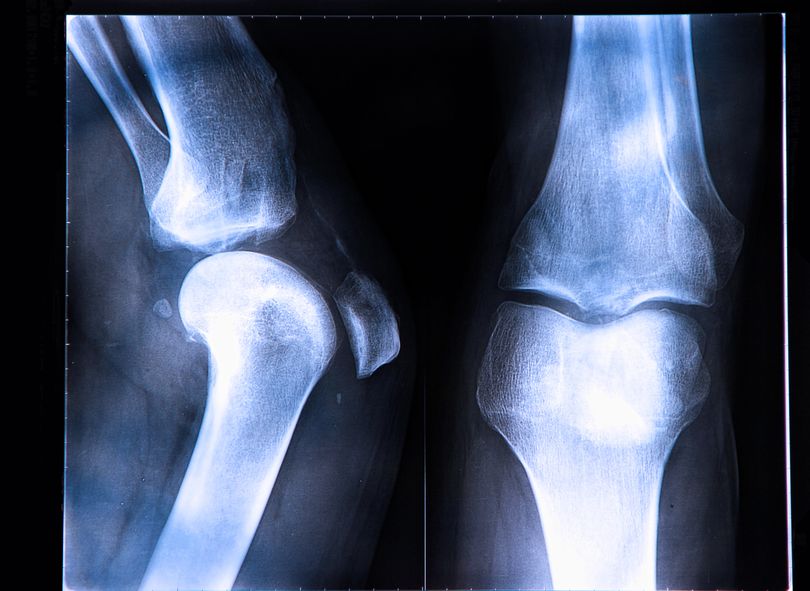
Anterior Cruciate Ligament (ACL) injuries are one of the most common injuries people sustain. The ACL is one of the key ligaments that help stabilize your knee joint. The ACL connects your thighbone (femur) to your shinbone (tibia). It's most commonly torn during sports that involve sudden stops and changes in direction, but more and more people are suffering injuries to the ACL. A new study shows adding eccentric exercises could improve physical therapy outcomes. PLUS GERD is a common condition in our population. Typical therapies include antacids, proton pump inhibitors and in extreme cases, surgery to tighten the esophageal sphincter. What if using the common peptide GHRP6 actually fixes the problem?
Play
Sponsorship Inquiries: email This email address is being protected from spambots. You need JavaScript enabled to view it.
Show Notes:
Show Notes:
[3:00] What inspired this study?
- Most eccentric damage measures come from manually lengthened mice muscles as opposed to human muscle that is attached to bone.
[5:08] What does 1 bout of eccentric exercise do in relation to 1 bout of concentric exercise?
- Rodent model that used tread mill at different angles to create an eccentric or concentric exercise.
- Carl turns into Iron Man on air!
[10:18] The quads can compensate for a missing ACL.
- ACL injuries are common.
- 5-10 years later: osteo-arthritis can become present.
- Neurological disruption dampens the ability to contract the quadricep.
[15:25] eccentric exercise helps to re stabilize neurological connection.
- The muscle “damage” from eccentrics is self-rectifying.
[32:00] Does eccentric training affect soft tissue as well?
[35:23] what is the next step of this research?
- Investigation of the underlying mechanisms, dose response, etc.
[44:20] Incorporating eccentrics into an elderly person’s training.
[51:30] Joe’s GERD experience.
- GERD is associated with sleep apnea and will eventually lead to esophageal cancer if not corrected.
[56:00] The problem with proton pump inhibitors.
- They are linked to heart failure and dementia.
- GHRP-6 acts as a gastric pro-kinetic agent without affecting heart rate.
- MK-677 is not a viable alternative.