Evelyn Kocur
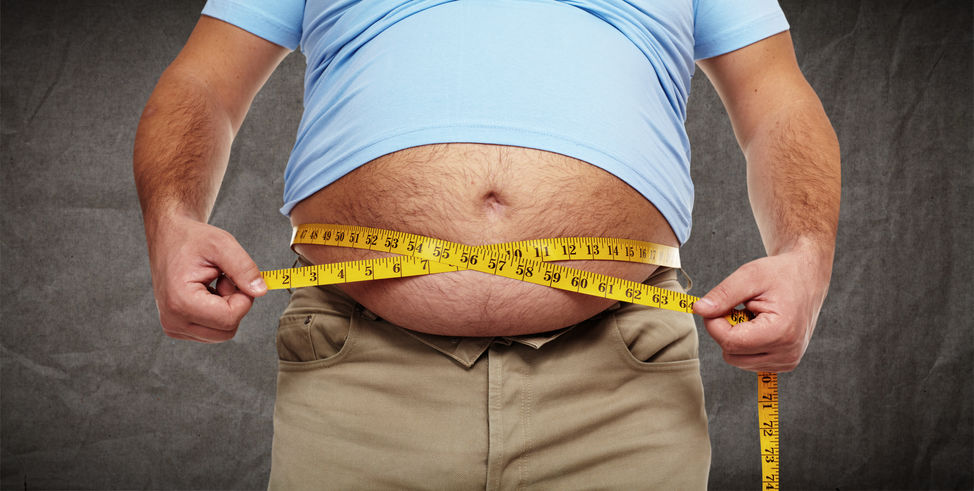
An issue so important that an entire week is dedicated to its discussion. But are we making any real progress?
{mp3}https://superhumanradio.net/components/com_podcast/media/mp3s/SHR_Show_2273.mp3{title}SHR_Show_2273{end-mp3}
{spoiler spoilerID,Click to read Show Transcript,Click me to close}
[00:00:00] Welcome back to another episode of superhuman radio. This is a short week because we have Thanksgiving upon us here in the United States. So I'm only going to be working Monday and Tuesday this week. And in light of that I needed a show that was very impactful for Monday. And we have that we're going to be joined by Evelyn coaster and just a minute to talk about obesity week little did I even know it existed maybe some of you don't either and this will [00:01:00] be a good discussion.
[00:01:01] Of course, we have to thank all American Pharmaceuticals and EFX sports for their title sponsorship to the show. Right. Now you get six of their top-selling products absolutely free by going to superhuman radio dotnet entering your name and a door clicking any FX Banner ad enter your name and address pay shipping which is five dollars and change legitimately the shipping cost and you'll get six of their top-selling product which include pre workouts protein powders Advanced.
[00:01:28] Karbolyn designer. Carbohydrate supplement. Kre-alkalyn Advanced creatine. I'm just so much good stuff. And that's because dr. Jeff golini believes that no one should buy anything until they tried it and he puts his money where his mouth is welcome back to the show Evelyn cursor. How you doing? Hi, I'm doing great.
[00:01:44] Nice to be back. Yes. Yes, and you are you know, I have to say I have kind of people probably don't realize I lurk as much as I do because I do comment a lot. But I've all the people in my Facebook Community you seem to Garner the most [00:02:00] respect from the widest variety of people within the nutrition and fitness industry and it and II really am humbled by that because you're just like an average person but.
[00:02:12] Say average person. You just one of us, you know, but you really do have you really do have a lot of respect from the people who post about this stuff. Are you Amazed by that? Is it something you've actually found out it's actually not something that I've sought out. It humbles me for you to say that because I know that you do, you know lurk around and lots of different circles.
[00:02:33] And yeah, I really do have. I am amazed at the the wide variety of people who are attracted to the material that I put out because I mean I have friends who are vegans. I have friends who are staunch Tito and everywhere in between up and down the block and. You know I try to do my best whenever I look into a topic so kind of really dive deep [00:03:00] into the scientific research the peer-review stuff and not just what's out there, you know in the abstracts are in the mainstream media coverage of some of the studies that comes out which usually is not anything.
[00:03:14] Resembling what those studies actually said so you have a quality that might and I call him my friend because I feel that way about him and El Moussa. I've known him so long now. Yes, but you and Adele seem to be very very fair handed about topics, you know day Adele's famous for saying on the other hand when he's discussing something because his mind is always looking at what he just said and trying to balance it by the opposite and you seem to be very fair handed in balance that way to you're not you're not a zealot.
[00:03:46] You're not an extremist in any particular direction that I can tell at least. Yeah. I mean I try not to be and I try. You know a lot of times things that I say people will take them and run with them in One [00:04:00] Direction. So I'm kind of always careful to say, you know, if I say something like, you know, this doesn't mean that I'm saying this, you know, and I feel that you know, I've been that way kind of all my life I think with with everything in my life any kind of controversial topic because for whatever reason.
[00:04:20] You know, I'm a pretty blunt straight forward person. I'll say what I think and and and so forth, but I you know, a lot of times people will only hear those talking points and then there's a no she's she's really she's saying that it's like no no and and either nutrition World forget. It is such a landscape of dichotomies of false dichotomies that that is crazy.
[00:04:43] It's like you have to be high fat or. I know that you know or you have to be you know, vegan or carnivore, you can't be something in between. You can't say they're good things to begin diet. [00:05:00] I often say I probably could do the vegan diet for a couple few weeks. It probably would be good for me to do that.
[00:05:05] I my ancestors probably forced to do that at some point then and their journey through Evolution the you know, and so it's interesting that you say that because. I often wonder if the problem we have today in nutrition. Is a that it's not just this or just that it's a multitude of this is and that's and we have people who are just trying to Pander to the population who just want they have that attitude will just tell me what to do.
[00:05:33] Just tell me the one thing I need to do and it's never one thing it you and I just had a conversation of the air where I'm going down this and I'm one of those people who when I latch on to a topic, it's like, oh my God high iron is the reason that the wallpapers peeling in my bathrooms like everything in the answered everything.
[00:05:48] And Ron pain and I just had this discussion. He said that's good because you squeeze everything out of it. You can and eventually I go. Oh, yeah, it's really not that but it's like even during the [00:06:00] discussion we had off the air where I'm like high on iron. I know it's not everything. It's not the answer to all disease.
[00:06:05] That's not the answer to all aging. And do you think a lot of it has to do with the pandering the money-making side of nutrition where people just want to be told it's this one thing. Yeah. I think that. You know our society is definitely one of an instant gratification type of society. So we and we don't want to do a lot of critical thinking anymore for whatever reason so, you know, we want an easy answer and it's this therefore that you know, and it just doesn't really work that way if you if you look into the research and look.
[00:06:40] You know, I mean it's not as popular as it used to be because paleo is really kind of falling down but along with the Paleo Community were the other ancestral Society people the Weston prices Etc that really weren't paleo because they were you know into high-fat Dairy and so forth [00:07:00] and you'll look into some of this stuff and if you actually dig into the literature of these cultures, There is no human beings have survived on relatively monotonous diets in pretty much every culture that vary from, you know, almost all plant carb most of the time and to almost all animal and fat.
[00:07:27] Most of the time but any of those societies also during their Seasons or during their festivals or whatever it is were eating other things. So, you know, you can you can cherry pick and find whatever you want. And if you can find something it seems to me to be I mean and I've been I came from, you know researching into the whole low carb thing.
[00:07:53] Atkins if you have you ever read Atkins original book, no, I have not I have not. Yeah, it's [00:08:00] actually an interesting read you got to get the 1972 version the original and I read that that was my introduction to low carb dieting and I read actually it was the original back but it was in 1997. I think it was that I that I did it but he was very good at you can eat all of these luxurious food.
[00:08:23] And eat as much as you want and these are the words that you know connect with people. It's like I can eat all of these foods that I've been told. I can't eat, you know, and not only that I can eat as much as I want and the thing is, you know, if anybody who goes on the original Atkins diet for the two weeks and then you know tapers up with the few Foods.
[00:08:47] You will lose weight and you will do it because you end up cutting your consumption and they know this everybody knows this The Big Three West Monroe against any they've known [00:09:00] this there is a paper from years ago. I don't even know it was certainly out many years before I started blogging and you know where they basically said.
[00:09:11] You know, you could out the carbohydrates tell people you can eat anything else you want and they go down, you know. Reduce your calorie intake by up to a thousand calories a day that's significant, you know. Yeah, but then you go on the internet and people like wow before. I was eating 1200 calories a day of a low-fat diet and I was gaining weight and then I switched to this and now I'm eating 4,000 calories a day and I'm losing you know, I lost 50 pounds in three days, you know, I mean ridiculous numbers and it's like, you know, That's really not what's happening.
[00:09:47] If you look at what you are actually eating and so when they when they actually monitor what people are eating that's what it comes down to and you know, the people pick and choose and that I think [00:10:00] eat as much as you want and still lose the weight because it's got to be something else magical besides the fact that we are showing too much food into our faces and you know it really I mean.
[00:10:16] I don't know how many times they have to demonstrate that people when they even report their own intake tend to underreport. Oh, I don't know how many times are they under report what they perceive to be bad behavior and over report what they perceive to be good behavior. Oh, that's why as soon as I look at a study that says that they've asked people to recollect over the past 10 years how much red meat they've eaten I stopped reading because people most people are just gonna lie and let's beat.
[00:10:44] Today they're going to say oh, you know, I don't eat red meat while I eat red meat old. It's fabrication. They can't remember what they had for breakfast. He and the real amount. I mean when you think I just got in trouble on the home Twitter because I put a simple tweet out that said the [00:11:00] easiest way to cut calories no matter what diet you're following is to cut your added fat.
[00:11:06] And and I mean when you think about it it is did you ever go to any other macronutrient? And it's such low volume. I mean, you know a tablespoon of butter versus a half a tablespoon of butter right there 50 calories on you know, and and so. you know, but. I lost my train of thought let me take you for a second and take you I want to ask you a question.
[00:11:32] So you know what? What is it about the human condition in an R&R evolutionary edicts that prizes gluttony so much, you know, is it is it really a simple as dr. Daniel Lieberman when he did my interview about the story of the moving body he said. He goes, if you go to a hunter-gatherer, tribe somewhere in the rainforest and you have two coconut trees side by side and you put an escalator in front of one.
[00:11:58] They're not going to climb [00:12:00] anymore. They're going to take the escalator up and so we are programmed to conserve energy and consume energy and we celebrate with food Everybody celebrate of with Moodle of food is love right. It is a human thing animals. Don't do this. Not that I know of. I mean, I don't know that.
[00:12:18] That the animals will have these have festivals where they stole all the food for a year and he did that. I mean even I remember somebody telling me about the mountain men in the Great Plains and as an example of people who ate a low-carb diet, he the most people like once a year. Have you stuffed animals where they have the women and the sugar on them and they ate everything for you know, two three days.
[00:12:45] So it's just it's a human thing to probably definitely wouldn't that phenomenon indicate that those things were not in abundance and that is why you they were part of celebrations. Right. So [00:13:00] it you know it anything that's rare. We prize right and anything that's rare we use for celebration for gift giving for you know and so forth.
[00:13:09] So yeah, I mean, you know, but then again, I mean the idea that food. With completely scarce. All the time is also not necessarily true. I was looking into the the Kalahari Bushmen the cone right should come some they eat like a lot of these things called mongongo nuts, which grow on trees year-round and the only difference in how much of food that they can get.
[00:13:39] Year-round depends on how much they have to walk to get it. That's it. Okay, so there's always I mean until they got kind of pushed out of their territories. They never had a problem with nutrition. They also never had a problem with obesity. you know and by the way, the mongongo nut is like. It's very high [00:14:00] fat and it's almost all linoleic acid the omega-6 that everybody says as soon as I can.
[00:14:18] You know, I'm one of those people was always looking for those black swans because I've been trained by the low carb or so look for the black formed, you know, so I'm always looking for that kind of thing. But yeah, I mean we're we're going to eat more and and I mean if you look at the nhanes data we under report like you said we under report bad behavior, we over report their behavior and still we are telling.
[00:14:43] The nhanes people that as a country we eat about 5 or 600 calories more a day than we used to. And that's probably under estimate. Right? So it's no it's no secret that we're eating more. [00:15:00] So then everybody I call it the whiners. Wh-why - ners, you know, why do we eat more? You know, so it's like. And there's been the only explanation is what we were told to do a little fat diet and carbs make you eat more and you know, there's if you look into the literature, there's just no evidence for that.
[00:15:23] You have all of these cultures eating but kind of white rice and they're not getting fat right, you know, there's some of the the least obese to this day. And when those countries start to see Rising obesity rates, what is it that we see the same thing that we have here that food, you know even less at home fewer traditional foods and you know and and on and on from there, I mean there's there's a hundred different things that go on in our lives every day that cause us to over-consume food.
[00:15:56] Yeah, and I agree and then let's say you can't you can't [00:16:00] discount. Eating late at night eating late at night has a special effect. I believe on metabolism. Yeah. I mean I don't you know, I would agree and disagree with you there. I think that you know, it may change your metabolism. It may you know, there may be less of a burn off than if you eat the same calories in the morning, I think most of the calorie timing Studies have been a wash.
[00:16:26] But then again a lot of you know that is hard to to show in free-living and it might be different in you know in a metabolic chamber, but I think that a lot of it is that Force meal thing. I forget that the restaurant chain that started that had a it's gone away some are very long, but they had a an advertising campaign about your fourth meal.
[00:16:49] So you think about college when people put on their Freshman 15, what are you doing? You're staying up late partying? And then you have to study for exams. Right? So your phone is all-nighters [00:17:00] and four o'clock in the morning comes and you've got your Domino's that's open 24 at that time. When I'm being back in the Dark Ages when I was in school Domino's was you know, they they put out those coupons on campus and you know four o'clock in the morning that that was what was coming in as a pizza and you're eating two slices of pizza in the middle of the night.
[00:17:22] And you know and then you're eating, you know, your normal foods during the day. So if you're up, you know, if you're not sleeping an appropriate amount of time, that's more time that you can each and your consumption is just going to go up and I you know, I don't know that it really matters. If you if you put somebody in a metabolic chamber and you give them food the same amount of food at different times.
[00:17:46] I don't think that it's going to. Change things much right, but if you put people in real life situations where they have access to food and you know, they've just been awake and [00:18:00] so they're hungry, you know, it's been three four five six hours since they ate so, you know, if you used to eat your evening meal at six seven o'clock at night.
[00:18:10] And then go to sleep at 10. Right, right, but you don't actually that's pretty good. Yeah, that's actually that's acceptable see I became 330 pounds by overfeeding for a decade, you know, and and you know, like my favorite move was I would go to Wendy's before going home to have dinner. You know, I was I was I ate constantly and that's who the King of Queens guy.
[00:18:36] Yeah. Yeah. Exactly. Yeah. I was dug on the king of Qin I was I was 330 pounds. And I couldn't blame it on anything. I couldn't say. Well, you know, it's my genetics or I'm big-boned or you know, any of those things. It was really I really worked friggin hard to get to 330 pounds for a decade. I ate a lot.
[00:18:57] I spent a lot of money on hand. [00:19:00] And and the thing is I don't understand, you know, I. I have a hard time with people who are in these, you know Health at every size movement the Obesity Action Coalition. I think it is called and so forth that are you know that the kind of want to take out any any.
[00:19:25] Personal responsibility from from this equation because I mean and this is the big thing with obesity week does the whole thing for the last I think it's two or three years and probably before that but I didn't really follow it back then since 2013 when the AMA overrode their scientific committee and decided that obesity was a disease.
[00:19:46] So now it's like, oh it's a disease. It's not a choice. It's not something that you have any. Any control over right? It's an Affliction and I don't understand why anybody would [00:20:00] rather be labeled as having an Affliction and a disease rather than you know anything but then what is the first line of treatment lifestyle change, right?
[00:20:12] Oh, yeah. Yeah. I haven't I haven't food find a treatment lifestyle change. I have a mound. I have a mem that I'm going to share today in honor of today's show because we're going to take a break when we come back going to talk about obesity week because I never even knew it existed until one of the Nadal ski Brothers posted something and you know, and so I'm like what's obesity we can when I went and look I expected to see.
[00:20:33] Approaches to help people reverse obesity. What I see is a bunch of doctors and surgeons capitalizing on Obesity. I want to talk about that but I have a mem that I'm going to share today. That's probably about five years old that says bariatric surgery doesn't work unless you change your lifestyle the way you eat and you're more active why not just do those first and really that's what it comes down to Evelyn.
[00:20:56] Do you have a Blog right now that people can go to. Yeah, [00:21:00] it's still a Blogspot. It's a carb sanity. VAR B. Sa ni t y dot blog spot.com. There's like a thousand poster is very very level-headed. She gives honest opinions. She gives good opinions. It's worth reading her stuff because we need some sanity in this discussion about nutrition stay tuned.
[00:21:23] We'll be right back. This is the kind of insanity that we deal with Lynn Wright. Who's a friend of mine on Facebook just posted this this is from. St. Mary's Hospital in the UK. Apparently the recently they had World Diabetes Day and guess what st. Mary's Hospital did they had a bake sale ask people stop by and by cakes and cookies and cupcakes to support diabetes, you know, if that was like a SNL skit it would it would be ironic and funny, but it's not it's true.
[00:21:56] So what exactly is obesity week? [00:22:00] Okay. So obesity week is a week-long conference that is co-sponsored by the Obesity Obesity Society and the American Society of metabolic and bariatric surgeons or something like that. It's a be SMS or something. So it's be kind of has two tracks in the in the conference and one is the.
[00:22:25] Weight loss surgery people and the other is the is supposedly the research side of things which is the Obesity Society. But the more I read about the Obesity Obesity Society. I don't know why I'm having a hard time with that today. I'm just going to call it pops. Okay. So the more I read into that and look at who's behind that and some of the articles that.
[00:22:50] Presidents and past presidents of put out they are really In Cahoots or there's something going on there with the pharmaceutical [00:23:00] industry in terms of the anti-obesity drugs and. You know the answer so actually if anybody before the break you ask the people wanted, you know my blog right now the the first blog post and a long time as why aren't we taking anti-obesity drugs so really, you know, you mentioned an adult ski, so Katie an adult she had posted something a while ago and it was a Medscape editorial By Carolyn of opinion and it was basically it said, why aren't we prescribing?
[00:23:33] Be city drugs. And so I'm reading this thing and you know all these little little light bulbs are going off in my head and I'm like, who is this person? So I click on the disclosures and she's basically been associated with all of these and receive funding from all of these pharmaceutical company.
[00:23:50] And then come to find out she's the current president of the Obesity Society. So I'm thinking oh my God obesity. We must be coming home sure enough. [00:24:00] This is about I think it was two weeks before not this again. You know, I didn't follow it for many years, but I followed it the last couple of years.
[00:24:11] So 2016 17 and then this year and I followed him on Twitter and you can anybody can look on social media with the hashtag o w and then just put the year if you want to look at the photos and so forth. And I mean last year had to be the worst because they were in New Orleans and so. What do you think half the pictures were they were people gorging on food and drink you go out to eat it.
[00:24:35] Oh, it's so great to catch up with so and so and we're at eating Beignets. Yes, and I'm thinking to myself, you know, what in and and this year it was in Nashville. So I guess hot chicken is a thing in Nashville. So there's the hot chicken things and you know last year's keynote speaker was Kelly Brownell.
[00:24:54] Are you familiar with him? No. No, he's from Yale. I don't know. So [00:25:00] affiliated with yellow, but he is an obesity specialist who is big into taxation of sugary drinks and all of that stuff and the mom is objectively morbidly obese. So here he gets up at and obesity conference. for you know at the keynote speaker and.
[00:25:23] They're all talking about different supposedly effective ways of treating obesity and I wouldn't trouble for fat shaming because I just asked if this is the expert who is running he was the head of the center. He's the one of the bigwigs in the the people who came up with the Yale food addiction scale and you look at that and you say well, why is he not.
[00:25:52] At least availing himself of all of these treatments right because because they get up there and they're like, well, there's this treatment and [00:26:00] that treatment and if you have the surgery you can lose this much weight and if you take this drug, you know, it can help you quote-unquote romantic Partners obesity.
[00:26:08] It'll be like a fool if you decided to join Alcoholics Anonymous and the group was being led by a guy who's clearly drunk. And he's telling you why you shouldn't drink but he's drinking while he's doing it. It's like exactly is this something that and that and that's my point. Even with what that that stupid thing about a bake sale for obesity.
[00:26:26] I mean from diabetes. So what I've come to the conclusion. Of is because there's a lot of people within the kettle Community not just one anymore. There's a lot of people within the kettle Community who are clearly kettles not working for them. But yet they double down and they promote it and what I've come to the conclusion is these people have the greatest followers because.
[00:26:48] What they represent is not a way out of a bad situation what they represent is it's okay if you fail because look at me I'm down with the struggle. [00:27:00] Yes that yes. Yes you're down with the struggle and and I am and I'm failing just like you don't feel bad follow me. And that is that that is not if you went if you paid college tuition for your.
[00:27:14] To be taught by people who completely failed at math and they're going to be teaching the math. You'd be like, I'm not paying for this but yet for some reason when it comes to dealing with excessive body fat people rather follow somebody who's clearly failing at it because they can sympathize. Is that my is that my imagination or is that really what's going on?
[00:27:36] It's not your imagination and it's exactly I mean, I've been you know, I've been witnessing this phenomenon since I found the low-carb community on the internet back in 2009 and it's like, you know, I would be reading and it's like oh, you know just eat some vegetables and and and and steak and you'll be fine.
[00:27:55] And then you start looking into you know, follow them a little bit more [00:28:00] actually follow them. Not not you know, just. Click on to be a follower you actually follow what they're saying and doing important really a minute, you know, look at these pictures that they're posting and you know, I mean, I it's not about someone's exact weight or or whatever.
[00:28:21] I mean obviously and I've been much more obese. In my lifetime less obesity et cetera. It's not you know, there's something to where you came from because lunch is in a certain way. It's really really really damn difficult to get down to an objectively normal weight. So I'm very sympathetic to the idea that if you can lose a significant portion of your weight, not necessarily be quote unquote.
[00:28:51] Be happy with yourself at cetera and maintain that that to me is Success right? So people [00:29:00] get on me all the time. Like well, how can you say that? It's not a success that this person no longer weighs 400 pounds. So the only way 300 pounds and let you know what even if they did that and they stay 300 pounds.
[00:29:14] Maybe that is a significant Health Improvement, but. You know what? You don't see is, you know, most of the people in the local community that were around back in 2009 2010 when I found it that I'm around anymore. Where they going to say, I stopped blogging stopped doing or they're they're they're you know, they moved on to something else, but they're there they're not.
[00:29:46] Yeah, there are successes. Just like the rest excessive for everything. There are successes for the vegan diet. There are successes for just the plain low-fat diet for intuitive eating for for [00:30:00] anything. There are success stories. And you know, when I look at that the bottom line for most people who successfully.
[00:30:09] Their lives and their weight, it's usually you find your own personal wife or changing your life. And and it it makes you kind of put your foot down to control your environment and control. You know, what what you eat and no, I mean I have friends will bigger about it's like, well, I can't, you know, if I eat something like this, I'll just binge so I just don't eat it and I'm fine with that and like, okay, that's great.
[00:30:38] You know if that's how you can do that and you are happy, you know, and not you know going crazy doing that. Who am I to tell you that you are disordered? As opposed to someone who says, you know, everybody should be able to eat everything. You know, I mean, I personally believe that if you [00:31:00] can't eat.
[00:31:00] A bite of something without going nuts. There's something going on in here well, and then there's us who have addictive personalities. That's the kind of trait that we have. It's we do that with more things than just food. Yeah, but you know, if you're going to do that if it works for you, you know, I used to be much different about this as well because I had an eating disorder a binge eating disorder when I was in my 20s and late teens, you know, and so, you know, I remember.
[00:31:30] That and I say to myself that was like the worst. I mean that was absolutely the worst time in terms of I had no control over food, you know. I had a very bad relationship with food and you know, I could be if I eat a bite of anything that was it. You know and for me, I mean, I got to a point where I was literally fasting or binging.
[00:31:55] Yeah right before before it just kind of. Snowball but you [00:32:00] know so I but I think you know, I mean I have friends on you know that I've met some dinner and some of them I meant personally they have all different methods of doing things and I think that there is you know, there's a lot of people that are like, oh, you know, the the fits tell people that that's not right of them because they're shaming people by being fit and and you know, they don't understand that and it's like, you know, we need to kind of stop worrying about.
[00:32:27] What everybody if you really stop worrying about what everybody else thinks right and just gain control of you know, what it is that you need to eat too, you know nourish your body and then you know occasionally you can celebrate and it can you know, everything is you know, this it's so individual and it's not a medical thing.
[00:32:52] I mean, I think that this is kind of my. My bottom line with where I where I have a problem with [00:33:00] obesity as a disease in and of itself obesity leads to a lot of diseases. Yes. I agree with you. It is of itself is not a disease, but in and of itself, it's not a disease. It's not like you come down with obesity.
[00:33:13] And you know, they even even though the genetic stuff there the the genetic ties of the few genes that they found tied to obesity is very very but some of those genes that they taught that are tied to obesity and not tied to obesity. They're tied to survival. They're they're actually genes that if you have them your ancestors were better equipped to survive during fast of famines and tough times and so it's almost like saying.
[00:33:41] You know, I this guy jumped in the ocean and he tried to breathe. And it turns out that his genetics predisposed him not to be able to breathe water. No it that's not it at all. He drowned because he wasn't supposed to be in the water in the first place trying [00:34:00] to breed. You know, we are not genetically predisposed to obesity.
[00:34:05] We are predisposed to survival. And when you abuse that by eating every five friggin minutes the wrong foods for twenty ten years and you get 330 pounds. You don't go. Oh, it's course. My Thrifty jeans. No, it's because the friggin refrigerated never stayed long enough it and and even when you look at some of these genes correlations, they talk about an extra 10 or 20 pounds which you know on.
[00:34:34] A short woman will bring you from normal weight to obesity with 20 pounds. Maybe you have to be pretty short for 20 pounds to bring you right for on to obesity. Right? But I think I think I ran the numbers for my site 145 on 5/4 145 is the high end of normal weight at 25 175 brings me to BMI 30. So we're talking.
[00:35:00] [00:35:00] Yeah from I forget what the what I think 130 or 125 is normal BMI for me, so. We're talking way more than 10 or 20 pounds, right? Which isn't that's all those Thrifty genes are going to do because 10 to 20 pounds was the difference between surviving or dying when food was scarce. It wasn't you didn't need 80 pounds of fat to survive.
[00:35:24] You didn't have to you weren't a bear. You weren't gonna hibernate for five months naughty and you know, these people are talking about hibernating animals and the squirrels getting fat in the way. I'm like, you know, we're not Scrolls. So we said forget about that number one number two. You know, I mean, you know, I can find you, you know Indian tribes that that sequestered the sequestered the maple syrup so that they could survive the winters.
[00:35:49] Right and they've laid off of maple sugar cakes, you know in the early spring and that's how they survive but people love they look forward to the winter. Oh good, you [00:36:00] know your sugar is delicious. It's not even like white sugar maple sugar is tasty. Just you know, the whole the whole concept of obesity week.
[00:36:11] It's just and you know, what really gets me is the awards. You know that these Awards ceremonies. It's like the Emmys of obesity researchers and stuff. Like this is the Obesity, you know doctor of the year, you know, and they won this early researcher award and this one one this and we got this poster award and I'm like.
[00:36:32] Okay, so, you know, it's my understanding that that dr. David Ludwig presented that that you missy study the final movie study there. I think I think there's one more to come out. You know that shows some increase energy expenditure and this is the man who's the head of the Pediatric Endocrinology or something at the New Balance hospital and they spent twelve million dollars.
[00:36:59] To [00:37:00] put people through this whole rigmarole, imagine taking 12 million dollars and giving that to quote-unquote scholarships for children in that Community to undergo his pediatric obesity program and see does that help those children escape a life of obesity. That's amazing. It's boggles the mind the amount of money that goes down the toilet looking at all of these other things and this it means he's been in this position.
[00:37:37] He's I mean, he has like a Lifetime Achievement Award of NIH funding. I think he said a string of like 15 16 17 years of continuous NIH funding for obesity research. He wrote he's written. Before this always hungry book that he brought out recently. He wrote a book on you know for for [00:38:00] children's thing that I mean everybody Marion Nestle all of these people supported that book, you know, if you go on Amazon, I can't remember the name of it.
[00:38:09] But you know, and it was it was, you know, his program was featured in that Fed Up documentary on Netflix. You know, you've been at this for decades and and no answers there really? No answers. But yes, so where is your just show me just from your clinic show me those children that have that you have help.
[00:38:33] Right there right there. So so get so angry and animated about throw no no. No, I get it. I get it because when I heard about obesity week, I expected it to be like the ancestral Health Symposium where you have people coming together talking about ways to help people avoid obesity and if they're obese find their way home.
[00:38:57] All right through lifestyle [00:39:00] modification that more emulates an ancestral lifestyle more activity less dense nutrition. Get your body fat down. You know, that's what I thought was going to be obesity week Especially since one of the you know, I saw who it was it was called the doll ski that posted that I forget who it was that posted it.
[00:39:17] I think the Spencer that tested that he's headed to the Obesity we can hear it going to piss me off. Yeah. I don't know when I saw him. Fire on that. No, but you know, I figured since Spencer was going Spencer's all about physical culture and and you know, he's part of that whole doctors who lift thing and I'm doing while he's going through this this must be something really good.
[00:39:38] I go to the page and all I see is endoscopy classes new balloon cut classes new band classes and I'm going oh I get it. Obesity week is where the medical office doxy talks about new ways to exploit obesity not fix it. Exactly and I want that. I want to take a break. Because I want to know if I'm the only [00:40:00] idiot who thinks chasing Brown fat.
[00:40:03] Is stupid because there are so many people out there talking about how to brown fat. There's a guy I can't think of his name. He does it podcast he was telling people to do ice baths, you know Brown fat Brown fat and I think it's the stupidest idea in the world to try to convert your fat to Brown fat.
[00:40:17] You want to eliminate your fat and if you want something that's metabolically active build muscle, but I'm am I an idiot. I want you to tell me because I know you will stay tuned. We'll be right back. Welcome back we're talking. With Evelyn kosher Evelyn plug your blog again for anybody who's just tuning in late night now.
[00:40:36] I'm sorry, I didn't hear that plug. I'm sorry plug your blog again for anybody. The blog is the carbs an asylum. It's carb sanity dot blog spot.com. There you go good place to go. So am I the only one who thinks that pursuing ways to Brown fat is is just an albatross. It's just a waste of time. [00:41:00] I agree with you about trying to brown your fat.
[00:41:04] I looked at this several years ago. I don't know if you remember. Jack Cruz, yeah, remember that that's why that's why I couldn't think of wasn't he the one who was telling people getting an ice bath Brown you've made so he didn't hold Ted Talk and something into this was back in in 2012 and for 2011 2012.
[00:41:27] Yeah. He's a character he still around and you know, there's two different things that we need to talk about. The first is is. Thermogenesis for producing body heat and that is part of our energy out equation, right? So there are people who have studied this Raekwon. I said, I don't know if you're familiar with him.
[00:41:51] Yes. Yes. Yeah, so and he also did a TED talk with that. I think was called freezing your ass off like that and you know, even he [00:42:00] will say that it is a minimal effect. But it can accumulate so, you know, there's there's something to be said for not keeping your house at you know, 75 degrees in the winter and you know, not air conditioning all summer.
[00:42:18] So that you are are more, you know, you control your temperature with the outside environment. So you're expending energy. So, I mean one of the things that happens every time you know, when we burn protein fats or carbs, we have those thermogenic factors some of the energy in those molecules is given off as heat.
[00:42:39] So if you see your body, so there you go, you know, and if you. Are staying, you know in conditioned environments where the outside temperature is nice and comfortable for you to sit around your not expending any you know, you're not sweating and you're not shivering or you're not at least, you know, [00:43:00] raising your circulation a little bit to keep from shivering.
[00:43:03] So there's there's probably something to that in terms of the calories and you can probably take advantage of that a little bit. With taking ice baths or whatever I mean for I don't know. Let's see now three or four years. Now I and my showers with you know, too short valves. I don't time it almost look at the clock but short bouts of cold water even in the middle of the winter and my I live in an old house and it's cold in the winter.
[00:43:34] We heat it with mostly with the wood fireplace. So we keep the the rest of the house around like 5516 and then you know, our living room gets kind of nice and toasty and so forth, but but I'm not close anymore. I mean I was that person that my feet were always cold. My hands are always cold. So, you know, it's helpful.
[00:43:58] Yeah, but what do you think what you're talking about [00:44:00] is teaching the body to adapt to extreme example, I do the same thing. I know I go from a 180-degree sauna to a nice cold shower. Morning after I train and I am quantity of yeah, and I go out into the cold with the just a shirt on I don't feel cold and we keep our house 67 which is pretty cold.
[00:44:20] Thank you. Yeah. Yeah. Yeah. Yeah, I mean so so there's something to that and it does help but actually converting white fat to Brown fat. This is not really happening and I think a lot of that research gets gets. Confused with this is one of the things where the difference between the rodents where they do a lot of this these studies and humans is huge because rodents are small animals that have a very high percentage of brown fat compared to white fat because they are small animals.
[00:44:57] They have a lot of surface area to volume. [00:45:00] They. Spend a lot of their energy maintaining body temperature, right which is why if you put a bunch of them in a cage, they're always usually huddled in the corner. I used to work with rats and mice when I worked in pharmaceutical company years ago. So it's you know, you see it all the time.
[00:45:15] They there they will go in and cuddle together and that's the route, you know, and so a lot of their Metabolic Research that's done with brown fat and was done on mice and rats. It has pretty much know. Translate ability to humans because we have very limited Brown fat. It's mostly around our faith, you know on and around their head, so it's kind of like that that last time at home for the backer.
[00:45:43] So Del also said that people who typically have that large hump at the base of their neck between their shoulder blades. That's usually Brown fat. I'm not sure if it is or not, but. Yeah, but that is where we have our Brown fat. And yes, there are people who are more [00:46:00] cold-adapted or better cold-adapted have more Brown fat.
[00:46:04] So but we're not talking like, you know converting 10 pounds of belly fat. So 10 power of this metabolically active fat. So I totally agree with you that chanting Brown fat as your your calorie burner. That's not it you don't want it. You don't have one. Let's put this expert I would say don't don't don't worry about you know the color of your fat, but worry about you know, if you if you want.
[00:46:35] Yes, you can you can burn some extra calories maintaining body temperature whether it's. Going for walks in the cold in the T-shirt or taking cold showers or immersing yourself in an ice bath or growing between saunas and swimming pool. Whatever it is. You know, I mean, I'm sure that in the summertime.
[00:46:56] I'm a mermaid. You put me in a swimming pool and I can be in that four hours [00:47:00] right now. And the pool is at you know, even a hot pool is that 80? And your body is at 98.6 right? So your. You're giving off your heating the water around you right now, but I feel like so the large part of the debate about Brown fat resides in the realm of well, how do you make it and can you make it and do Youmans really make it and and all this other stuff and and we're standing around we're going to wait a minute.
[00:47:28] We know how to build muscle wouldn't wouldn't they? Obesity week because they did a whole thing on Brown fat Browning fat. They did a whole seminar on that like wouldn't it wouldn't it have been better to have Casey Nadal skiing up there and teach people how to build muscle because isn't that a more predictable way to increase your metabolic rate?
[00:47:48] Yeah, but yeah, I mean even that as well, you know, it's building muscle the the calorie per pound of muscle is a bit overrated. I think it's something like six [00:48:00] calories. A pound difference the day so and that, you know, if you're talking about I did the calculations one for for, you know, a hundred thirty pound woman and going from you know, if you're talking 15 to 30 percent fat.
[00:48:17] It's not a whole lot of difference. So yeah, you know, there's I think that there's other reasons to build muscle that are aside from just the metabolism. And yeah if you is. The activities that you do the lifting of those weights to you know, Burns a few extra calories and if the muscles that you build burn a few extra calories, isn't that wonderful and it's going to make for a healthier metabolism because if you can improve your muscle to Fat ratio that will improve the chronic disease thing because really if you look at the research.
[00:48:57] Chronic diseases cardiovascular disease [00:49:00] diabetes and things like that. This all comes from a team to initiate in the fat tissue and specifically the upper body trunk fat tissue, which is most responsible for quote unquote trafficking of fatty acids when you eat right? So when you eat your tongue fat is supposed to take up that fat.
[00:49:23] And then it's supposed to release it and it's constantly releasing it and taking it back up as your body needs it and if you exceed that the health of that fat tissue, then that's when you're in trouble and if you increase the muscle, then the same amount of fat released from your trunk fat. We'll have more thinks quote unquote going to so they'll be less build up in those things.
[00:49:52] Right and and so if we can eat it, this is one of the things that that I finally kind of [00:50:00] had a little light bulb moment a couple of years ago. It's not so much the level of fatty acids in your in your blood. It's the delivery to your lean tissue. So if you have a lot of fat. Even if it releases less fatty acid.
[00:50:16] Net it's releasing more and more is being delivered to your muscle cells and more than their muscle cells can use so it starts to build up in there and marbles, you know know let's be honest marbling of muscle is considered to be a byproduct of insulin resistance. But what you're saying makes a lot of sense, are you a supplement person at all?
[00:50:41] I mean, not really I've used some supplements in the past. I've tried a few things, but I'm just not probably out of laziness to supplements. I want to talk about real quick. So number one. Is [00:51:00] melatonin, dr. Russell Ritter Ryder. I never I've been interviewing him for 13 years and I can never get his name, right?
[00:51:07] He's over at University of Texas at Dallas and he has published over now 1,100 papers on melatonin the primary pineal gland right hormone. Yeah. I'm pretty I'm pretty familiar with. That is although it's been a while since I've done melatonin research, but I did look into it along. He he he published the paper that he talked about on my show about five years ago that showed high doses of melatonin supplementation increased the Browning of fat, but the but it's transient.
[00:51:40] So it once you stop taking the high dose of Melatonin the fat becomes white again, I just thought that was interesting for the people out there who are pursuing. The Browning of fat, you know getting back to that brown fast thing to all this thermogenesis stuff. They were saying, you know that, you know, they would put people in these ice baths [00:52:00] or sit them in in rooms cold rooms with their feet in ice baths and it would increase their Brown fat but as soon as you stop doing that the brown fat one away, so it's like, you know, it's not, you know, we don't.
[00:52:15] You can't eat is it seems like we can't just make more Brown fat to operate all the time. And it makes perfect sense and make perfect sense because let's think about because climate change has been our arch-nemesis since the beginning of time and that's why we roughly populate the entire Globe because we've always been searching for better climates and more food and so on.
[00:52:38] No, you wouldn't want to start out in a cold climate. Have all your fat Brown and then you end up in a tropical climate and you're dying of heat exhaustion all the time. So it makes perfect sense that the Browning of fat is situational and and responsive to the environment and the climate that mean that's that makes perfect sense the other supplement [00:53:00] that's worth noting when we talk about the liberation of free fatty acids, and then getting them to be used up by muscle two things acetyl-l-carnitine.
[00:53:10] And growth hormone growth hormone actually shuttles fat into the range where the mitochondria can then use it as an energy substrate and acetyl-l-carnitine makes the mitochondria prefer fat as the substrate. So those two things if you're if you're doing if you're trying to lose body fat and you're doing all this exercise and your liberating all these fatty acids having adequate growth hormone in the body.
[00:53:36] And supplementing with acetyl L-Carnitine may make the difference and when we talk about the difference, we're talking about maybe a 5% nudge in the right direction. You're not going to become shredded in a month. But those things do help the muscles use the fat as energy. Yeah. I mean, I think that the, you know, I looked into the single L-Carnitine a while back when they had [00:54:00] that whole what was it the.
[00:54:05] The Inuit study with us because you know, and and the thing is so you need that to shuttle the fatty acid into the cells, but the fact is that if you look at net fatty acid oxidation rates in all these people they are in excess of you know, if there's no kind of deficit in being able to. To burn the fatty acids is there were then when you take a really obese person and you fast them which there's that famous case of the guy who fasted for three hundred and eighty something days or whatever it was he would die right as if he couldn't burn till and most people.
[00:54:52] Can lose weight. It's just a matter of making it a permanent enough adaptation that we can maintain the [00:55:00] weight. That's definitely the bigger hurdle is maintaining and losing so that's the thing. I mean if there was really a problem with being able. To you know, having the mitochondrial capacity to oxidize the fat or you know, do that healthfully then obese people would die when they stopped eating right because they're fat stores are basically unloading into them.
[00:55:29] So, you know, there is I think that there's something to be said for taking maybe some of those supplements to help healthfully. Process more fatty acids because you're going to have to but really my my research of the of the it's not primary research is research of the of the scientific research that's out there.
[00:55:53] But obese people mitochondria are flooded with excess [00:56:00] fatty acids. And so instead of processing the carbohydrate its Force. To deal with these fatty acids that slip in there and are not properly pushed back out and stored properly in the in the cell. So it's kind of a diplomat massive overload system.
[00:56:19] So on the body level we have the fat tissue that supposed to sequester all of the extra fatty acids. And then in the cellular level we have things called lipid droplets. They're like the fat tissue of the cell right and they're supposed to store. The fat and keep them stored as triglycerides not to be delivered as soon as they're free fatty acids and they can slip into the mitochondria and welcome to go.
[00:56:46] You know, I'm a cup the works there, right? So, you know, it seems that that starts to go bad when you have overloaded fat stores in the individual self. And and you know, it's. [00:57:00] It's a you know, supplements can probably help, you know, change that balance a little bit and improve the health of the cells.
[00:57:10] But ultimately if you can change that balance you're going to be better off. And obviously excessively high doses of growth hormone a notorious for making people very lean very fast. And that's because you're really putting your foot on the gas pedal of that process. Yeah. I mean to be honest with you.
[00:57:28] I'm not I don't haven't really looked into that one very much at all. So I'm not even going to comment. I want to take a last commercial break and when we come back, I'd like to hear what you would think an appropriate. Schedule would be or topics would be for an obesity week given the discussion today and comparing that to you know, doctors taking advantage of obese people as opposed to teaching them now not to be obese.
[00:57:55] Stay tuned right back. Welcome back to super human [00:58:00] radio. We're talking about obesity week. It should be called obesity obese person exploitation we. What would you hope to see obesity week to actually be? First of all, I think it should be censored on the person. And don't call them the patient's because I think that obesity is not necessarily a medical problem.
[00:58:24] I think that obesity leads to medical problems, but it is a you know, a societal issue. It's a personal issue Etc. So, you know, I agree with some of the activists who say, you know, when you go to the doctor for a hangnail the doctor shouldn't be saying. Oh you need to lose weight. That's why you have a hangnail.
[00:58:45] Right and and there's way too much bias in the medical field where any problem that you have is assumed that it if you are obese, it's assumed that that it's due to that. So, you know, I'd like to see a [00:59:00] little bit less of that but we need to have an honest discussion of the risk with people of you know, what obesity excess weight can cause and you know, As you were saying earlier practical solutions for people to try on their own that don't necessarily require the medical profession.
[00:59:23] And that's the problem. I think with obesity week they need to involve if they're going to involve the medical profession the healthcare professions. They need to involve the dietitians and the physical therapist. All right, so. We maybe have to get to a point and I have a lot of physical personal trainer friends and many of them are probably not going to like what I'm going to say, but they have to somebody has to come up with a proper certification for helping people, you know with [01:00:00] exercise resistance training, whatever it is for obesity.
[01:00:05] And and specifically why couldn't the average personal trainer who brings a person into competition conditioning not work with an obese person and get them until I mean a person who's bringing somebody into competition training and they have absolutely no that that has absolutely no translation to your general obese person.
[01:00:26] It really does not and I get very frustrated with this when I deal with this community, Because they're you know, dieting down to competition form or eating for, you know, power powerlifting competitions. All of these things are different. And so if when somebody is really obese and I'm talking about, you know, you're significantly obese person.
[01:00:53] They're probably doing with mobility issues pain. The older they get the more the pain is and [01:01:00] and this is a huge Factor. So to just say oh, yeah go and you know, it kills me when I see the biggest loser competition and they have these huge people running. I'm like, oh my God o Bethlehem points, you know.
[01:01:13] Yeah, like like like that's just you know, yes, maybe they need to move more but maybe not so much right now. Let's get some of that weight off of them first and you know, so I'd like to see that but it has to be I mean, I don't have any problem with the general person who educated themselves, but, you know, especially with the personal trainers.
[01:01:35] I mean, I can't go and get CrossFit certified. Next weekend and then I can say I'm a personal trainer, you know, or the if you know, I can go, you know, there's some limitations to the to be able to take certain tests. But the the certifications for a lot of personal trainer things are just not very, you know, it's not very high level.
[01:02:00] [01:01:59] So most of the good personal trainers I know have combined that with years and years and years and years and Decades of experience working with people. And I think this is where you know going back to my friend Spencer an adult. Do you know he's a doctor who also lists and works and deals in that environment but keep dr.
[01:02:19] Right? So, you know, I think she's a doctor who maybe wants to be a personal trainer sometimes in the life coach, which is fine, but it's a maybe what we need to do is create a proper properly trained, you know, kind of. Multidisciplinary Medical. Establishment that works with doctors for people who need to be on certain medications and and you know, titrating those medications as needed, but then you know works with those patients and says, you know, how can we get you to move a little bit more?
[01:02:55] What can we do with your nutrition and I'm open to any any [01:03:00] nutritional Paradigm that's going to work for a person right? Because you look at it. Really the bottom line is you get to normal weight and you are in the head. It doesn't you know, you can if you're not very high weight. If you can change your nutrition to you know, be eating the most healthy thing, you know, you're getting all the grass that this in the and and raw milk that and everything else and the highest quality ingredients and and Etc and you're probably changing your outcomes like a percent.
[01:03:37] No, I agree. I agree 20-30 percent of your body weight. You are changing your risk factors 10 20 30 percent. It doesn't matter. If you do that by you know that Kepner diet, which was white rice and even sugar, you know, so, you know, you gotta know you gotta draw the line somewhere there that you have too many of those black [01:04:00] swans quote unquote right that show that in the errands, you know, yeah diet matters and it probably matters mostly in free living and what what you can do, you know, what is going to be most.
[01:04:13] satiating. That you have to do the least kind of effort to keep track of every last bite that goes in your mouth that to keep your intake at a reasonable level. But you know, I think that the, you know, the Obesity week that we have now, which is a conglomeration of Surgeons who want to cut you up and the researchers who essentially it seems want to put you on medications and these are amphetamines and whatever that are you look at the studies they are.
[01:04:43] Not effective five to ten percent for most of these people is not effective. Right and you know Spencer says he gets 10 to 15 percent in most of his patients. But even he says, oh it could be that they have to stay on them for indefinite periods of [01:05:00] time and you know, they've studied this for two years and now they say, oh they're safe.
[01:05:06] Yeah, I know. I know and what I'm also thinking of is a discussion I had recently with the position when I said that obesity was more like cigarette smoking, you know to series of choices and access ability and cigarette smoking leads to disease but cigarette smoking is not classified as a disease and he said to me yeah, but if they would classify it as a disease would be able to treat it better and I said.
[01:05:33] So what you're saying is now that they've classified as a disease doctors can treat it better. He said exactly but then when I look at the Obesity week schedule of events I go. No, they're not treating it better. They just they're just allowing obese people to continue to get obese. And then and this was the whole the whole thing.
[01:05:54] If you look back at the all of the arguments for the AMA to accept [01:06:00] obesity as a disease, you look back. It's a circular argument. It's almost like the pharmaceutical industry said we had all these problems with fence on we're not going to develop any new drugs. If you're not going to be able to prescribe them for a long period of time and the FDA was at that time and still like that.
[01:06:18] Remain I think of only like three. So they said okay. It's almost like a fucking deal. They said all right, well will develop these drugs and some of them are needed new contrave and Chris to Samia. Neither. One of those are new they're just combinations of old drugs that you can get for cheap right on generic, but but not in those formulations, right, you know, and so then the doctors would say well, okay.
[01:06:43] Well then I'll I'll prescribe this, you know chronically. And and so it was kind of sold to the doctors that the drug companies aren't going to prove. I'm going to provide you with any new tools. If you don't if you're not going to prescribe them, so the only way we [01:07:00] can do this is to create a chronic disease so that they can try to get the insurance companies to cover it.
[01:07:05] That's it. And and then and then you pull it but will the insurance companies cover personal training will the insurance companies cover nutritional counseling and you know, that's what they want to do and I would agree with that except that well, why should the insurance company cover one person's personal training, but not the person who's never become obese as personal training.
[01:07:27] You know who's on who's actually costing the system less money. Yeah. What are you cover their personal training then why don't we all get free personal training? What of a Lisa's biggest pet peeves, you know, I was 330 pounds and I lost a hundred pounds and I'm always around 220 230 pounds down and that's because I love the journey.
[01:07:50] I love training and that that's why I don't have to really change anything. I've fallen in love with the process, but she said. I've been training since I'm 20 years old. I've [01:08:00] never been obese. I can still fit into the clothes that I used to wear. When I was 20 years old. Nobody gives a damn about that.
[01:08:05] They only give a damn if you blow up to 300 pounds and then you lose the weight and it's really true. We should be looking to people who never gained weight and asking them. What's the secret? Yeah, what did you do? What did you do differently, right? Yeah, I agree. Listen girl are all along here.
[01:08:22] So I have to go I got to go too. That's good. This is great. Just plug it went fine plug your blog one more time, and then I'll let you. Call sanity dot blog spot.com and I'm at carb seen on Twitter. That's usually where I'm around most these days and hopefully around a little bit more on the blog.
[01:08:40] There you go. Thanks a lot that one talk to you soon. Happy Thanksgiving. Happy Thanksgiving tomorrow. We'll see you with more superhuman radio. Thank you. Sitting today.
{/spoiler}