Adam Lamb - Leslie Burke
People in the know are recovering from various surgeries faster than ever thought possible. And it makes perfect sense. When we're young we recover quickly but as we age recovery and healing slows. If you change the landscape of hormones and growth factors you can re cover like you did when you were younger. PLUS Macular degeneration is on the rise nationwide. And its a horrible disease that slowly robs you of your sight. There is no way to slow or reverse macular degeneration. Or so we thought.
{mp3}https://superhumanradio.net/components/com_podcast/media/mp3s/SHR_Show_2278.mp3{title}SHR_Show_2278{end-mp3}
{spoiler spoilerID,Click to read Show Transcript,Click me to close}
[00:00:00] Welcome back to another episode of superhuman radio. For those of you who have been listening to my show for any number of years many of you been listening for at least 10 years know that about every five years three of those when the winter kicks in I get I lose my voice I get a sore throat I get aches and pains.
[00:00:54] Well, it's got me again, but I'm here I'm here and. We have an [00:01:00] exciting show. We have a really exciting show today. We're going to be delivering some valuable information to people today and it should not be taken lightly during the first hour. We're going to be joined by Adam Lamb to perform the ReNew Life RX show.
[00:01:14] We're going to talk about peptides and HRT for post surgery recovery. It's really good stuff and mainstream doctors are starting to figure it out too. And I'll tell you about some recent experiences that I've had and then later in the show. Be joined by Leslie Burke macular degeneration is on the rise in the United States and funny.
[00:01:33] I have some reasons that I think it is. And by state, I mean there's some states that are like hotbeds for macular degeneration and others that are not but it is estimated that some two million people a year suffer from age-related macular degeneration. There is something you can do. And so if you are one of those people who know somebody or you have been told [00:02:00] that your the macular region of your retina is starting to deteriorate you're going to want to listen hard to the.
[00:02:05] Our of course, I have to thank our title sponsor All American pharmaceutical and EFX sports right now. You get six of the top selling products absolutely free by going to superhuman radio dotnet clicking the EFX Sports banner and entering your name and address and you will pay five dollars for shipping but you'll get tens of dollars worth of goodies.
[00:02:23] And that's because dr. Jeff golini believes that no one should buy anything until they've tried it and he puts his money where his mouth is. The first step to changing your life starts with the ReNew Life Show with Adam lamp.
[00:02:42] How you doing Adam? I'm doing well. I know you starting to get a little bit of a sore throat going on. Do I sound funky do I sound different? Yeah, I don't think so. Yeah in your head. You're good. Yeah, I'm good. I'm good. So how have you been to you? You've [00:03:00] been you've been through it my friend you have been through it, but I'm going to say yeah, I still have a slight bit of a sore throat mine.
[00:03:07] I don't know. I don't think fortunately it was from surgery not from being sick because being sick is probably just annoying anyway, so yeah, I had a cervical disc replacement surgery. Done since the last time we spoke in into disk areas actually and I was kind of thinking your talk about the sore throat that that's probably the worst part of it amazingly they when they went in and put the air tube and originally it was too small and they did put a bigger one in into the ink that out with the other one and I guess that they do that do they they do that while you're on the table or would you have to go back in for a second?
[00:03:45] No, I was in I was in the Twilight Zone that okay other not yeah in so overall the surgery as well scared. I've never had general anesthetic and any of that stuff, so I was just, you know, [00:04:00] just that whole fear of. Letting go right if you're a type a control freak type person, you know that that the whole thought of it just gives you a ton of anxiety.
[00:04:11] You're like thinking about dude bleep thing you've ever done like I'm going to die like. Before surgery my blood pressure goes like scary high and they're like wait, we can't do the surgery your blood pressure site and I'd say to them. What do you kidding me? I am freaked the F out right now that I'm ready to be like put under and I may not wake back up.
[00:04:32] Oh, you're exaggerating. No. No. No you made me sign a piece of paper that said if I don't wake back up, it's not the hospital's fault, right? So don't tell me I'm overreacting. You're right. I had I mean I had literally to the point of having the when the pastor's for my church calls and prayed with me and like, you know, just using the situation where it's just scary but you know something about myself that I've that's neat [00:05:00] when my personality and I was reminded of that this experiences.
[00:05:02] I'm more anxious about things leading up to the process, but when I really get to the final moment. I'm okay, even like when I send you my bodybuilding competitions, I was like obsessed anxiety all those things and then when it came to Stage time, I was cool as a cucumber and I felt I was pretty cool about it.
[00:05:22] I think you get to a certain point where you're like what the hell can I do? Right right. Give me the drugs. If I die. I've made my make things right with God. I know where I'm going. And if I if everything goes wonderful great if it goes cheap, I'll figure it out to right into and I just remember going in and everything went perfect and it was interesting.
[00:05:43] So I had all kinds of issues with severe stenosis in my neck all bulging discs. I mean just it was a mess in there originally the surgery scheduled for an hour and a half and it took them two and a half hours. [00:06:00] To clean everything out. So it pulled full discs everything out of there. Do you realize do you realize like how delicate of assert like we're talking about?
[00:06:10] Like well, they pulled these discs out we're talking about like we pulled a floppy disk out of an old computer and we're going to put a new floppy disk. It's like do you realize that paralyzed from the neck down? Is it possible? Mistake all those things and you know, I'll tell you that there is a lot of stuff that went into the care that I didn't realize that I did with doing that but like I said quickly that you know, they scrape all the stuff out and they put these the brand is called Moby see and it's by I think ldr is the company if you Google it pretty cool looking thing and I was glad of all the stuff.
[00:06:45] I didn't know there were news that originally, you know Google the hell out of everything. Seeing all these funky different disc replacement and it was neat because the one that I thought looked like if I heard of pick like I know anything to put my neck would have been this Moby C1 and [00:07:00] coincidentally, that's my like, yeah.
[00:07:00] These are the ones we use it. So there's like little reassuring things about long life, but yet here points, so they had me hooked up to. Electrode needles all over my head that this is all those are all installed after I was out but I had the wiring and stuff like that a picture of me all wired up on my wrist.
[00:07:19] Yeah, because when they're doing that they're watching your brain then watching it going. Oh, wait a minute. We hear something good wide range of nervousness. Yeah, the brain just lit up. We hit something to bring together. Yeah. They have a neurologist technician there and then they have a neurologist remote on a computer during the entire surgery watching to make sure they're not putting any too much pressure any risk at any of the nurse in there a degree off Adam interested.
[00:07:44] It was literally like playing Operation when we were kids like when he hit the wrong thing here and he's like, oh, yeah, we I think we made we went too far. Let's back up a little bit. Yeah, exactly. Exactly and I would hope that. Nothing happened with it. But you [00:08:00] know, it's the craziest part. So the doctor came out till my wife said hey, you know what, your husband is probably been in a lot more pain and discomfort than we actually realize that once we got in there and saw some things that the MRIs didn't show up.
[00:08:12] That's why the surgery took an extra hour longer than I thought. Which I kind of joke to there and said that's why I'm grab ass all the time, you know, just been other than thing for five years. And so the what's crazy. So here I am today is just just a week in a day post-surgery. We call I feel better neck shoulders energy than I did going in.
[00:08:35] And I have partial s few days, you know the still like I said before my throat was sore from the tube. I've been kind of some popsicles right? I probably just more of an excuse other than that like it's taking everything. I have to not go back to the gym right now. I got my follow-up appointment a week from today and that's when they decide when I get to kind of where I go back and activity standpoint.
[00:09:00] [00:09:00] But I feel better. You know, what else is kind of goofy about surgery is when you have something major happened your body. A lot of people don't know this that but your growth factors stem cells things like that get released in the body at a higher rate and I had this like tendonitis issue and my knee it's gone, but since it's been caught in the last week since they're doing and I had a and I had this 50% Terror my achilles tendon and an MRI done six days before I went in.
[00:09:28] And it was actually get the doctor my foot doctor had me one me in a boot. He's like wait, you're not the neck surgery can't be getting around. Let's put you in the boot and I didn't wear the boot and it feels 80% better. I mean just energy-wise. It's crazy how much my body's just feeling better today than pre-surgery.
[00:09:49] That's how much pain and discomfort I was in and just. It from a health standpoint and they block usually when they do a search like that. They not only give you an anesthetic but they usually block the [00:10:00] sensory nerves to the area that they're working in. So did you notice that like the numbness started to go away a day or two later?
[00:10:07] And and did your neck feel different did it like when you moved it to this? Does it feel different? It doesn't you know, and the thing that I noticed that some of the fun things though, like my triceps have been twitching a ton. I get these little muscle twitches next scapula area kind of muscle twitches.
[00:10:27] And I think it's a lot of that stuff that's waking back up Ryan. So if we can buy if you want we can dive into some old paper into when all this started years ago. So I think a lot of our listeners here. Our into lifting weights and you know, I you know, I National body builder and at my Peak is when I hurt myself in 2010 When I Was preparing for junior Nationals, which led me to get this surgery eight years later.
[00:10:55] I'm going what happened and what happened, so I was sort of listening. [00:11:00] I've had some. Weakness somewhat in my neck, and some of it was just, you know, not proper form and training granted. I was doing Maniac stuff BMX racing snowboarding things like that for years. I was kind of a scrapper when I was in my younger years fighting and things like that.
[00:11:17] So I put my neck and spine piece of abuse but through my body building. I was probably the right around 235 pounds at my biggest, you know and five-nine five-ten and at that time strong as an ox, you know doing doing reps and sets with a hundred fifty pound dumbbells, and I could bench over 400 pounds squatting over 600 pounds and I was a beast for my size and I was getting ready to go to Junior.
[00:11:47] And I was doing shoulders of the Thursday and I had 115 and I was doing military, press dumbbell and on my second set. I felt this tweak in my neck. And I was like, it's didn't sound [00:12:00] right kind of hurt, but I was like, you know, I'm going to plow through it finish my workout. So I did. And then that Monday I went in to do chest.
[00:12:08] Of course, that's International chest day, right and what I my chest workout would start literally I started do 50s like 10-15 reps 60 set all the way up to a hundred fifty and then I do four sets there like that was kind of my chest going to go into work out and I got the 50s and I kept them back and my right arm wouldn't even go like wouldn't even just like I'm looking at it and it didn't hurt.
[00:12:32] It just wouldn't go and I was like, Holy shit, and I like put them down and like left the gym and I could not what happened. I'm thinking cause I could think of was that Thursday when I that little tweak in my neck from lifting those dumbbells. So I went in they of course I said, I'm like 235 pounds probably.
[00:12:53] It worth nine ten percent body fat. So I mean I was a big obviously from the normal human being freak Show [00:13:00] look and muscle person and I went in to do like EKGs. They were checking this out of stroke all this stuff and the MRIs, especially that's race showed nothing. They couldn't figure anything out there looking the pain that started coming actually was in my right brachial plexus area.
[00:13:17] So they're looking they're in like the continue things. They couldn't did the I think it's the UK EKG or Eng whatsoever. They electrocute it was probably ER that they do. Yeah careful. They said that substance which is like should be torture for terrorists and most uncomfortable things ever. They don't have said everything is responding fine.
[00:13:36] And the guys are like you're fine. Nothing's wrong with you. I'm like, yes, there is a week ago. I could lift, you know a hundred fifty pounds and all this hand today. I can't do 50, you know, so they started brain and all this stuff and eventually I mean, this is seriously two years. No one could figure it out then they.
[00:13:53] That the misuse had happened in my spine. That was really the only thing that they could find a my c67. This was this man down [00:14:00] there. Say that your right hand, right? This is your right side. Yes. I had serious atrophy left PEC and you can even look at some pictures from Junior Nationals and see there's a little disproportion like once I pointed out you could see like where my upper PEC caved in my tricep is like soft.
[00:14:17] My lat part of my leg got soft like it just is like I had a stroke in those areas. Shut down it was because the nerve issues in my neck, but we thought it was something brachial plexus that might happen and that makes sense that makes sense from that from that cervical area of the cervical spine that you're complaining about.
[00:14:35] In fact, I had same thing happen with my left hand when I was doing good mornings and bar rolled up on my neck and I had two more reps and I thought oh, you know, I'm just going to muscle through it and I did and there was significant weight on the bar and I went home and that night I had tingling in my left fingers.
[00:14:51] And by the next morning, I couldn't I couldn't lift things. It was unbelief. Freak me out. Freak me out. I know your daughter. Yeah, it's [00:15:00] scary and especially when you're dealing with and it's hard, you know, and that's why I'm very sympathetic to our industry. Obviously why I created that hormone replacement therapy clinic because I understand.
[00:15:12] No, but average hormones are not acceptable and going through this process where everyone's looking at you and you're like no you're fun. You're strong. You know? Yeah, I want to take a break and when we come back, I want to pick up from that point there because this is really an important discussion and people just don't get.
[00:15:31] I'm going to kind of set the table when we come out of the break for this next part of the discussion. If you want to learn more about HRT for you or your loved ones, you can go to renew life. Our x.com will go to superhuman radio dotnet and click the ReNew Life Banner ad and you can actually save 20% off if you choose to have lab work done using the code that's on the banner and we'll be right back.
[00:15:52] Stay tuned. Welcome back to the ReNew Life RX show Adam. [00:16:00] Myself, so I want to set the table now right think back when you were all of you listening to this show think back when you were just a young tyke girl guy and think back, you know, maybe you you fell out of the apple tree at Grandma's house and you broke your arm.
[00:16:16] You broke your leg. There was never a question that you were going to heal. It was just an unfortunate life lesson and you wore the cast and all your friends signed it and you got out of the cast he went on with your life. And you don't even think about that injury. Maybe you do when you're young.
[00:16:37] Injuries aren't like. Oh man. What if this does it ever get better than this when you're young stuff fixes itself it heals because you're young you're not ready yet to be broken down. You got to have children that the evolutionary eat it. It's called reproductive Fitness the body makes sure that you remain fit enough to [00:17:00] make a baby or have a baby.
[00:17:03] And when you're old you don't heal as well and the only difference are hormones and peptides that are in abundance when you're young that are no longer in abundance when you're old am I over simplifying this discussion by saying that atoms? No, I don't think you are at all. I think when it comes to recovery.
[00:17:30] It's incredible and I think somewhat my son who's like a pretty he plays it like the top competitive level for his age. And soccer and things like that his buddies and you guys get hurt but they I mean they recover from like broken ankles and six weeks. Yeah running in the back out there kicking ass taking names and it's what people don't understand is it's like, oh, it's just your younger brother igf-1 levels are like in the for 500s right when they're young and like when you're when you think of the grow.
[00:17:58] Like a brand-new [00:18:00] baby and stuff like that. Right like when you get into that it's a it's a it's an umbilical. It's a stem cell. It's a stem cell party. It's a stem cell point and it just goes downhill as since for aggression. And you know, I think maybe have talked about it. But in next year were moving forward into looking into some things for the stem cell space to tie into the hormone replacement therapy clinic.
[00:18:24] We already work with some stem cell. Clinics to help manage the hormone replacement therapy side for their their patients as well. So some are super passionate personally myself. I'm planning to believe stem cell done in January and I'm neck is something that will be to take it a step further from the recovery standpoint for myself, but at a doctors say one time that you know, putting stem cell or swimming.
[00:18:52] Crystal clear, you know clean water into a rusty can doesn't make a lot of sense. Right? And so that's kind of the philosophy [00:19:00] behind you you can go and get stem cell done, especially, you know for someone's older but if your body is not really great shape and your hormones aren't in great shape your you're not as you're not a you're not going to get the response that you're looking for out of it and so a lot of these.
[00:19:16] Really intelligent folks that are doing stem cells but aren't very worse and HRT process but understand the value, we've worked a lot of them, which is pretty cool to create that environment for that for their patients to have optimized hormones while they receive the stem cells and move forward with it the recruits its.
[00:19:38] Crazy the recovery compared to someone who doesn't do something like that. It was low hormone levels the analogy analogous. The analogy of this is you can't plant corn in sand and expect it to grow robust ears of corn, right the terrain makes a difference and so PRP and [00:20:00] growth factors and stem cells require the.
[00:20:06] Terrain to be fertile to be prepared for the magic that they can produce and HRT plays a very very large role in creating that fertile environment and then of course peptides and even even some light. I mean I say get out in the friggin son if you can because son is Magic for healing magic magic, maybe not directly on the wound.
[00:20:33] Right because you know, you've got bare skin there it's not protected. You don't want to burn it. But the rest of your body Shirley will benefit and and your healing process will benefit as well. I agree sun is good. So yeah, go ahead good pick it up while if it will go back into with the part of the challenge with the issues having my neck was something I think a lot of us that [00:21:00] work out regularly were fit wearing shapewear.
[00:21:03] Your people they look at you in this girl, you're healthy, you're fine, you know and your body can respond, you know, and they do if you've ever had to have any testing done for like a where they do like that the neurological stuff repressing your leg, you know pushed here, press here pull back.
[00:21:18] You know it unless you like week. You respond normal, right. So there are K everything becomes normal, which can be frustrating for somebody who's trying to live in abundantly of normal type life or an optimized Library over want to put it all the way that you know the same conversation. Like I said with hormone spot.
[00:21:36] So it's a very frustrating process eventually gave up. I worked with a couple. Kind of right now. I'm actively therapist chiropractor seems like that to just kind of keep getting treatment and every now and then I'd have these flare up. So 2014 it's to the point is like three months of just constant Agony.
[00:21:55] I'd like hold my right elbow up. I couldn't put weight. I mean, it's just terrible [00:22:00] and even some put up until. I couldn't sit still in a chair. I do put my elbows up on something arm rolling around like it was just it was yeah, and I leave relieve the pressure on the but maybe it will let you look at me and think like this character for the bathroom or something and I mean just because it's just trying to find it about for was yeah.
[00:22:17] Yeah wasn't uncomfortable. 2014 actually you're in December 2014. I was going to get a spinal fusion at that time. They're like, yeah, you need to get it done. Let's do it and going through kind of the pre-op stuff. They're like you you're going to be in a neck brace for six weeks. You can't drive for a month or two month, whatever it was.
[00:22:37] It was can't lift anything over 10 pounds at the time. My daughter was even a year old. My wife was traveling a lot and I was like, there's no way I can get this done. You know, I can't even like I got it literally pick my kid up that can't I can't do that. Right? So I bailed on it and you know, it was a blessing to build on it because now they have disc disc replacement instead of fusion.
[00:23:00] [00:23:00] We're somewhat myself who still very active and things like that. There's also they said that you know, when you get the fusion done that the areas above and below the fusion start to have issues because the spines that moving how it right. It's off its off its off setting. The range of motion that it lost to the vertebrae above it and below it.
[00:23:21] So they're going to end up developing problems. And you know, I just thought about it. I got a guy that I'm going to send this show to that. I met at my my aunt wrote my cousin Rosemary 75th birthday in Atlantic City because this poor guy suffers from neck pain and is nothing he can do and and unless you've lived with chronic pain like I live with chronic pain because of my foot.
[00:23:43] It's almost 2 years now that I've been walking on this painful foot and I have surgery set up in two weeks. Well. Like unless you live with chronic pain. You have no idea how it's saps the joy out of life, like little things like, oh my laptop died and my [00:24:00] Chargers upstairs, not F and I'll just stop working.
[00:24:02] I don't have to walk up the stairs because my foot hurts so bad. And it's like yeah and people alter what they do in life because they're anticipating that all this is going to hurt me more if I do that so I can't chronic pain literally and you know, you only have so much of the neurotransmitters responsible for interpreting pain and limiting pain.
[00:24:26] And when you live with chronic pain that gets used up in the first week and so chronic pain drives you off the edge of a cliff you can't yeah, you feel like you can't even live your life. Am I right or not? Yeah, you know and I've never been somebody to take pain medicine. So I wouldn't ever did didn't take most of most people look at MRIs and stuff my neck.
[00:24:49] How many vicodin do you have to take a day and I'm like to take anything. I don't even take Motrin and they're like wow and that was one of the things that the doctor said. My wife is he's like your [00:25:00] husband was in a lot more pain than we thought it was and like I said, I wasn't taking any medication the only time actually I got prescribed some medication was for my achilles tendon was so bad when I went to.
[00:25:12] I was going to want to Europe for Owen to Greece and Italy for like 10 days a lot of excursions and stuff like that and the doctor wrote me a script for an anti-inflammatory it even says hey man, here's a few Vicodin if you need them take them because you're going to be walking for five hours a day and Brace with this it was it was a mess and I was in pain and it did make things bad.
[00:25:32] But in the neck pain was just there to write and what I found is that you take a Vicodin and I was. Is this what it's like to not being paid because I never turned it off. So I know you know what I mean, and I was like and that's why I can see where they can get addicting because I was like, I'm in a better mood.
[00:25:47] I don't know if pass good luck happy. I'm like is this what it's like to not be in pain? Holy shit. And it honestly is one of the things that triggered me to want to get the neck surgery. So I was like if I can fit this and not be in pain [00:26:00] like I had been for the last eight years. She said I changed my life.
[00:26:04] So, you know, you know what I go to the gym and work out better and all that stuff. I went to California to work with Quest on a project that my son drove up from San Diego and he want to go walk around West Hollywood and you know, my foot was killing me, but I didn't I had this opportunity to bond with my son and do something fun.
[00:26:23] So he goes to me I said man my foot hurts so bad. He goes will stop and pick come pick up some kratom. So we stopped at the store and I picked up crowd him and I took 3 grams of this crowd. I'm that he recommended that I try and the pain was completely gone in like 15 minutes. And I said Verbatim what you just said is this what it feels like to not have pain.
[00:26:48] I'm just don't you don't really get out in the sun. You forget to go inside air conditioning your. This is what it feels like to not be super hot, right and it's you forget [00:27:00] and that's why I've seen what my neck run. So thrilled and have this energy is my neck. One week after surgery feels better than its felt in five years.
[00:27:09] It's so and for somebody who like listen, I'm a tough guy in my head, but I was scared to death to get the surgery done and I would tell I would be beautiful if your if your pain and your suffering you got some neck goofiness that's shooting things down your arm and your elbow get it done.
[00:27:28] Especially nowadays, you know an obvious. How did you find out? I want to ask you a question before we go in. Next segment we're going to address peptides and their role in speeding up in the recovery. Yeah, but how did you find this particular surgeon that did the disc replacement instead of the.
[00:27:44] Yeah, well, you know, you know, well, not that I'm a man of faith and one of my close friends that of the church her husband's a surgeon. She said he meant it just talked to my husband. He's doesn't do stuff like that to talk to him. I [00:28:00] explained to him. I stopped and he introduced me to. Surgeon friend of his that specializes in spine and I talk guys super cool.
[00:28:08] Is it names Bonaventure goo he's a African guy. He was just so cool real confident. Like hey, man, it's easy no neck brace and all the things I was worried about its the point. I was actually like this guy overconfident, you know, and he's confident because he delivered. Everything he said he was he was so good.
[00:28:29] He went in and I asked them as it so I'm thinking we should get a fusion. He's like no way man. He's like you're too active. He's like I look at you. I could see that you fit and do those things nobody or these like you're not going to teach and I did it. Well do the disk. He's like the fusion we do for you know older people.
[00:28:45] So aren't you not a chance and you know, it goes to the mentality of how you and I think filled our doctors is some doctors are scared of everything that had been done for the last 30 years and for you know, [00:29:00] that's why I started a normal Clinic because I have doctors that aren't scared to do stuff that hasn't been done for 30 years because we've worked with thousands of people and we see the results were confident.
[00:29:10] To treat you know, he's somebody that's he does these things every single day, you know, he's down here where I live and the Woodland area Texas tons of pro athletes and tons of you know active sit people that and I guess he's the guy they see and so it was just perfect. I mean, it just took everything the whole process went.
[00:29:32] Excellent. I'm just very very happy and pleased and you know, I'll give you an update. He'll keep doing some updates on this as it goes and I get the x-rays and things like that. So the listeners can hear the progress of when I got back to the gym and how are things going with our strength gains, you know, I've never been able to put strength gains on the right side of my body for the last 10 years.
[00:29:56] Imagine how frustrating that would be. That's right and just talk. I just went [00:30:00] down and just kind of maintained and kind of maintain and next thing, you know it you're doing dumbbell presses with the 80s and next thing, you know, you're doing just to seventies it just kind of goes down because you can't push right because it's of it's the body's just kind of shut down there.
[00:30:14] So I'm hoping to see if I can change that and go back the other way so that we don't have to worry about it moving forward. So now I'm in the recovery phase. And I think that's a great transition to talk about my protocol into the protocols. We believe in for recovery. And on that note. We're going to take a quick commercial break and when we come back we're going to talk about peptides and you know, we all love peptides Carl loves peptides.
[00:30:40] They took I have gloves on I have a scarf on I have my pea coat on I don't have a hat on because it gets in the way of the headphones. Welcome back later in the show. We're going to be talking about macular degeneration. There is something you can do about it. And there's some recent science that shows that good old iron overload leads to macular [00:31:00] degeneration.
[00:31:00] I'm telling you folks. I've struck the mother lode of things that caused the sick aging phenotype to occur in humans right now. We're talking with Adam Lamb from ReNew Life are x.com. So Adam, what were your go-to peptides to speed the how the process of healing and Recovery? Well, that's a great question.
[00:31:23] So there's two parts to answer that question is one what we have available and then obviously there's some other peptides that we don't have readily available that we would like to start getting into and World working on actively to do that. But for me by go to is a simmer LNG hrp to in the ephemeral, so I've been doing those somewhat aggressively.
[00:31:51] For from a kind of a recovery protocol. I started 48 hours post-op and I've been doing it now for the [00:32:00] last five days and I'll stay on it. You know it just at this dose probably for the next two months. The input URL is Emperor. Ellen is actually is the same thing correct me because I want to know is it the same thing as growth release it modified growth releasing Factor 1 through 29.
[00:32:19] Right. Yep, and so there's there's other ones that are better like Tessa Marilyn and like this different CJ's and things like that. They're just not all readily available for in we as a clinic are prescribing some of those yet, but the line will be coming soon and even just dissing crazy stuff in peptide space behind the scenes that were trying to work on.
[00:32:44] Some pharmacies and chemists and pretty exciting stuff that we may have some crazy exclusive stuff, but that will be conversation for later when those things start coming to fruition, but in the protocols just being on hormone replacement therapy right having optimized [00:33:00] hormones. Not not suppressing not suppressing estrogens leads to higher growth hormone in men, by the way.
[00:33:07] yeah, so. You know just just have being on my back to my regular schedule stuff and you know, even all the vitamins supplements and things like that I take I was cleared to take the next day. A lot of times people think they can't do now this one like know what I'll nurse to do. Everything told me that I shouldn't do anything for like 30 days and stuff like that.
[00:33:30] But there's I guess there's some there's some stuff where homo, you know, Some hormones can lead to hormone testosterone things with that could Lead You potential blood clots and things like that like, you know, push this the things they don't say like I've had these thigh high compression leg and things they want you to wear.
[00:33:51] Yeah. It was in my head. I'm like, you know, what I'm healthier than most of people are coming through here, but you know what I slept on for like five days and I love you. [00:34:00] It's a joke and my wife was like, you know, someone came in robbed our house. I'm running after them with my. With my Glock 40 and your compression stop.
[00:34:07] Hi. Yeah, just run to the guys going to probably just fall over dead. Just like will you young whippersnapper? Right a my compression stockings is kind of awkward. I felt weird my 10 year old son. Walk in the bathroom. You like that Dad. Would you please your God whose dad was you God you need a garden with those and so, you know, like you still got to be cautious right?
[00:34:31] I'm not flying anywhere, but I still know you're worried about those things. The testosterone cream and stuff like that way less of a risk then doing some of the other, you know higher dose injections or other anabolic compounds and I think that they are trying to be safe in the sense of you might say hey.
[00:34:47] Yeah, I do a little two stops from therapy and a lot of people would also do a lot of other things but they just don't write them. I just I just took a month off. I just took a month off of testosterone injections because my levels got way too [00:35:00] high because of the iron overload is causing. Pathways of my liver to be less than effective and I don't know where my testosterone is right now.
[00:35:11] I'm getting ready to go for another test, but I got to believe it's down in the Thousand now and I'm going to start the fatty livers that part of the issue. It's not fatty liver. No, so iron iron inflames the liver and makes it get bigger and it does the same thing to the spleen. Iron is really nasty Adam II am going to make exposing iron as something that will improve your health span and lifespan a key platform on this show because as I read the research like iron is a so, so let me put it this way.
[00:35:49] If you ever get a metal shard of Steel in your finger right Splinter of Steel and hurts like an m f doesn't. Well for swallows it is excuse me. [00:36:00] It hurts ridiculously. Well when you have a molecule of it inside your cell, it doesn't play nice with the cell either. And what happens is you need iron in your blood, but when it starts getting deposited in tissue it lights up.
[00:36:19] The inflammatory response there is nothing nothing nothing more inflammatory and more Pro oxidative than iron. Hmm, and I'm going to make a statement and I said it the other day and I'm going to say it a lot. If you're a guy and you've never given blood there's iron in your body from his hamburger you had when you were nine years old iron accumulated doesn't leave your body unless you take action to get it out of your body.
[00:36:51] So it's crazy when you think about it, you know something that I don't really look at right now only is iron. And I ate a ton of read me. It's high. [00:37:00] It's I was actually I wasn't going to have pounds a day and that's when all my problems started. I don't need that much but I in my previous home with what appeared to be high iron in our water.
[00:37:16] We never drank it we but you know, we still shower in it, but it was probably something that concerned me, you know, actually I thought maybe even potentially lead to an early death of our dog. Just maybe from the her. She had like kidney and issues and things like that once iron once iron gets in the tissue.
[00:37:35] The first thing it does is thought to antagonize the nervous system in and around the tissue. So you end up with a lot of people think it's neuropathy, but it's actually something called hyperalgesia. It's a iron is actually over exciting the nerves you have to get your iron levels down. For a long enough period of time for the iron that has been stored in tissue to start to come back out [00:38:00] into the bloodstream and then you have to continue to donate blood every two months and then once your iron levels down low and it's not enough to look at ferritin because vitamin C raises ferritin without iron think about that people just go at Pharaoh.
[00:38:14] Your ferritin is fine, but your direct iron needs to be tested TI BC. It's called. Because if you take a ton of vitamin C your doctor may go man, you've got really really high iron levels because your ferritin is like ridiculously high. We need to give you therapeutic phlebotomy and Meanwhile your iron isn't hi.
[00:38:35] He forgot to ask you if you take five grams of vitamin C A day or 10 like Michael earned us, right? Now this picture setting this iron this iron story Adam. If you saw the research that I've compiled if everything we associate with aging stiffness and muscles muscle fatigue stiffness and joint pain and Joint deterioration of disks in the [00:39:00] spine deterioration of missing it meniscus in the joints.
[00:39:05] Ringing in the ears suppression of thyroid hormone production suppression of testosterone production makes men hypo gonadal once they get their iron levels up. I mean, it's just it's just it's like wow, it's like it's not everything. It's not everything but it's a lot of things a lot of things for some people.
[00:39:27] Wilkinson makes me think that might convince me, too. Petition the add some of this iron stuff onto our regular testing do it. Would you give give your customers both ferritin and TI BC? You don't need Trent you don't need trans. Ferritin Ace if you're doing direct iron and ferritin because you can see how much protein there is in the blood that's designed to carry iron whether it is carrying it or not, and how much is actually in.
[00:39:58] [00:40:00] That the actual iron is there in the blood because that gives a snapshot of the actual iron in tissue ferritin does not give a snapshot of that. So get that add that to the list of things that you get for your customers and you will see I'm telling you and you know what the really sad part is right now group of well-meaning doctors there on the internet all the time.
[00:40:22] They're always doing this. Facebook get-togethers there, you know doing some night and I'm not going to mention the names because I love these guys and they're not like but like they're telling people that are beautiful phlebotomy is a bad idea. It's a thing of the past. And they don't understand it's not about hematocrit.
[00:40:39] It's about iron. Yeah, I don't know enough about the iron to do it feels funny to you in that on that topic because it's a a. Somewhat worse individual that comes over to us and PRT to be patients. They ask about that do we how often we recommend it? I'll be honest most [00:41:00] of the from a he might occur hemoglobin the our patients that are with us here on year-round not necessarily a lot of new people to come over a mess, but they never their levels number too high.
[00:41:11] ever. Like never ever but something like iron you mentioned that that's something that we're not monitoring and I think would be helpful. I'm literally going to send an email to to our person to start working that yeah. Absolutely. It's a good thing. I'm going to take one last commercial break.
[00:41:30] We'll be right back with more about them limbs. They tune if I can I'm working with gloves on how do you like that? I want to just touch on two other peptides real quick and there are some pharmacies filling. Orders for this and one of them is thymosin beta 4. and the other one is bpc 157 and there are some pharmacies that are filling that there's one in Lexington.
[00:41:53] I can't think of their name, but they are filling a prescription for that too. And that player made. What's that? [00:42:00] Tailor-made. Yes, exactly tailor-made. They have thymosin beta for and they have bpc 157 and those are also very valuable in the healing process of bone and soft tissue the recruitment of growth factors.
[00:42:15] So bpc 157 actually works by directing various growth factors, including growth hormone, but also, People don't realize this but the growth releasing hormone has a anabolic for lack of better terms effect on a variety of tissue in and of itself before it even stimulates growth hormone production.
[00:42:35] And so bpc 157 kind of goes in and direct growth factors to repair soft tissue and Bone. It's really it's really an interesting peptide and. And then of course there is recommended for a friend of mine. He tore his quad off the mug the bone. Yeah, I mean just the he's bad shape for a long time. But that was [00:43:00] don't think that's what both of those are recommended that conversation.
[00:43:04] I don't have a ton of. Knowledge in that of those but they're I know that they're in the conversations of things to come. We did shows about bpc 157 back probably five or six years ago with ad El Moussa from subversive t.com. BBC 157 is the only peptide you don't have to inject you can squirt it in your mouth and swallow it because it is a peptide that's actually produced in the gut and absorbed through the.
[00:43:31] Now if you don't want to inject it, you don't have to and according to Adele the same dose that you inject subcutaneously gets into your body if you take it orally. Really now? I tend not to want to do that because we know that gut dysbiosis and acidity levels that varies from person to person. And I don't think I want to take that chance.
[00:43:57] So I inject it because I want to get [00:44:00] all of its recuperative benefits, but about sublingual. Is there any benefit to it that way or no? It's not it's not it's absorbed through the stomach because there are transporter enzymes specifically for this peptide. And so it it's not it's not small enough to make it through the dermis or even the mucosa.
[00:44:25] Barrier of the mouth or the nose, I guess through the nose. It may make it in an intranasal. You may be able to see it work because the nose is a lot more forgiving than the mouth is the mouth is, you know connected to a very hostile environment. The nose is not intranasal would probably work. But I mean that that insulin syringes just so tiny.
[00:44:46] It's like an eyelash. right. For some people that we have a lot of a lot of our clients that are just like no needles, you know, and so. where can you benefit [00:45:00] people in those spaces and it's some there's some stuff what we're looking into where more peptides can be put into certain patented Delivery Systems to make them orally.
[00:45:13] Usable by versus the dollar should have to change. That's why surprising said dosing could be pretty pretty similar incredible. But the yeah, the research shows 300 micrograms injected or 300 micrograms taken orally produce the same response in in hind limb injury in rodents. Yeah. Yep, that's awesome.
[00:45:38] Yeah, it is. So check that out. And of course the thymus and beta for the one of the primary immune system peptides that turns on inflammation, but it also turns on the resolution of inflammation or resolve ins so it's good for healing really good for [00:46:00] him. I mean I had my sutures taken out two weeks and I didn't even have a scab on them.
[00:46:06] My doctor my doctor was like they couldn't believe it. It's like the stitches healed. There wasn't even a scab in two weeks it was done and that's because of the peptides I used and and then I do use to I use of growth hormone five days a week. I have a prescription for that and I just had my growth hormone test it again, and he does 24-hour urine collection.
[00:46:29] my doctor. So it's very very efficient. And you know, it's not a blood test for growth hormone. That's that's meaningless. But anyways, interesting, what's that? But it's very interesting. I was thinking maybe thinking of like my scar on my neck. Where my wife was joking with me and said she's like it looks like the cat scratched Yeah scratch on my back the others but from the Catholic a couple weeks prior that looks worse than my decision for that.
[00:46:57] My surgery that lot of people know that go through the [00:47:00] front now, they're so the cuts on the front of my neck. I have a little. No, inch-and-a-half incision, but it looks like a it looks like I may be but just heads and irritation shaving it's healing up so well, yeah, it doesn't it doesn't look like what it was what it really was I get it.
[00:47:18] Well, that's good. Yeah, it's pretty awesome. That's good. So recovering from that and excited to keep you posted on that process to so for other listeners that are interested and. That you know getting it fixed. It's just way better than dealing with the pain that I don't living with it. Yeah, that's how I feel right now.
[00:47:39] I'm like you put me on that table man. I can't live with my foot feeling this way anymore. I just can't. All right. Listen, that's it. For today's renew our a life RX show. You can go to renew life RX.com and reach out to Adam if you want to talk to him about. Just kind of get a feel about HRT for you, and I highly [00:48:00] recommend you and your wife if you're married.
[00:48:02] It's a journey best taken together. I guarantee you so check them out. Thanks a lot Adam. Thanks, man. It's all right. We're going to take one quick commercial break and when we come back we're going to be talking about a very serious condition called macular degeneration. Stay tuned. Welcome back.
[00:48:24] So my next guest has the distinction of being the longest running continuous sponsor of the Superhuman Radio podcast, which is now 13 years old this November and that. Leslie Burke, how you doing Leslie? I'm doing great Carl. Thanks for having me on it's a pleasure and and and it's a pleasure because you're a few supplements that I've come in contact with that actually do what they're intended to do and make me keep using them and that is can see eye drops and I still don't wear reading [00:49:00] glasses Leslie.
[00:49:00] Yeah. I just turned 60 the spots sm58. I got to change that. I just turned 60. Wow. Wow. Congratulations an achievement. Yeah. Well, you're a year younger than me. Carl. Well, though. Okay, but yeah, it's to not be wearing reading glasses at 60 is basically unheard of all everybody hands me this stuff to read It's the funniest thing.
[00:49:26] It really is. That's just that's really incredible. It's just so interesting because we've even had people with you know, astigmatism reverse their astigmatism. They literally go in and the astigmatism isn't there anymore. So and and you know, we talk so much about cataract reversal with this product.
[00:49:46] We forget how much it supports all the other systems of the eye and and so even with presbyopia with you. No nearsighted vision. We have so many reported improvements. The studies were really focused [00:50:00] on on cataract reversal which of course. Really affects the distance vision and so to hear all these wonderful reports that we get over and over again about the improvements in nearsighted vision is always so exciting.
[00:50:15] So we're going to talk about something else macular degeneration with macular degeneration is for those who don't know the macular region of the retina is responsible for it's it's kind of like the backdrop for the. Of the things that you see and in the Senate very center of it is the fovea centralis and fovea centralis doesn't have any light senses.
[00:50:38] It doesn't have any rods and cones because it's actually where the optic nerve enters the globe. But then as you get out from the fovea centralis, this is where the highest concentration of rods and cones are because when you look at something that is the backdrop that it hits that then sends the information to your brain.
[00:50:57] So, you know that that's a car coming and don't run out [00:51:00] in the street just like a camera. Yeah, it's the chip of the camera. Yes and in the past 30 years. We have seen the rate of what is considered age-related macular degeneration. Rise by 400% and it's at a point now where some I want to say the last statistics I saw were.
[00:51:24] Eat a two or three point two million people a year are diagnosed new cases are diagnosed with macular degeneration. This is not a small problem because that adds up every single year. Yeah, it's huge and you know and we know why right we know why it's you know, the way we use our eyes the toxins in our environment the stresses that were all under, you know, so many of these conditions are increasing in numbers because of the world we live in you know, it's a very toxic World on so many levels and [00:52:00] and the scary thing I think the most scary thing about macular degeneration is just that.
[00:52:05] It is such it has been known to be such an untreatable condition. Right and the treatments that we have ever had the known treatments are so ineffective. I mean even the doctors will tell you know, they're they're frustrated because you know, they have so few options in their Arsenal to offer to someone when they come in, you know, there's so much of this will watching it.
[00:52:27] It seems to be getting worse, you know, if it starts bleeding then will you know, start doing the injections and we don't know how much it's. Help and and it's sort of slow things down a little bit in the beginning, but they also know that the injections actually worsen the condition. So because of that continual trauma to the eye so there just isn't a lot of good options or have not been good options for that condition.
[00:52:54] And and what's so interesting. It is the same causative factor. I mean, yes, there's a [00:53:00] genetic aspect to macular degeneration, but you. To that, you know oxidation and pollution and toxins stress. I want I want I want to stop you right there want to inject some recent research. So the audience knows this but you don't so I'm going to want to Blindside you Buckle.
[00:53:21] I have really been on the iron Trail iron in humans iron accumulation in humans Trail because I am suffering from Iron overload and. It causes all the things that you and I associate with aging, you know stiffness in the muscles fatigue in the muscles pain in the joints deterioration of meniscus in the spine.
[00:53:48] The thyroid stopped working the gonads. Stop working the ovary stop working. But guess what else it's been associated with both cataracts and macular degeneration because iron is [00:54:00] the most powerful oxidative bullet on in your body a nothing. Basically you rusting. Think of it that way and like I said a second ago, for those of you tuning in late for this portion of the show, I was talking about this with Adam Lamb a second ago, and I said if I want to put this in context for you, if you are a man and you've never donated blood in your life, then you right now have iron in your body somewhere in your tissue from a hamburger you had when you were nine years old.
[00:54:35] See Iron doesn't deplete you only sweat out 22 Michael grams in a leader of sweat. You can't really get rid of iron. It's like one of these things like man. What do I do now and stopping just simply stopping your intake of red meat. That doesn't do anything for the hamburger that you absorb when you were 9 years old.
[00:54:57] All that iron is still in you and causing you [00:55:00] problems. And one of the problems is macular degeneration. There's an amazing study showing the high prevalence of age-related macular degeneration and the linkage to would have considered not iron. Float, but high normal to iron overload statistics.
[00:55:18] Wow. I'd like to see that study Carla. I'm looking at it right now email it to you. Yeah. Yeah. Yeah sand that on over to me. And so what what is proposed? How do you how do you. Address that well, when you have oxidative stress, the only thing that can save you while you're getting rid of the iron you've accumulated in your body, which takes time you have to go for bloodletting.
[00:55:40] You have to donate blood every two months at the Red Cross and do that for a year or two and you have to test both ferritin and direct iron, which is called Ti BC and you have to slowly get your iron levels down to the low side. Of new interesting and then and then go back and eat like you normally do have a piece of steak and stuff [00:56:00] like that and then donate blood every two months and see if you can keep it at that low side because we keep it at the low side through osmosis.
[00:56:06] The the tissue stored iron comes back out into the blood and then the next time you give blood it takes some more out of you this process probably takes two to three years to really bring you back into your body will stop aging quickly now, But if you do it, it will work. Absolutely. I'm convinced of this when I look at the research on iron.
[00:56:26] I don't understand why no one's talking about this that is fascinating that is fascinating. If you live in one of these states, and then I'm going to give it back to you because we have to talk about what to do if you have it. So if you live in Oregon, Montana, Wyoming. Kansas Nebraska, South Dakota, North Dakota, Iowa, Pennsylvania and Rhode Island and Connecticut and of course, Florida.
[00:56:55] And Main you have the highest occurrence of [00:57:00] age-related macular degeneration of the entire population. Wow. Isn't that shocking app? Yeah, it really is. It really is and you know, and then those numbers are going up every year. Yes, you know, it's such a scary at the terrifying condition because you really do lose your vision.
[00:57:21] I mean talk about cataracts all the time and glaucoma that macular degeneration. That is the big bad guy because they're really the treatment protocols that we have available to us are so limited, you know, and what's so interesting. Also in addition to about iron thing is just a you've got me distracted now, it's all I can think about to see that study.
[00:57:45] But the other thing they know about people with macular degeneration and I'm going to break into the study that was done on age-related macular degeneration if they found that. Everybody almost 90% of the people who [00:58:00] have macular degeneration have lower than normal melatonin levels. Mmm. It had entertain and that is part of the genetics of it.
[00:58:11] Well, so but now let's let's let's let's connect the dots here. Melatonin. Is one of the most powerful antioxidants that crosses the blood-brain barrier so obviously gets into the eye too. Oh absolutely, actually the retina synthesizes melatonin isn't that interesting? But you know, here we go again with the eyes, you know the window to the soul, but they are they are part of the brain.
[00:58:36] And so there you can't separate them. They're actually kind of part of the pineal and the functionality of the endocrine system. They're all connected. And so they found that you know, this this lower level of melatonin was present and anybody suffering from macular degeneration and was actually a Chinese Doctor Who who found this [00:59:00] information out and he then wanted to do a study on that.
[00:59:04] What if you know, we reestablished optimal melatonin levels would we see any kind of a healing response? And people with Mac isn't that a fascinating study? I think that's fascinating and he contacted a dr. Walter peer Paoli who is the leading researcher in the area of endocrine system and melatonin.
[00:59:26] He's actually written books that are textbooks for endocrine medicine. He lives in Switzerland. He's an Italian Doctor Who lives in Switzerland, but he's world-renowned and. So they collaborated on This research study and they also introduced selenium and zinc. That was part of the Triad that they used in the study.
[00:59:51] They actually had this they got melatonin from organic coffee beans. They extracted the serotonin. It was a very unique process how they [01:00:00] how they got this melatonin so that it wouldn't push the endocrine system too much, right? It actually supported the optimal function in a very unique way and they conducted the study they had a hundred participants and.
[01:00:15] Within three months, they all had, you know, they had a combination of both wet and dry macular degeneration. But within three months 90% of the participants had stabilized their macular degeneration. What is that? What is meant by wet? And dry? What is meant by where is when it starts bleeding back there?
[01:00:38] That's when you're really in a serious serious. And so you can have dry for a long time. But it devolves that's why it's called macular degeneration because it continually degenerates. There's nothing you can do. It's really a desperate situation when you get that diagnosis. It's terrifying. Wow.
[01:00:58] Again, so [01:01:00] which they were you know, that was just absolutely astounding because usually you're going to see in a hundred patients my goodness. You're going to see some degeneration, you know in some 90% of them stabilized. At six months they had. I think it was 80% Let me look at my notes here that actually had various forms of reversal and visual.
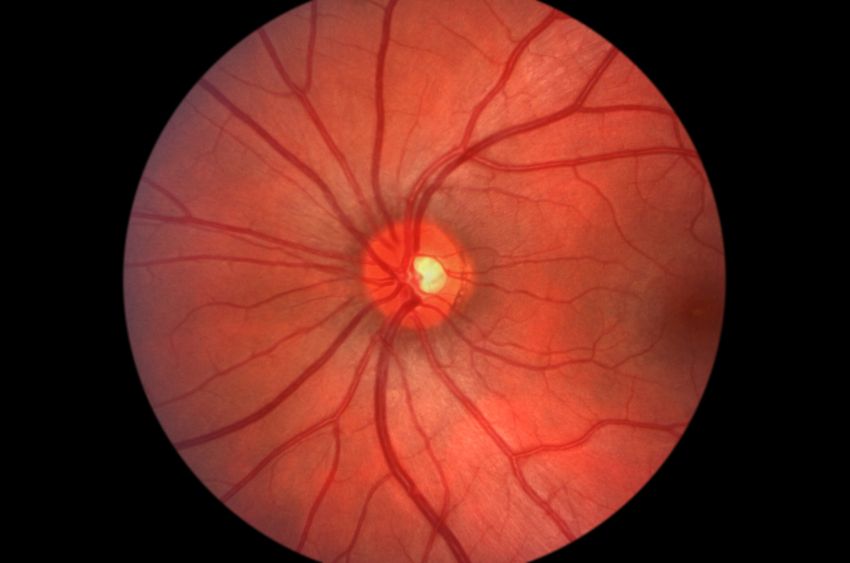
[01:01:25] So and they actually took before and after pictures of the back of the eye and those pictures are astounding you can see the lesions because you can actually see lesions and then you can see the repair. There's actually a healing response is happening that up until this study. Everybody thought was not possible.
[01:01:43] So this is a published peer-reviewed study and they refine the formula and this product is just it's you can get it. It's out there. But you know, you weren't going to hear this from your eye doctor. So let's talk about that. I want to take a quick commercial [01:02:00] break. Okay. Let me see where we are time-wise because I'm not functioning.
[01:02:03] Well, yeah, I want to take a quick commercial break when we come back. Let's talk about where people can get that. But also the role of the eye drop form antioxidant in can see and how they have a work synergistically stay tuned. We'll be right back. Welcome back. We're talking with Leslie Burke and Wise Choice medicine.
[01:02:27] This company has been a Pioneer in giving people real solutions for eye problems. I'm going to tell you that right now. Okay, so. What is this product and where can people get? They can get it from our website. And we also have you know, really great customer support. So if they have any questions and they want to ask a little more about if they can certainly call our toll-free number, but our website is Wise Choice medicine.com.
[01:02:52] And then the toll-free number is 881. Four nine three six and so, you [01:03:00] know, we offer a lot of we have a lot of supportive information, you know links to the studies and everything on our website so you can do your research if you're one of those that really wants to dig in I did want to add just one more thing Carl that what they found in the research was that the only time the retina heels and repairs itself.
[01:03:18] Is during that deep REM state of sleep at night and what happens at various points of our aging process differing based on your genetics is that you know our aging clock making sure that we're all going to die someday right starts dialing down. The Melatonin production and we don't drop into that deep State.
[01:03:41] Okay, and so that healing and repair that is so critical for the retina to restore itself is not happening. Okay, so that's where the Melatonin comes in if it's if it's you know, encouraging that deep state of sleep. That's when the retina can [01:04:00] recoup and recover and actually do what it wants to do.
[01:04:03] You know, it's just supporting the izone incredible ability to repair itself, which the eye is is very good at doing is one of the fastest repair mechanisms in our entire body the cell. So repair rate in the eye is faster than any other part of our body. So simply by doing that the i writes itself, you know, isn't that incredibly minutes?
[01:04:26] Yeah, and then can you use tansy accounts along with it, but it's actually actually recommended because what can see is doing of course better than anything we have now at least on the planet because you're applying these very powerful antioxidants topically to the. Is its detoxifying the eyes pulling the toxins out?
[01:04:50] It's you know, it's removing all the oxidation. It's actually reversing oxidation, which they also didn't think was possible until they got the before and [01:05:00] after pictures of. Now there's nothing that shows oxidation better than a cataract right is the perfect example of what oxidation looks like in the body and they have these incredible before and after pictures of you know, people who have advanced stages of cataract, you know applying these drops which are a natural antioxidant that only support the health of the eye absolutely no side effects whatsoever none and you can use it indefinitely but.
[01:05:32] It supports the health of the eye on every level but it also is reversing oxidation. So, you know within three months you have, you know, likely established very good levels of the critical ingredient, which is something called n-acetyl carnosine. That's quite a mouthful but really what it is is L carnosine your reestablishing optimal levels of elk harnessing an acetal is just the [01:06:00] preparation of it that is suitable for the eye.
[01:06:01] And makes it bioavailable to the eye tissue. Okay. So once you get those carnosine levels to an optimal level then you just allow time and the natural healing response kicks in and takes care of the problem. Isn't that interesting it really is and and this is why it helps also with glaucoma because the trabecular meshwork which is another big mouthful but it's the outflow pathway in the eye.
[01:06:28] It's actually a meshwork that works like a sieve. Okay, and the eye pressure releases through that mesh work. Well guess what causes that problems? It is a form of oxidation that is occurring there. And then the pressure of the I can't release the way way it should so when you start applying. This is why we in the beginning.
[01:06:48] We were just promoting it for Cataract and then all of a sudden we were getting all these reports from people that their eye pressures were becoming more man, right and we found out from dr. Babbit a if that this [01:07:00] was also noted in the clinical trials because many of the people who participated in the trials had multiple conditions, they didn't just have cataract right?
[01:07:08] They also had, you know, high high eye pressure problems or they had beginning macular degeneration. And they all showed signs of improvement. So what that tells us is that we need a lot more research with this targeting all these different conditions right now, but when you know what we're talking about when we talk about iron, we talk about oxidase super duper oxidation and when we talk about what can see does and what the.
[01:07:33] The tablet form supplement that you take along with it, which it's called armed, isn't it? No, what armed is the is the product that's actually from a different study and that is targeting specifically macular degeneration. So what you have is you have can see eye drops and then you have something called can see plus capsules which complement the can see eye drops and for more severe situations people with multiple conditions, for example, or [01:08:00] very Advanced cataract.
[01:08:02] It's really supports the action of can see it just ensures that you have all of the critical amino acids elevated in the eye tissue. And so also keeps that optimal balance. I guess you might say it's kind of like a balancing product, right? The can see carries an antioxidant called an acetyl carnosine as I stated before.
[01:08:23] It's a very powerful antioxidant and what the Russian doctor who was responsible for This research actually explained was that this is why he actually recommends reducing the dose of the drops after about six months because he says what people make the mistake in assuming always is that if a little bit is good more is better and he says no no, once you've got those levels established it takes very little of the product keep them there and and the concern he has is that some of the other beneficial.
[01:08:53] Amino acids could potentially get a little lazy and drop-off right over time. And so this is what the can see plus [01:09:00] capsule is responsible for it. It elevates other things such as glutathione for example, which is also a very critical amino acid to the eyes Okay L histidine which checks the L histamine response and people's eyes, especially those who have allergies for example, right, you know, so it's a very scientific formulation that they went on and did another clinical trial.
[01:09:22] Using that combination with more advanced cataracts, okay, and they got incredible results with cataracts that normally we might not have gotten as good of a result with just the can see drops. If you use the combination it really things started happening faster. So both of those studies are available in links to them on our website nice choice medicine.com.
[01:09:45] Hmm. Okay, and so in your experience with people who have used the protocol. Yeah for macular degeneration. How long does it take to start seeing progress results usually within 3 months, [01:10:00] really? Yeah, within three months. It doesn't take long. It's absolutely fascinating that this kind of thing can be out there.
[01:10:06] It's not something we're going to say. Okay take this for the rest of your life and it might slow things down. No and so it's just a little tiny tablet. And again, this is an organic form of melatonin. That is very very unique because it's actually bonded with selenium. Okay, so it's not like you've just got somebody throwing in you know, three.
[01:10:30] It's actually bonded and so and you just take this at night before bed an hour before sleep preferably but you know, and it just facilitates and people do report incredible, you know, sleep Improvement energy Improvement. Of course, you're supporting. The healing response in your entire body when you take this incredible anti-aging thing.
[01:10:53] I mean, dr. Pierre Paoli this expert the sender can expert has been writing about the benefits of melatonin for [01:11:00] 40 years. Okay and continues his research there. So, you know his he was just blown away by this study that he was involved. No. No, he actually you know, because they had never done such a targeted study like that, you know, and it was this.
[01:11:17] Doctor, you know bless his heart. He was just very he did that study where they found this melatonin deficiency. You know, I it's just incredible how these things come about sometimes and thank goodness they do and thank goodness. We live in the world. We live in where we can actually get this information.
[01:11:34] Even if our doctors don't have it, right. So yeah, you got to be you got to be an advocate for yourself yourself. You have to bring that things into your doctor and say look this is what I want to do. Yeah, a lot of people don't have the courage to do that. But that's the difference between having something done to you that you'll regret later on or my things people having that courage Karl and doing what they've done is what's changing medicine.
[01:11:59] I mean [01:12:00] how many doctors are doing what they call quote integrating their practices now, right? It's from people coming in and curing themselves or healings misspells and and showing the results and I mean you go to these health conventions now and there's ton of. They're they're you know, they're learning and they're getting better.
[01:12:19] I think, you know, if you compare even just 10 years ago, you know, I think you can have these conversations with your doctor now a lot more easy than you used to be able to and and I yes you have to be, you know armed and I think the question you always have to ask doctors when they poo poo the information just because they haven't been exposed to it, right?
[01:12:39] That's what they tend to do is just to say well, is there anything here that would harm me? Okay, that's a very important question because if they say well no, but I think you're wasting your money or something. Well, then you can go ahead and you know what there's nothing wrong with experimenting a little bit on yourself.
[01:12:57] Especially it hurt [01:13:00] you. What do you got to lose? That's that maybe your cataract or your macular degeneration? Yeah, exactly. Exactly. So so back to your question for people that you know, these products are all very synergistic together and when people have, you know, very Advanced situations quite often people with macular degeneration also have cataract they are now not a good candidate for cataract surgery.
[01:13:24] Okay, because of their macular degeneration. Okay, right. So so the products are very synergistic. And we have people with more severe situations taking all three of them together. Of course, if you're if you're you know, they're not expensive products. I if I can just hear the audience now thinking oh my gosh, how much would have to spend these are ridiculously inexpensive products?
[01:13:47] And so for example, the macular degeneration product is I think it's 4349 and it is you know, that's a two-month Supply. Okay, so [01:14:00] you're looking at you know, $20 a month to help your vision. I mean well and I want to I want to say something so I don't I don't have macular degeneration and I don't have cataracts but I use can't see eye drops and I'm going to start taking the pills to I got news for you.
[01:14:17] Yeah, I use them because I just don't want to ever have that stuff happen. And who knows? With my going down this Rabbit Hole of developing iron overload in my body, which is causing all sorts of problems, but my eyes seem to be functioning. Well, maybe that's because of the things I've been doing all along is protecting them.
[01:14:36] I can take that for granted. Well, I'm with you Carl. I've been taking can see preventively now for almost 15 years. I just do one drop a day. That's all I do. And now the medicinal dose if you have cataract is higher, it's four drops daily. Okay, so you want you to in the morning time to in the evening time, but again, you only do that for the first six months.
[01:14:57] And you know and then you drop down to your [01:15:00] maintenance dosing which is either 1 or 2 drops a day. A lot of people like to use one in the morning one in the evening just because it makes their eyes feel so good. Okay, but and then you can get down to as little as one drop a day. Yeah. I want you start to see the improvements and you know, you're just, you know, you're holding now, if you if you go through some kind of trauma, you have to have heart surgery saying you're under anesthesia those kinds of things really deplete the eyes of some of these Amino.
[01:15:26] Acids that are so important. So after a trauma, you might want to go back to a higher dosing like a what we call a loading dose and you know for a month or two and then go back down to your maintenance dose it again. It's a very simple and so and you're just supporting the health of your eyes on every level and you know as we know, you know, one of the number one fears that people have in the world is losing their Vision, right?
[01:15:51] They nothing's going to make you become a dependent person quick. That you can't drive you can't you know? Oh you [01:16:00] listen, you can't do anything without your eyes. It's yeah, you know, you can't do anything. Yeah, and you know and and you know, there there is cataracts that people are saying I can hear them thinking, you know, well why not just go get the surgery and I mean everybody goes and gets the surgery.
[01:16:15] Yeah. Oh that's horrible because they pay they put a lens in your eye that doesn't Focus its par focalized and it a lot of times you end up with something called prism and balance because they can't go back in and readjust it once it's in there and sometimes the floor looks round. And you miss step you're afraid to step down stairs because the stairs look distorted or or you you still have to wear glasses to read well, and and what what isn't talked about a lot is that the percentage of people that end up with chronic dry eye problem afterwards.
[01:16:47] From that trauma is is horrific and and boy if you haven't suffered from dry, I just imagine having sand in your eyes and you can you know, the tears don't produce as well the eyes do not [01:17:00] like trauma. This is one thing we know about the eyes. This is why if you get in a car wreck and you hit your head quite often, you can develop aggressive crack cataract afterwards, right?
[01:17:08] It's quite it's actually called traumatic cataract foxes Fox is get it from getting punched in the eye too many times. That's right. That's right. That's one thing and this is why quite often, you know, people will just and they develop secondary cataract after having the cataract surgery, which is you know, The subcapsular type it's far behind the new lens.
[01:17:29] So it's not without risk and you can be guaranteed that the statistics they give you about the success rate I to I just wouldn't rely on those. Why would you want to have why would you want to have surgery on your eye if there's a chance that you don't need it, but I want to talk about one other thing when we come back what one thing I want to cover.
[01:17:49] So if you're doing things that are not good for you. And you start taking these products and you go man. They're not working. You know, you can't fix a problem until [01:18:00] you've removed the insult. Okay. I want to talk about that reality and when we come back stay tuned welcome back. Excuse me. But I've had to work so all so hard not to call phone talk.
[01:18:18] My throat is so dry. And if I drink water, it feels like it's dryer. That's okay. It's almost over. Hey anyway, anyway, you know, I want to say a little bit about magic. Nothing is Magic like growth hormone injections aren't magic. There's a lot of things we talked about on this show that have real promising beneficial effects on aging and health.
[01:18:46] But they do not work. If you're still living a crappy lifestyle, it's important to understand that because if you have a house that's on fire. That's not the time to [01:19:00] go in and paint the walls, right you wait till the fire is out and you repair the walls and you get the stud wall back up and you get two surfaces and then you paint so if you know that you're doing things like.
[01:19:13] You know, I paid my it's like the sinking boat analogy you're taking a cup and pulling the water out of the boat and you're putting so much bad stuff in or you know, your lifestyle being that that that is the cup not helping. Yes, the cup is helping but that your debt your type 2 diabetes and check folks because that leads to a lot of these issues.
[01:19:37] If you're creeping up there if your blood sugar is creeping up there in the 90s. It's getting close. It's time to hit. Five 110 doctor says well, you're good until 125. That's not true. That's not true. Yeah, your body is becoming an oxidizing an oxidation production machine after yeah, you know, basically what's happening and that and that's interesting that you brought that up call because I just talked [01:20:00] to a guy the other day who you know, he called me back.
[01:20:02] I've been using the product and you know, I saw a little Improvement the beginning or know what I was kind of trying to figure out why is he not seen Improvement and I kind of started going down the lifestyle things trying to figure this out and sure enough he was. Full-blown diabetic and had not been you know, he was shaming himself or not, you know, you know following his diet is his blood sugar's were crazy wonked, you know how to handle and so, you know, he became reenergized to go.
[01:20:32] Tackle that again because he was more concerned about his vision that he was his own health. Okay, and that interesting and so yeah, this is why you always hear about diabetics having cataracts. How do you fly problems again? The eyes are like the canary in the cave. If you will their the the coal mine, they are very sensitive to these imbalances in the body and boy diabetes diabetic conditions.
[01:20:58] Just wreak havoc on [01:21:00] your. You can get all manner of of eye conditions if your blood sugars are off and unchecked so and so much of that can be corrected with diet, you know, just not even any medication just diet, you know, but it's a tough lifestyle change for people. It's really tough. You know, we've just our world is just people are raised on a certain diet and it's just the hardest thing in the world for them to change so, you know any kind of inflammatory condition.
[01:21:29] Contributes to that unchecked. So if you have you know, any kind of you know, if you have a rheumatoid arthritis people with rheumatoid arthritis tend to have a lot more degenerative eye condition problems. So, you know, you have to your right Carl you have to look at the whole picture help yourself, you know help your eyes, you know, if you're going to take can see and eat by candy bars on a day.
[01:21:52] You're not going to expect to see the kind of results that somebody who's, you know, drinking tons of water and you know, taking their antioxidants and [01:22:00] eating their greens, you know, those are the individuals who, you know, see the early improvements, right? Yes, you have to take care of yourself.
[01:22:08] This is not nothing not hormone replacement therapy not peptides not Advance drugs that are being used right now. In removing senescent cells from the body. None of those things will work if the collateral damage you're doing on a day-in and day-out basis, exceeds any of the potential recuperative effects that these things can provide.
[01:22:32] Yeah. Yeah. It's just so important. It's so important to you know, we have the information out there. You know, it's more accessible than it's ever been on how to help ourselves. It's overwhelming. I you know, I do acknowledge that it is overwhelming but you have to start somewhere and and I think what happens is as a person does their research and begins diving in you do develop discernment [01:23:00] your ability to discern what's you know good and what isn't gets better all the time.
[01:23:07] And I think you know with natural things, you know, don't be too afraid to try a few things on yourself. You know, I think I think people I think that drumbeat of check with your doctor first on everything has paralyzed people from self-empowerment. You know, certainly I wouldn't advise anybody to you know, just go off their heart medication and start taking vitamin C, you know like that, but but you know these these things do work these natural remedies do work and I you know, I don't know when anecdotal medicine became such a bad word.
[01:23:43] You know and after results became such about you know, the old you know, Aunt Harriet who you know told you that drinking lemon water in the morning, you know would help cleanse your body, you know, I remember my grandmother doing that. She would squeeze a full lemon Into Water 2 cups of water how she did hot [01:24:00] water.
[01:24:00] She'd sit there and drink that water down every morning and you know, it helps her. Oh she was in Stellar hell she lived to be in her 90s. And yeah, she just was beautiful up and you know, she drank a lot of water. You know just she did a lot of natural things. You know that that I think we're the norm back in the old days, you know, right that we've really gotten away from now, but I did want to touch on glaucoma a little bit as well Carl that.
[01:24:31] You know what I mentioned earlier about, you know, we started getting all these reports of people, you know, having improvements in their glaucoma condition and that this is where the combination treatment of the can see plus capsules not the macula generation product so much, but the can see Plus.
[01:24:50] Along with can't see because there's been some studies done on and acetylcysteine. Okay and vitamin E that are also extremely [01:25:00] powerful at reversing a lot of the components that lead to go glaucoma and I'll just tell you a quick story. I had a guy that contacted me after he'd been using can see for a few weeks and he.
[01:25:12] He called he'd ordered online and he said you know, I've had glaucoma all my life and is it okay if I take this I'm take he was taking it for his cataracts. Okay was taking it for his cataracts and he says, you know, I I want just want to make sure it's okay that I use this for my glaucoma. And I said well, yeah it's and dr.
[01:25:32] Popov actually advises and says that it's helpful and he says well, let me tell you what's happened. He says I've had early onset glaucoma. I was in my 20s. And I had you know, I've had several operations. I'm on three medications and my eye pressures are running, you know, 21 and 23 and 21 in the left eye 23 and the right eye very high, you know, especially if you're you know a [01:26:00] person with serious glaucoma condition, he was in his 70s when he called me and he he said, you know what my eye pressures are this.
[01:26:08] He said 14 in the left eye and 15 in the right eye. And he says my question is this are they going to go too low? He was worried and this is when I had first started working with the product and are and I made me nervous too. I shot an email over to dr. Robert Evans. And listen, this is what's going on.
[01:26:27] Is this guy? Okay. I want to make sure everything's okay. And dr. Babbit JF shot an email back and said have him continue the protocol as he is the eyes will find the optimal level of pressure. Now this guy I won't say his name. It's a real funny name, but I won't say it. But I always remember to say it's a very unusual name and I always see his order and he orders.
[01:26:49] He never takes advantage of the quantity discounts that we offer anything. He orders one box a month one box and I still see his orders coming that was you know over ten years ago [01:27:00] and it's still working for him. It's still working for him. Yeah, you're working for me all these years later. I mean the stories of people with glaucoma though have just been phenomenal, you know just phenomenal so and and also protects the optic nerve.
[01:27:16] So that is one of the real concerns for people to glaucoma is when the pressures get a little high that that optic nerve. So it provides this additional support to the optic nerve. So just you know, Very simple, you know how the drops feel great. It's really effortless things to do and you can use other eye drops.
[01:27:34] I want to say it as you can use other eye drops in in between your can see drop. So if you're a person who has allergy eyes and you need to use a lubricant drop a lot during the day certainly don't use can see you no more than the recommended amount. Not that it would harm you in any way but it's a little more expensive than your typical, you know, refresh eye drops that you can get down.
[01:27:56] Drugstore so, you know certainly use those in between. And in [01:28:00] fact, one of the more interesting studies that I saw as a doctor Lac County as his name and he did a study on dry eye syndrome and he attributed a huge percentage of degenerative conditions to uncheck dry eye which is you know, also a form of chronic inflammation right in the eye and irritation.
[01:28:16] Is it in the Quran Cole where the tears come out of or well, it's that and the eyeball itself can dry up. Okay. From an internal place. So you know and what happens is when you have that combination going on the pH of the the eye goes completely acidic. Okay, the minute the eyes are dry. Just know that your pH and your eyes is now acidic and what happens to the eyes when that happens is all the healing and repair mechanisms in the I come to a screeching halt.
[01:28:49] Okay, so so keeping the eyes lubricated if you have you know dry eye problem is one of the better preventive things you can do using an [01:29:00] eyewash, you know, there is just saline solution in a little like up the I membranes are you know, just like the nasal membranes are teeming with bacteria. Well when your eyes are a little bit dry all the bacterial load goes up by.
[01:29:15] Okay. So the the immune system of the eye is. Busy fighting off the bacterial load, but it's not healing and repairing right? So as we age this is just a given this is happening. So one of the better anti-aging things a person can do is use an eye wash a few times a week and use a good preservative free.
[01:29:35] Make sure it's preserved never use something like Visine or anything like that that says get the red out. Those are horrible, but use, you know, a preservative free. I lubricant and you can find those at your drugstore. Okay, and use that in between, you know along with and then if you're doing that protocol and using you know can't see eye drops and the can see plus [01:30:00] capsules my goodness your eyes are going to thank you and they're going to feel marvelous if you have never done an eye wash before you are really missing something you think it might feel irritating exact opposite.
[01:30:11] It is the most soothing relaxing thing you can do before bed. Once you start you will continue to do it it just relaxes your whole face something about getting that bacterial load a little and check. It's like, you know, it's like swimming in the ocean with salt water. Okay. It's that and and it just feels lovely and supports the health of your eyes tremendously.
[01:30:34] So those are all some things that you know one can do to support the most important part of your health, which is you know, keeping your eyes healthy and strong. My father used to say you only get one pair and it's true. You can't live without your eyes. You can't you live without a foot you can live without an arm.
[01:30:52] I mean you can't do anything without eyes. You can't go anywhere. You can't do anything. Let me tell you the people that contact us that are the most terrified are [01:31:00] people who have had cataract surgery in one eye and it didn't go well and now they've been diagnosed with cataract in the other I can you imagine a horrible horrible position.
[01:31:11] That is yeah. That's that's not a good position to be in so. Yeah, this is something you can share with your you know, family and friends and and really, you know, give them an option at least and for those who have had cataract surgery and are now developing a secondary cataract save that on.
[01:31:33] Yeah, they they can use can see to check that secondary. It works equally well on the sub capsular type of cataract so so that you don't have to, you know, create another trauma which could of course lead to other. You know serious things so, you know, I thank goodness. We do have cataract surgery.
[01:31:52] I just think it's a little overused. You know, I think it should be a very last option not a first right [01:32:00] and you know, give you give your wonderful body a chance to do what it knows how to do heal and repair itself because it will reward you if you supported just a little bit just a little bit. How you doing Carl?
[01:32:13] I think you're not joking. I don't know. I just literally as you attending I had a cough. Yeah, kill the mic. Yeah. Yeah. Yeah, the website is Wise Choice. Medicine.com and it speaks a lot Wise Choice. It is a wise choice It's A wise choice to preserve the quality of your eyes, and we've been very fortunate to work with, you know, we only carry those three products.
[01:32:40] We don't carry 500 products. That's it. Just those three because we've found three that, you know, I had to originally and then I found one more that I felt was really worth it and we spend as you can tell I'm a talker and we spent a lot of time with people on the phone and. People are very afraid.
[01:32:58] You know, they're very afraid one [01:33:00] day. They're looking for something where an answer and they're not sure if they're making the right decision and and we spent a lot of time with our with our customers on the phone. We offer incredible support and you know, this is kind of what my mission has been, you know, I has been this and and I guess when you know how they always say, you know, the success is when you find an unmet need.
[01:33:23] And and this definitely was that and it much more so than I had ever anticipated when I first found out about this information, but I just I guess but I would say to people is you know, kind of kind of don't be afraid, you know, even if it's if it's not this there are options out there don't be afraid to do your own research and you know your body Julie usually will reward you if you if you support it well enough.
[01:33:53] You go your eyes are good be good to them. That's right. Wise Choice. Madison.com. Check it out Leslie. [01:34:00] Thanks for being here today. You're welcome. Thanks for being here for 13 years. Oh you bet you bet, but my hands been very very mutually beneficial for us. We've come a long way. Haven't we? We certainly have we certainly have from that beginning day?
[01:34:14] Yeah. Thank you. Thank you. All right Carl. And we're going to say goodbye. Tomorrow is Friday. I'm off the air tomorrow. We're not doing Casual Friday anymore. Somebody sent me an email saying why are you only doing like three or four shows a week? I'm like what what why am I only doing three or four shows?
[01:34:33] What he actually said, are you going out of business used to do four or five shows a week now you just doing three or four. I'm like are you kidding me? Right? I produce more podcast content than any other. Arson out there in the category. Give me a break. I can take a day off right I can take Friday off.
[01:34:51] I will see you Monday. Thanks for listening today.
{/spoiler}