 Dr. Elizabeth Yurth, MD
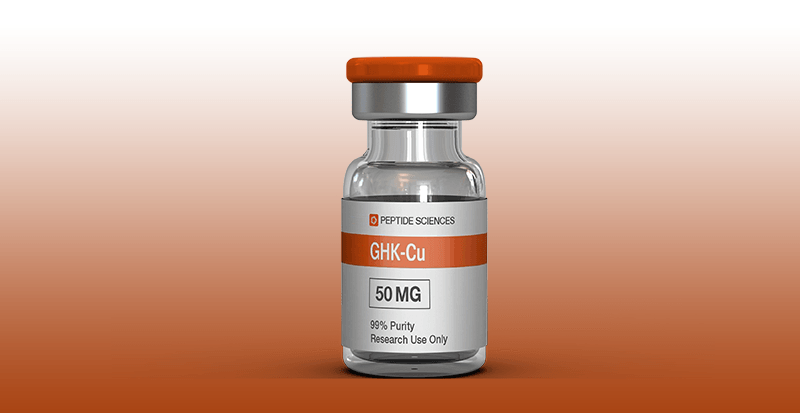
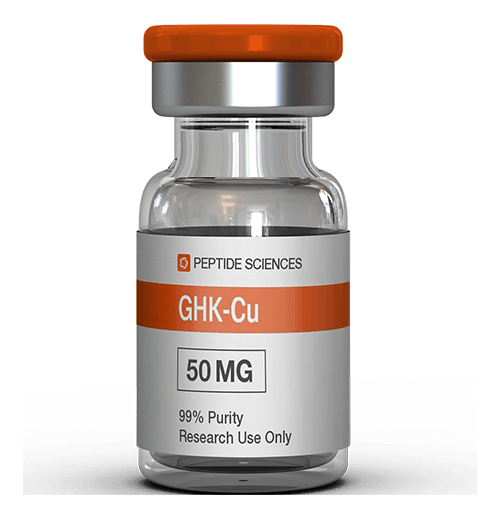
GHK-Cu is a naturally occurring peptide first isolated from human blood plasma. It has since been identified in urine and saliva as well. Research into GHK-Cu has found the sport peptide to have substantial benefits in wound healing and immune function. It has anti-aging properties and has been found to suppress free-radical damage, increase protein synthesis, fight bacteria, and increase the health of skin and skin fibroblasts. It’s also under the 400 Dalton molecular weight threshold which makes it suitable for topical and transdermal delivery.
{mp3}https://dts.podtrac.com/redirect.mp3/superhumanradio.net/components/com_podcast/media/mp3s/SHR_Show_2518.mp3{title}SHR_Show_2518{end-mp3}
SHR # 2518 :: The Pep Talk: GHK-cu
Show Transcript SHR # 2518 :: The Pep Talk: GHK-cu
Show Notes:
[3:30] What is GHK-Cu?
- A copper peptide that becomes more scarce as you age.
[8:40] Uses of GHK-Cu in the skin.
- Restores at a stem-cell level.
- Tightens collagen.
- Protects from free radicals.
[11:24] Uses to regrow hair.
- Stimulates hair growth and potentially darkens the pigments in hair.
[15:20] Systemic effects from injection.
- When injecting, the copper in the peptide may not even be necessary.
[19:50] Cognitive benefits.
- Neuronal sprouting.
[31:50] Protective from chemotherapy.
- It also protects from high iron levels.
- It is also angiogenic.
[37:37 Could GHK-Cu be used to treat hemochromatosis?
[42:20] Cardiac benefits.
- Lowers fibrinogens.
[51:15] Intranasal possibilities?
[56:30] Acute blood pressure spike from intranasal melanotan-2?
[59:10] What about bolus dosing of GHK-Cu?
- 20 mg may cause a drop in blood pressure.
[1:01:27] How long for the genetic changes to take place?
[1:03:50] Daily dosing?
- 1-2 mg/day up to 4 mg/day.
[1:14:00] The legitimacy of peptide companies.