Dr. Daniel Ham, PhD
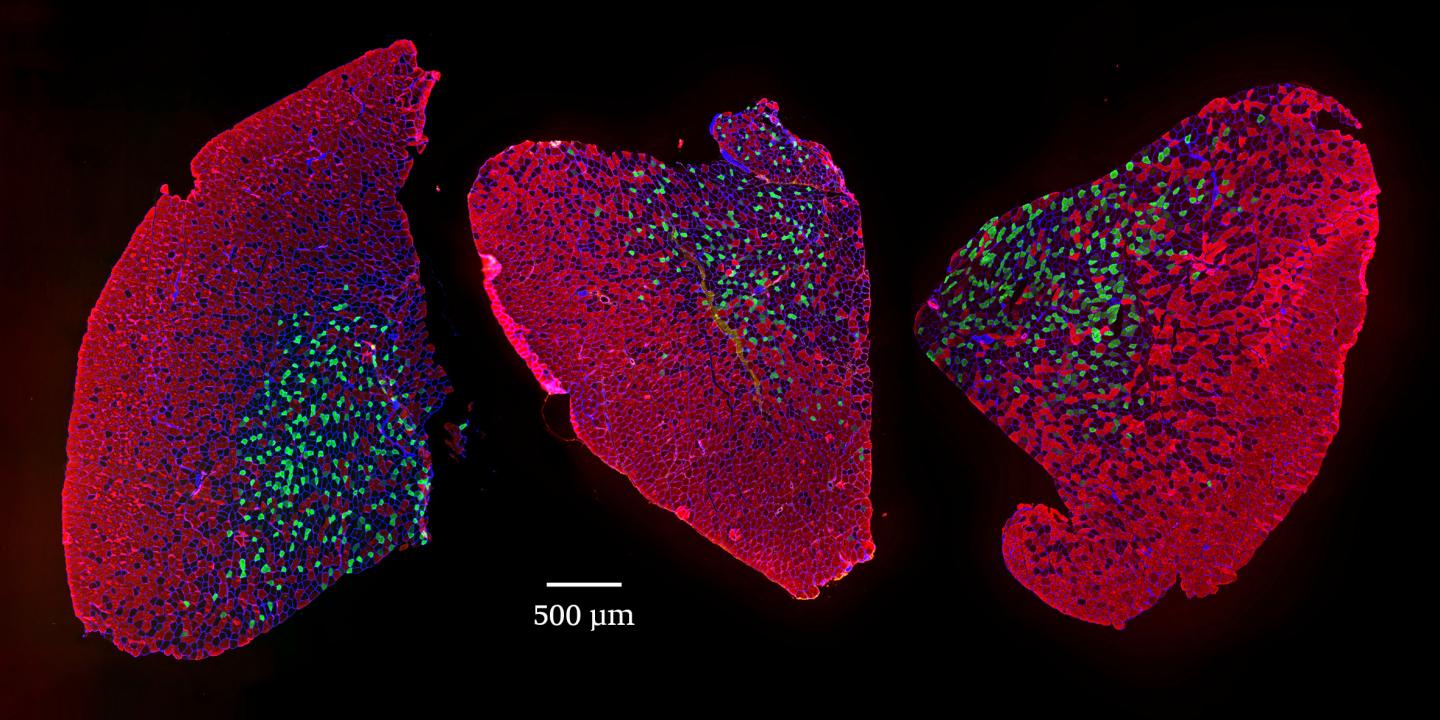
With life expectancy increasing, age-related diseases are also on the rise, including sarcopenia, the loss of muscle mass due to aging. Researchers from the University of Basel's Biozentrum have demonstrated that a well-known drug can delay the progression of age-related muscle weakness. Already in our best years, our muscles begin to shrink and their strength dwindles. Unfortunately, this is a natural part of aging. For some people, the decline in muscle mass and function is excessive. This condition, called sarcopenia, affects every second or third person over 80, reducing mobility, autonomy and quality of life. Rapamycin helps to reduce senescent cell accumulation and extend lifespan by modulating mTORc1 activity and has been thought to also reduce muscle mass and protein synthesis. But is this true? Database web app discussed during the interview can be found here https://sarcoatlas.scicore.unibas.ch/
mTORC1 signaling is not essential for the maintenance of muscle mass and function in adult sedentary mice https://pubmed.ncbi.nlm.nih.gov/31697050/
Show Notes:
[ 3:57] What inspired the research on rapamycin and its inhibition of sarcopenia?
- The beliefs that mtor activation inhibits sarcopenia and vice-versa.
[7:30] Study findings.
- Rapamycin’s suppression of mtor did not cause loss of muscle mass in mice. It also did not help them to gain mass.
- The rodents were sedentary.
[13:30] Age groups of the mice.
- Correlates to 50-60 years of age in humans.
[14:30] The various forms of mtor and how rapamycin affects them.
- Mtor-c1: is partially inhibited by rapamycin.
- Mtor-c2
[17:02] Mtor-c1 may actually contribute to sarcopenia when it is active for too long.
[21:24] Effect of rapamycin on young to old.
- 2A and 2X fibers did not lose as much size when aging occurred.
- There was more of a conversion to type IIA fibers.
[24:00] Reduction of senescent cells and innervation.
- Aging leads to wholescale inflammation, which leads to a lowering of the protein synthetic response from training.
[36:10] Blood flow was not measured in this study.
[38:35] would the same effects on innervation still be observed in the young?
- Young people probably don’t need rapamycin because they have lower levels of senescent cells.
[55:07] Web app for gene expression.
- seicore
[57:57] What should lay people take from this research?
[1:05:42] Metformin- whom does it benefit?
- Only those that are type II diabetic already.
[1:07:00] Protein pulsing is discussed.
[1:14:16] Live streams will no longer be on facebook. They will be on youtube.
[1:19:42] Carl’s blog on the relationship between the sun and covid-19.