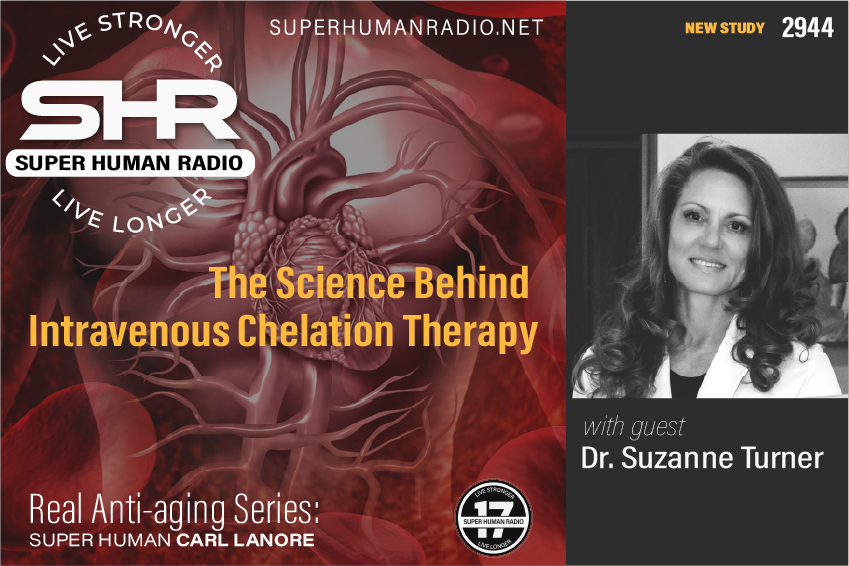
Real Anti-aging Series: The Science Behind Intravenous Chelation Therapy
with Guest Dr. Suzanne Turner, MD
Reversing aging, I mean really reversing aging, requires a multifaceted approach that identifies in addresses numerous systems in the body. Don’t be fooled by people who claim just taking this peptide, or supplement or ice baths, or any of the other popular things out there is going to work if your goal is to truly reverse aging. I have assembled interviews that will become part of a series about real anti-aging and here is my second installment. You can’t reverse any of the problems in your body until you get the junk out of your body. And I’m not talking about BS detox diet and drinks. I’m talking about legitimate scientific approaches to removing heavy metals and calcification and other cations from tissue that turns your body into stone. That lead to widespread nerve and vascular damage. On today’s episode, we do a deep dive on intravenous chelation therapy the science behind it, and what to expect from it.
Brought to you by Vine Medical - VineMedical.com
CARL RECOMMENDS: superhumanradio.net/carl-recommends
View and download all shows at https://superhumanradio.net
Visit us on Instagram: @superhumanradio
Support SHR - https://superhumanradio.net/make-a-donation
THANK YOU
Play
Show Notes:
Real Anti-aging Series: The Science Behind Intravenous Chelation Therapy
[00:07:25] Dr Suzanne airs her view on why most physicians are not eager to further their education and keep up to date with new ways of doing things.
[00:10:35] They discuss how long chelation therapy has been around for.
[00:11:35] The discussion turns to intravenous chelation therapy and what needs to be done before therapy can start or be recommended.
[00:15:35] Dr Suzanne responds to a question of Carl’s on electrolyte supplementation as well as iron supplementation
[00:18:58] Dr Suzanne explains the IV chelation process and describes where the minerals and metals are excreted.
[00:21:05] The chelator is a kind of suicide molecule in that when it binds up these metals it makes them unable to do the damage that free floating mercury would do in your blood versus free float mercury that is bound to the EDTA (Ethylenediaminetetraacetic acid), DR Suzanne responds to this statement. After which Carl talks about an experience he had after doing chelation.
[00:24:25] The conversation addresses studies that claim intravenous collation therapy has the ability to remove arteriosclerotic plaque art. Dr Suzanne expounds in detail.
[00:27:15] Dr Suzanne elaborates on the general outcomes of patients after IV chelation therapy.
[00:30:00] A conversation on selenium and magnesium as chelators, follows.
[00:30:32] Pulling tissue from the calves in a biopsy approach to assess the tissue, is the next topic of discussion and Carl shares a personal issue.
[00:39:10] Does EDTA make it into the brain, and if so, can it chelate what's in the brain? Dr Suzanne responds and answers a question about DMSA (Dimercaptosuccinic acid) as chelator.
[00:43:05] Dr Suzanne explains how many sessions, on average, someone has to go for IV chelation before they start to feel a difference.
[00:44:30] A remarkable description of “brain tap” follows.
[00:46:45] Some discussion on what patients feel during IV chelation therapy, follows.
[00:47:35] What role do metalloids like Mercury play in gut dysfunction? Dr Suzanne replies and Carl weighs in.
[00:56:20] Carl shares some information on EDTA suppositories and that it could assist in healing prostatitis. Dr Suzanne shares how they treat patients with fungal and bacterial infections with ozone auto hemolytic therapy and UV light.
[00:59:09] The discussion circles back to how one would know that the metals have been successfully chelated and extracted.
[01:00:00] Dr Suzanne explains what type of patient should seek out chelation therapy and expounds on the disease states that could be caused by high metalloids.
[01:01:00] Can you have low mercury levels in blood, but yet have high mercury levels in tissue. Dr Suzanne responds and shares some outcomes of her patients after therapy.
----------
Vine Medical
Stay in touch with us! Get show highlights, tips, new research & offers in your inbox.
Latest Episodes

SHR #3033: The Truth about Glyphosate and Disease
May 02, 2026
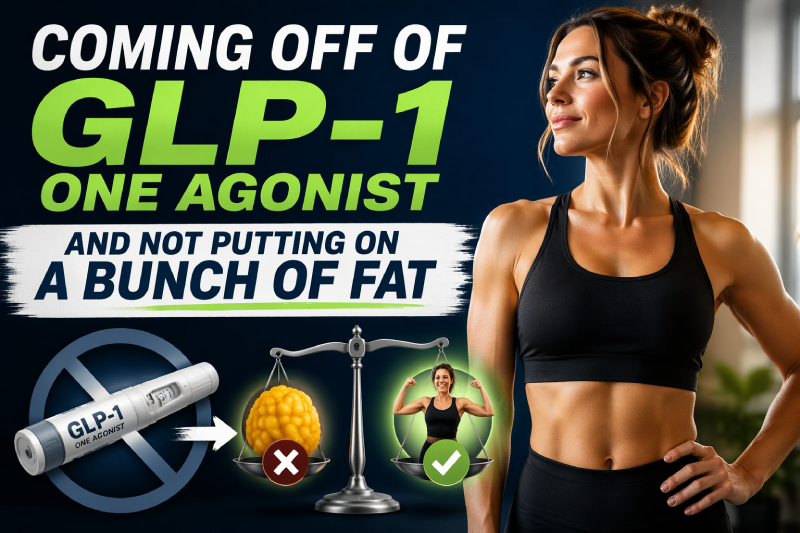
SHR #3032: Coming off of GLP one agonist and not putting on a bunch of fat
Apr 14, 2026
SHR #3025: Should You Fear the Fairway?
Feb 21, 2026
SHR #3031: The Sepsis Show
Feb 16, 2026
SHR #3030: Cheating Death
Feb 11, 2026
SHR #3029: The Ultimate Anabolic Steroid Research Guide
Oct 31, 2025
SHR #3028: Slow Aging. Prevent Disease.
Oct 23, 2025

SHR #3026: The Magic of Proper Stress Management
Dec 24, 2023
SHR #3023: The Prime Act - Getting the USDA Out From Your Farmers Way
Sep 19, 2023
SHR #3022: NAD, NMN and NR; Is There Something Safer?
Sep 18, 2023

SHR #3021: The Legend Of Christian Boeving
Sep 17, 2023
SHR #3020: The Sleep Talk
Sep 14, 2023
Latest Episodes
SHR #3033: The Truth about Glyphosate and Disease
May 02, 2026
SHR #3032: Coming off of GLP one agonist and not putting on a bunch of fat
Apr 14, 2026
SHR #3025: Should You Fear the Fairway?
Feb 21, 2026
SHR #3031: The Sepsis Show
Feb 16, 2026
SHR #3030: Cheating Death
Feb 11, 2026
SHR #3029: The Ultimate Anabolic Steroid Research Guide
Oct 31, 2025
SHR #3028: Slow Aging. Prevent Disease.
Oct 23, 2025
SHR #3026: The Magic of Proper Stress Management
Dec 24, 2023
SHR #3023: The Prime Act - Getting the USDA Out From Your Farmers Way
Sep 19, 2023
SHR #3022: NAD, NMN and NR; Is There Something Safer?
Sep 18, 2023
SHR #3021: The Legend Of Christian Boeving
Sep 17, 2023
SHR #3020: The Sleep Talk
Sep 14, 2023