Nicholas Michalak
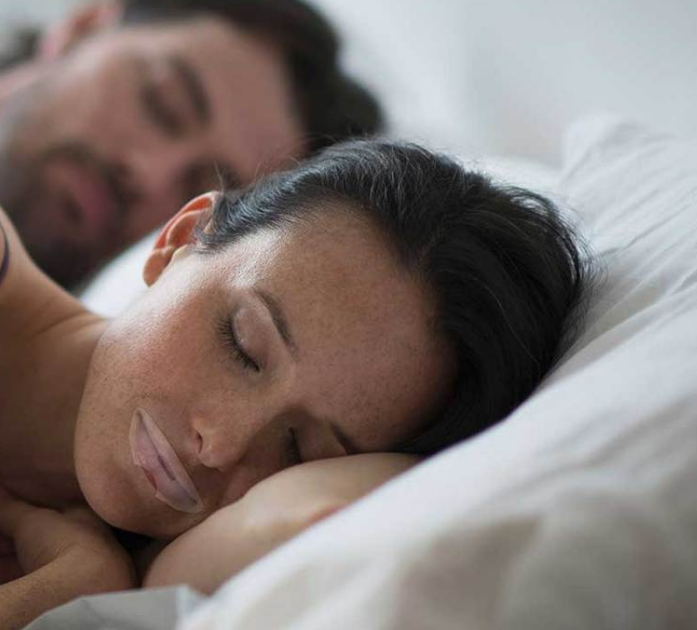
It was the most absurd thing ever suggested to me. Seal my mouth at bedtime. Really!? But then I tried it. And I'll never sleep without sealing my mouth ever again. No matter how well or poorly you sleep this can improve it.
{mp3}https://superhumanradio.net/components/com_podcast/media/mp3s/SHR_Show_2254.mp3{title}SHR_Show_2254{end-mp3}
{spoiler spoilerID,Click to read Show Transcript,Click me to close}
[00:00:00] Welcome back to another episode of superhuman radio. We've been doing some really important shows this week for General Health and well-being, right? We do lots of shows about things that will make you stronger and faster and so on but living longer and healthspan are something that not mutually exclusive all Youmans [00:01:00] want to live longer and be healthier and today's subject is going to speak to that
[00:01:05] Before we get started. I have to thank all American pharmaceutical and EFX sports for their title sponsorship of this show and you can now get six of their top selling products absolutely free by going to superhuman radio dotnet and clicking EFX Sports Banner ad and putting in your name and address
[00:01:22] You will pay five dollars and change for shipping, but that's truly the shipping cost to get a box of goodies to you that will wow you and that's because dr. Jeff Golini over at the All American Pharmaceutical. Called believes that no one should buy anything until they've tried it first and quite frankly today's guests feels the same way by the way, and that's why he puts his money where his mouth is
[00:01:46] so there is certain things every now and then that have a profound effect on me an undeniable effect. This is not placebo effect. This is like real stuff effect, and when I was out at Quest last [00:02:00] which was early in this year. One of the things we learned about we was buteyko. I've done shows about buteyko also, but more importantly we learned about a phenomenon of sealing your mouth at night when you sleep I learned this from Ron Penna
[00:02:16] I don't think that I am a. I don't think I'm an early adopter of this I think is a lot of people out there that have known about this a lot longer than I have but it's a very small segment of the people and quite frankly the tip of the Spear of any modern breakthroughs always looks and sounds weird to the masses like what you're doing what you're using peptides
[00:02:41] Oh my god, really you're training heavy resistance training to lose body fat really the tip of the spear always sounds. Counter to Modern and current wisdom. That's when you have to listen harder, especially when people that you respect to going. This is the real thing [00:03:00] and that's going to be the topic today with Nicholas mahalik
[00:03:03] How you doing Nicholas? I'm doing really well Carl. Thanks for that introduction. That was that was really great. Well, it's true. I mean so when Ron Penna first told me about sealing your mouth at sleep. I said Ron I already do that he goes, how do you do it? I says I sleep with a chin strap. To keep my mouth from opening at night and causing me to snore and he said have you ever recorded yourself to see if you're snoring and I said, yeah, I do snore once in awhile because I have an app that records my sleep and my movements and how deep asleep in the cycles and he goes through you still snoring
[00:03:42] From time to time even with the chin strap on I said, yeah, he goes just humor me. He says to eat just seal your mouth one night. And I couldn't do it. I didn't do it for probably a good month. I thought about it for a month. I thought to myself this doesn't sound smart. Like what if [00:04:00] my nose gets stuffed up in the middle of the night
[00:04:01] Will I smother the reality is if your nose gets tough the middle are you going to wake up and unseal your mouth or your mouth is going to open on its own because no adhesive of any type is going to keep your jaw, which has the crushing power of hundreds of pounds from opening your mouth. So this whole fear of smothering in your sleep is unfounded
[00:04:22] It's silly and once I thought about that, The first time I sealed my mouth before going to sleep the next morning, I woke up I and so I know when I sleep good Nicholas because I stretch I stretch in the morning. Oh God that feels so good to stretch and I did it that morning and I thought huh? And so I reached over and grabbed my phone
[00:04:46] I keep it on the airplane mode. It's not radiating all night long. I looked at my. Sleep cycle app and I got into deeper sleep more frequently all night long. You know, I have these Peaks and valleys like most people do when they cycle [00:05:00] in and out of healthy sleep exactly, but the valleys were deeper
[00:05:04] They will all the way down in deep Sleep as far as they could go before bottoming out on the app, and I thought wow that's interesting, but I don't know could have been a fluke, but then after the next two weeks. I consistently reach deeper levels of sleep when I was hitting deep sleep over and over again and it got to the point now
[00:05:27] We have you look at my sleep app. Assuming I didn't do something stupid before going to bed. I spend most of my time in deep recuperative sleep now and I attributed all to sealing my mouth I kid you not I had a hard time talking about this openly Because unless you with the right people. They're going to look at you like and do you also wear a tinfoil hat to keep the government from hearing your thoughts tonight
[00:05:54] You know what? I mean? Right? Trust me. I can I can relate. So [00:06:00] before we get into all the benefits and all the science behind it and the fact that ancient civilizations knew about a to talk about where so your company is called somnath Fix. That's right Tom to fix and as the word implies it fixes your sleep, but it does much more than that
[00:06:22] And those of you listening to the show. You can go to Psalm to fix.com /sh our and you can try something to fix for free and see for yourself because Nicholas believes like, dr. Jeff golini. Nobody should spend a penny until they've tried it and know that they like. So take the take the brakes off and take the challenge right now
[00:06:43] How did Simon fix come about? Yes, so we came to learning about sealing the mouth through a slightly different path. So my father is a practicing physician in Washington DC. He specializes in Internal Medicine about 10 years [00:07:00] ago. He was diagnosed with obstructive sleep. And he immediately was prescribed what's considered the gold standard treatment, which is a CPAP machine and he was unable to use it after a couple of weeks
[00:07:13] Like most people who are prescribed CPAP. He had completely abandoned therapy and you know, it's obviously not a positive from from an insurance reimbursement standpoint because these are not cheap products and even believe it or not. Successful use of a CPAP machine is considered for hours of use per night because the stats are just so bad that most people even people that are using it successfully are only using it for about half the night before they take it off and let's talk about that just for a second
[00:07:46] I'm going to stop you so State you going to have to look I'm like an ADHD interviewer when you say something significant. I want to stop for a second and address it and then get back on the train and go to the next station, okay. Okay, perfect. So [00:08:00] two things you said first of all, I want to just really jump in here real quick
[00:08:03] Yes. First of all, the fact that people who are sleeping with CPAP, so generally only scanning successful 4 to 5 hours of sleep at night because when they take that thing off, they don't go back and sleep better. They sleep just as heart they sleep worse. Okay. Number one. Number two the fact that the
[00:08:24] Industries that are involved in CPAP development and deployment. Either don't know or don't care about the fact that breathing through your mouth is a horrible idea because if they did if they did they would not give people what looks like an oxygen mask to wear so that you automatically open your mouth and breathe through your mouth
[00:08:53] Exactly. Just want to point those two things out if this is going to build on itself. Okay, so good. [00:09:00] Yeah, and so just to extrapolate on your point just a bit people are prescribed one of three types of masks to of The Masks either fit on the nose or in the nostrils. So the focus is on pushing air and that's what PAP’s do they push pressurized air into the body so that the airway cannot collapse upon itself
[00:09:20] So you're either getting. A mask that fits over the nose in the nostrils or if you end up mouth-breathing. They'll just give you a mask that covers both the nose and mouth. In my father's case. What happened was he was giving given a standard nasal mask and his mouth was open. So the air would go in the nose and it would go out the mouth
[00:09:41] He would still have his app as. And he was completely unable to use the product because of the turbulence created well and let's address something else that happens. Okay, if any of you have ever stuck your head out of a car window at a high speed and you know that when you have this phenomenon where air is rushing into the [00:10:00] nose
[00:10:00] And exiting to the mouth between that you're not creating the constant pressure. You're trying to achieve to hold the soft tissue in the back of the throat up. But instead you're triggering the adrenal glands because now your body is freaking out because you really can't breathe very well in those circumstances
[00:10:17] That's right. That's exactly right. And what we also see is something called sympathetic activation go where our bodies enter a state of fight or flight while you're supposed to while you supposed to be sleeping. So you supposed to be sleeping and your body's freaking out how well do you think you're sleeping at this
[00:10:36] At that point you're basically you might as well be awake, right your interruptions and sleep are completely taking you out of the deeper stages of sleep and you're tossing and turning in many cases. That's why people will be asleep for 7 hours in the night and they'll wake up and they felt like they haven't even gotten a wink and that's simply because they're tossing and turning all night because their breathing is off so
[00:10:59] For in my [00:11:00] father's case, you know, he tried the CPAP. It didn't work for him. He moved on and he tried one of those sleep apnea oral appliances that that holds the lower jaw for horrible. I wore one just to try to stop breathing and it took me a year to get my bite back when I chewed
[00:11:19] They do change they change the position of the jaw, it's a it's it can be dangerous if you're not using a reposition or in the morning that will basically push the jaw back into place you run the risk of actually developing an underbite and changing your bite so he tried that but he similarly couldn't keep his lips sealed over the product so his mouth would
[00:11:46] His jaw would fall out of the bottom of the of the oral Appliance and all those apneas would and snores would return so he realized for himself if he wanted to improve asleep. He had to seal his [00:12:00] mouth somehow and that's what led us on our journey to founding sound effects because. We knew we have to seal the lips and if we can seal the lips, then those other products can work effectively
[00:12:13] Now the people in the audience right now or think them self, wait a minute. I don't need something to fix. I'll just tape my mouth. Let me tell you the problems with that because I've already tried it and let me let me get this out of the way up front because I because by the end of the show, we're going to show you a way to improve your sleep no matter how crappy or no matter how good you think you're sleeping now, but that that's what you're going to learn in today's show
[00:12:37] And we're going to give you a free opportunity to try this. So when you try to tape your mouth, here are the things that come up. So I'm going to fix literally seals the lips when you tape your mouth. You don't really get the tape on your lips. You get the tape on your upper. And lower portion of your face that that are the lips emerge out of and so the [00:13:00] lips can still puff out
[00:13:02] You can't seal your lips by just using tape number two, if you haven't shaved that day at least and in my case because I grow whiskers so quickly a couple hours before bed the tape comes off in the middle of the night. So the idea that oh, I know what I'll do, I'm gonna take all this great information and use it and God bless you do
[00:13:22] But you're going to find out the way I found out you're still not sealing your lips. I'm going to fix is kind of like if someone created a gasket for your lips just for your lips that would seal them completely but allow you to open your mouth. If you felt like you couldn't breathe at night something to fix takes all that into account
[00:13:45] It solves the problem completely. Yeah, and just to go into a little more detail one of the reasons we use a specialized silicone adhesive is because when we created that first version of the strip, I realized [00:14:00] that I was suffering from a lot of mouth breathing issues. I would wake up every morning with dry mouth sore throat and nasal congestion
[00:14:08] So my dad came to me, he said you're definitely mouth-breathing and I just thought that was normal. I thought every morning it was normal to get the steam shower said I could breathe through my nose. And so I start using the first version of the product which uses a medical grade adhesive and it's working okay for me, but after about a week my entire face breaks out in a horrible skin irritation, right
[00:14:33] And that's simply because lips are so sensitive that you can't use a standard medical adhesive or surgical adhesive and we use a silicone based adhesive. That's basically been. Customized for the lift. So it leaves no residue behind. It doesn't pull on the skin. It doesn't pull on the lips. It's an easy release
[00:14:55] So if you just force your job and it's going to it's going to dislodge and that's really for people [00:15:00] who are a little bit apprehensive about closing off their mouths as you mentioned earlier in the show. There's really no danger to keeping the lips sealed, but if someone's a little bit concerned or apprehensive about trying out our therapy, I
[00:15:14] You can rest assured knowing that if you absolutely need to open your mouth. The device is coming off. But the real key to our product is actually the little breathing vent in our strip. So we had this little breathing been in the middle of the. That when you wear the strip your default will be to nose breathing and you're going to be breathing through the nose
[00:15:36] You're going to get higher quality sleep. It's going to reduce snores. If you're a CPAP user or mandibular advancement device user. It will improve compliance. But the absolute ultimate selling point for people is that if someone comes and holds your nostrils closed you're going to start breathing through your mouth and that little breathing been not only allows you to breathe through your mouth
[00:15:59] But it [00:16:00] controls mouths bleeding Cadence. If you happen to start mouth-breathing major issue with mouth-breathing is hyperventilation. So to the point you were making earlier about the adrenals and then sympathetic activation when we mouth breathe, we trigger a sympathetic response. The reason for that is mouth-breathing causes hyperventilation
[00:16:22] And when we hyperventilate we start exhaling too much carbon dioxide. When we exhale too much carbon dioxide, we enter a state called hypocapnia, which is literally too little carbon dioxide in the blood. The reason that triggers the sympathetic response is because when we don't have enough carbon dioxide in our body's oxygen is not on unbinding from red blood cells and going to the tissues or the muscles or the organs as efficiently as it does when there's a presence of carbon dioxide in the blood
[00:16:55] And in the body, right? That's the Bohr effect the bow effect. So [00:17:00] basically when we have carbon dioxide in the body are our oxygen delivery is very efficient. When we don't have carbon dioxide in the body are oxygen delivery is very poor mouth-breathing causes poor oxygen delivery, which means immediately we get those adrenal levels going up we get the cortisol levels going up and it really has a dangerous effect
[00:17:23] On sleep, but it can carry over into the morning as well. So when we can control the Cadence of mouth-breathing with our little vent and slow down mouth-breathing we can thus ensure that you're not hyperventilating when you begin mouth breathing through our strip, but the overarching point. We want you to default to a nasal breathing pattern right the mouth breathing patterns there as a backup it's there to make sure that you feel comfortable putting the strip and sealing your lips
[00:17:56] But at the end of the day you use our product for a few nights. You're going [00:18:00] to become a nose breather. You're going to default to nose breathing even during the day many people have used our. And they come to us and they said to us. Wow. I'm so cognizant of my breathing now, right and make sure those breathing as I'm doing my daily tasks
[00:18:14] I used to mouth breathe or I used to always have a stuffy nose. I no longer have a stuffy nose. Well, the reason you had a stuffy nose in the first place, but you weren't breathing through your nose. All right, exactly right now. You've got a stuffy nose well, and let's not let solo photo book about a couple but we have to take a break
[00:18:31] We have to take a break and when we come back, I want to talk about a couple. Novel things we discovered on show 2251 with Brian Mackenzie when we talked about the importance of breathing through the nose for health and performance. I want to integrate those at the discussion talk about sympathetic parasympathetic overdrive
[00:18:53] I want to talk about the dangers of breathing through your mouth. I have a theory [00:19:00] folks. There is an uptick of lung cancer in non-smokers. And I'm willing to bet that if somebody paid attention they find out that these people breathe through their mouth. Most of them are very very overweight. Most of them have Gerd and other gut issues and they are inspiring
[00:19:19] Toxins and gases from acids right into their lungs 23,000 times a day stay tuned. We'll be right back with more superhuman radio
[00:19:32] Welcome back to super human radio. We're talking right now about Psalm to fix strips. You can go to http://somnifix.om/shr to get a free trial. Of the salmon effect slip strips to see for yourself how well they work. We're talking with Nicholas Michalak. He is on a mission to change the quality of people's lives with this [00:20:00] simple little adhesive strip that most of you would look at and go come on
[00:20:04] Come on. You kidding me. This is going to change the way I sleep. I kid you not I tell you it changed my sleep. I will never sleep without stealing my lips again and some of you want to seal your lips when you're training you something to fix for that as well. But Okay, so we've talked about on the show just recently
[00:20:24] With Brian Mackenzie the importance of breathing through the nose. The nose is basically the carburetor and it has sensors in it that talk directly to the brain to tell the brain what's coming in and what's going out and how to modulate and attenuate blood gases on a moment-by-moment basis in the soon as you start breathing through your mouth
[00:20:43] You completely bypassed. It's like pouring raw gasoline into the engine expecting it to run and the engine doesn't know what's coming in and what's going out so. Talk about the nitric oxide exchange process and why termination plays a role in that. When is the nitric oxide come from in [00:21:00] the first place that's being generated in the nostrils
[00:21:03] So in terms of in terms of athletic performance first off Brian McKenzie's is an absolute Beast. He's great power speed endurance. They are they are Masters in the field and they're great people to connect with if you're trying to find ways of improving. Your sports performance stamina endurance of the values of breathing through the nose
[00:21:28] I'll start actually with what we touched upon earlier, which is the bow effect in terms of using the nose for breathing when you're working out. There's this ability to improve carbon dioxide tolerance. So again when you're breathing through the nose and you're only breathing through the nose
[00:21:48] You become hyper Catholic. So you have elevated states of carbon dioxide in the body, but the more effective and the more you're able to tolerate carbon dioxide [00:22:00] in the body the better the delivery of the oxygen to the muscles and organs become so as you're reaching your wall when you're actually trying to perform as hard as you can you'll have more stamina because
[00:22:15] You'll have the ability to handle more carbon dioxide in the blood. So turning back then to nitric oxide. Nitric oxide is produced in the nose when breathing through the nose. So you don't produce the same levels of nitric oxide when your mouth breathing and nitric oxide has a number of benefits and helps us maintain homeostasis
[00:22:37] So basically it helps us ensure that. We're not going too far in one direction for the autonomic nervous system, which is very important for ensuring that our bodies are primed to perform whether it's before performance or during performance on top of that nitric oxide gives the great benefit of basically killing anything in Airborne particles
[00:22:59] So [00:23:00] when we're breathing there's a lot of toxins in the air when we breathe through the mouth. We don't have really anything to protect us from what we're bringing in. We're breathing in through the nose. We have the Cilia in the nose those little hairs in the nose that can trap bacteria and particles and then the nitric oxide can kill it
[00:23:17] So when we're breathing through the nose, we essentially have this filtering system of the Cilia nitric oxide ensuring that whatever we're bringing is clean and is primed for our use and the lungs can take maximum benefit from whatever we bring. And the last thing is nitric oxide suppresses nasal congestion and it suppresses mucus
[00:23:42] So when we're breathing through the nose, we can go much further before we start having those heaving issues because our nose is stay clear. So nitric oxide is really just an incredible gas that. It's a game changer and it's a game changer for immunity. It's a [00:24:00] game changer for athletic performance
[00:24:02] It's a game-changer for anything related to your breathing and it's Unique in that it's produced in extra amounts when you're breathing through the nose. So and the other thing that's important to understand about carbon dioxide Exchange. Is and you kind of alluded to this a second ago? And so when you when you exhale through your nose, there's all of this sinus pathway from the back of the throat all the way through to the knows that some of your ex hell exhaled breath stays there and that's already got some carbon dioxide in it
[00:24:45] So when you inhale the next breath through your nose you bring that. Carbon dioxide back into the lungs and yes, this is some people used back in the day. They used to call this dirty breathing like the carbon dioxide was a bad thing and you're [00:25:00] bringing it back in they still people I try to Exhale as hard as they could and get but what we've discovered is this and those of you who are work as on ambulances EMS EMT, you know that the growing body
[00:25:14] Of evidence that CO2 levels in the blood are a better indicator of possibility of death then not getting a pulse. So if somebody stopped at their heart stopped but CO2 levels in their blood are high enough. They will continue to liberate oxygen from red blood cells and literally stay alive without
[00:25:36] The heart beating so you have time to get to revive them yet. I learned this from Derek Trombetta. He's a he's a fireman and he says we're starting to understand and life-saving that CO2 while it is a quote unquote waste gas. It is not a bad gas. It's not indicative of like, oh, this is really bad
[00:25:57] You have high CO2 levels in your blood. So. [00:26:00] When you don't breathe through your nose and you don't recycle some of that CO2 and enrich your blood with CO2. You don't get the benefits of all the oxygen in your blood. That's precisely correct. I mean this is this is this is you know, the buteyko Masters and all these people like Brian Mackenzie that are focused on and what's his name McEwen
[00:26:23] What's his first name? I can't he was on my show on Patrick MKowen, you know. These guys have been talking about this for a very long time and most people have been ignoring it. But now we're seeing it play out in traditional science. Like oh wow CO2 is really important. We thought it precipitated anxiety
[00:26:42] It turns out that people who don't have enough CO2 in their blood tend to become more anxiety lytic and why because their body is starving for oxygen. Yes. Yeah. It's very counterintuitive and even to expand on that point. You had mentioned the beginning of the show ancient medicines and [00:27:00] Eastern medicines
[00:27:01] And for people that are familiar with Tai Chi or pranayama. There's this obsessive focus with nose breathing because of its calming properties. So if you're someone who even suffers from anxiety, you should take a look at your breathing because many cases if you can learn to regulate your breathing patterns to breathe through your nose, you can see a huge difference
[00:27:25] In your stress levels and your anxiety from basically from minute one. It's in it's really incredible. How much of an effect breathing has on our day-to-day lives. Most people think you know, I'm inhaling I'm exhaling, you know, I went to sleep I woke up so I'm in good shape, but it's much more nuanced than that
[00:27:46] And the way that we breathe is really a determination for the way that we live. And there's a lot and there's a growing body of evidence that shows that as a society. We are really [00:28:00] just bad breathers. We live very stressful lives a lot of us, you know, we work around the clock and when you're not breathing properly and you have a lot of that stress in your life, you're not setting yourself up down the road for good health breathing
[00:28:17] Acutely affects blood pressure we did a show yesterday about blood pressure. Everybody needs to go listen to it anyway, because the blood pressure cuff is an archaically flawed device from the late 1800s. and your doctor knows that he's not reading True Blood pressure when he reads that thing but yet they prescribe meds anyway, because it's all they've got he'll tell you but if you are monitoring your blood pressure if you're sitting at a table and
[00:28:47] You take your blood pressure and then you sit right there again. And you spend even 30 seconds taking a some deep breath to breathe in hold it for a few seconds breathe out breathe in hold it [00:29:00] for you. And you do some deep breathing your blood pressure drops dramatically. Why because blood vessels dilate when you're breathing rapidly and they constrict when they're not you're not breathing, right and that's because that's part of the fight or flight
[00:29:13] Mechanism if you're about to be chased by a saber tooth tiger, the body wants to get all the blood from the periphery into the core into the organs into the brain because you're going to have to really move fast and worrying about whether your fingers are cold or your skin is cold isn't an issue at that moment in time
[00:29:34] Well when you shallow breathe and short breathe all day long. Your body thinks it's in a fight or flight mode all the time your blood pressure goes through the roof because you basically cutting out a lot of the to tubing if you will Plumbing that would normally allow blood to flow and reduce the pressure because you're not reducing the blood volume
[00:29:56] Just giving it less pipe to travel. That's [00:30:00] that's right. And the craziest thing about it is that we're not running from saber-tooth tigers anymore. You know, we're going to our jobs everyday or we're driving in traffic and we're letting our bodies be ravaged by poor vasodilate poor blood flow vasoconstriction, and it's basically a
[00:30:24] High blood pressure you don't get that taken care of. We all know what the what the result is extended periods of high blood pressure. You have an increased risk the risk of stroke give increased risk of serious heart issues. So, you know, this is this is as surprising as it may sound it's a very serious thing
[00:30:44] Take a take a look at how your breathing and do you notice a great way of figuring out what kind of breather you are if you're breathing if you're a shallow breather as you just mentioned Carl is where is it? Where's your breath coming from? Is it coming from your chest or is it coming [00:31:00] from your belly
[00:31:02] Because if you're breathing from your chest, you're not getting all all the breathing that you could. You're definitely shallow breathing. You want to be breathing from your belly. You want your breath to come from your diaphragm. You want to come from Deep? And if it's not coming from your belly, if you notice that your breathing, you know, your chest is is moving a lot when you breathe and you take a deep breath and your shoulders are going up in your chest is going out
[00:31:25] Your breathing is flawed. and a great way of fixing that is. Just to be cognizant of the way you breathe you breathe through the nose. You'll notice you're going to switch to breathing through the stomach. You're going to switch to that diaphragmatic breathing. And if you track your sleep and you use this device, I promise you you're going to see an improved meant in your sleep
[00:31:49] However horrible or have a great it is and I didn't believe it. I did not believe it. Ron Penta told me about it and I thought about it and I thought man. [00:32:00] Does it sound right? You know, I sleep with my chin strap on and what if my nose gets stuff. I got to tell you my nose doesn't get stuffed in the middle of the night anymore because I'm constantly breathing through my nose
[00:32:11] It's the most amazing phenomenon. Even when I go to bed with a stuffy nose. I know now to put the strip on and give it a couple minutes of breathing through my nose and all of a sudden my nostrils just open wide up. To me. That's actually that's Patrick McEwan teaching. If you have nasal obstruction, yeah enforced nasal breathing will get rid of nasal congestion while in fact he says to he talked about it on my show he said first
[00:32:44] You pinch your nostrils. That's right. And what can you do and you do breath-holding that's usually associated with buteyko exercises. He says that after you're done with that keep your mouth closed and force yourself to breathe through your nose and your nostrils will open up and [00:33:00] they do it's the God's honest truth
[00:33:01] They do it. Yeah, and the reason that you're pinching the nose is you're letting that nitric oxide build up in the nose and as it builds up, once it clears through your nose. It's literally stopping the goblet cells from producing mucus and it's getting rid of mucus. It's incredible. The effect is truly incredible but to your point about not having the nasal congestion issues
[00:33:23] As I mentioned. I used to wake up every morning dry mouth sore throat nasal congestion. I thought it was normal that the first two hours of the day. I would have a sore throat and I would have trouble breathing through my nose until I took out 10 minute long steam shower. I haven't had a sore throat year
[00:33:42] I never go that well that well, let's address why that is and then we'll take the brake when you're when you're breathing through your mouth. You're taking mucous membranes that are designed to be bathed in fluids and drying them out. When you do that the outer layers of those membranes which are [00:34:00] already fairly permeable become hyper permeable, and they also start to crack because they're designed to be wet all the time and you're drying them out for eight hours a night
[00:34:10] Your gum start to recede number one, you will get gum disease faster gingivitis and stuff like that. Absolutely. You will suffer from sore throats much more frequently. Yeah, and it's all because you are you are you are doing something with tissue? That it wasn't designed to be done to do and that is breathing through your mouth
[00:34:34] Should we be reserved for if I don't get out of the way of this truck? I'm gonna die and you just open your mouth and your nose and you breathe at the same time for these short periods of time you we were not designed from an evolutionary perspective to breathe. Through our mouths all day long and all night long
[00:34:53] In fact, we are causing inflammation in the avialori of the lungs that's been shown when people mouth breathe [00:35:00] all the time. Yes inflammation mouth-breathing causes inflammation but to your point about this the dry mouth and sore throat the nose does something the mouth can and we haven't even touched upon this yet
[00:35:10] But when you inhale through your nose you're warming and your humidifying the air so that. Let's do this. Let's take the break and pick it up with breathing through their nose and warming and humidifying and we see this in the animals as well and we're no different stay tuned. We'll be right back
[00:35:28] Welcome back. We're talking with Nicholas Mahalo. He is with some to fix you can get a free trial package of some to fix trips to try for yourself by going to http://somnifix.om/shr
[00:35:45] No matter how ridiculous you think this sounds try it. That's all I'm asking. Just try it. Try it. If it sucks to email me say Carl. I tried it. It sucks. But if you track your sleep or you pay attention to the quality of your sleep, you will thank me, [00:36:00] you will and I am exactly where you are right this second listening to all this like this
[00:36:06] Is this sounds too. I don't know. This doesn't sound I felt the same way when Ron Penny told me about taping my mouth. And he said just try it and I said, okay, I'll try it and it took me a little while. I'll be honest I had to think about it a lot. That's how I am. But I will not sleep without sealing my mouth ever again and maybe someday I'll get to the point where I don't have to because my body is so used to it that
[00:36:34] If I try to open my mouth, I'll may be awakened and close it. I don't know and let me tell you something else. If you wear a CPAP now. Absolutely seal your mouth absolutely seal your mouth absolutely seal your mouth. If you wear the full mask seal your mouth. If you want to get the one that goes over your nose only and seal your mouth [00:37:00] because you will sleep deeper and you will say to yourself
[00:37:03] Wow, the CPAP finally works for me. I finally wake up and feel great
[00:37:11] So Nicholas, let's talk a little bit about the product itself the design and also the adhesive one of the things I like about it is if one evening, I wake up in the middle of the night and I'm thirsty. I can just peel one side of it off and drink kind of out of the side of my mouth and it seals right back up again
[00:37:33] Yeah, that's right. So a major point about the product was that? There are a lot of adhesives out there but there are not a lot of adhesives that are gentle on the lips but keep adhesion over the course of a night. So one of the key features about our product is that you can reposition the device
[00:37:52] So if you need to take it off and let's say take it off entirely and put it back on throughout the night. That doesn't mean you have to get a [00:38:00] new adhesive. You know, you can use the exact same strip. And it will it will stick again. So that's a major point because people often like to have a glass of water near them while they're sleeping and with our strip, you know, as you describe the kind of pull one half of it off grab a drink and then you can put it right back on and it will stick adhesive is very important
[00:38:23] And as we mentioned at the top of the show, the lips are so sensitive and if you're putting an abrasive adhesive on your lips. You're setting yourself up for a lot of a lot of pain down the road whether it's through skin irritations or whether it's through chapped lips because many adhesives they tend to get stronger and stronger and stronger over the course of a night
[00:38:47] So many adhesives after eight hours of bind a lot more than they do after 20 minutes. Well, and when I saw when I first started doing this I started out by just went to Walgreens and I got this flexible. [00:39:00] Surgical tape it's kind of like a perforated plastic translucent tape and while it never really sealed my lips per se, you know, it's sealed the flat portion of the upper lip
[00:39:14] Above the above the lip. I don't know what you would call that be between the night the area above the lip four million. Yeah that between the nose and the lip and then between the chin and the lip and when I had a peel that off in the morning, holy crap. It was it was you know, if I was freshly shaved it left a red mark
00:39:36] It's at least used to say I look like it like an orangutan. Like I had a red lip. It was unbelievable and that's tough. Irritating it is it is and the thing is I mean it's a lot of adhesives are just not meant to be worn on a daily basis or I guess in this case a nightly basis for a third of your life if you think about it in terms of your spending about a third [00:40:00] of your life
[00:40:00] Asleep, and and so you want to have something that's gentle you want to have something that's been that's been created for your comfort that's been created for ease of release and that doesn't leave residue behind. You know, when you have an adhesive as you describe that's leaving a red mark, you know blood is going to that area
[00:40:21] It's not comfortable for your skin cells and long-term use is just going to. Not be worth the benefits. And so, you know, we tried to ensure that when people use our product not only are they getting good sleep, but there's no issue for their lips. There's no issue for their skin. There's no issue for their facial hair
[00:40:46] There's no you no discomfort uncomfortable residue left behind and we tried to make it as simple and it's easy a process as possible. So. [00:41:00] the other thing that I wanted to mention that's important to mention is that taping your mouth with plain old tape. If you're a guy who loves your facial hair forget about it
[00:41:12] It doesn't work. If you have a mustache if you have a beard that goes up to that little. What do they call soul patch unlike? I have a little soul patch underneath my lip, right? It looks really cool if I grow it out, but I could forget about taping my mouth. But if you have full facial hair Simon to fix strips still work because all they stick to our your lips
[00:41:34] That's it. Yeah, that was a major point. We I personally I usually have my facial hair grown out somewhere between a week and two weeks. Working facial hair growth. So I mean there's always a pretty noticeable beard and mustache and the thing is we had to have an adhesive that wasn't going to pull the hair off
[00:41:56] We've all been there with a Band-Aid, you know, you put a Band-Aid if you [00:42:00] have a Band-Aid on your arm or something and you have some hair on your arm when you pull off that Band-Aid you say goodbye to ever hairs. The Band-Aid was adhered to and with our strips, you know, you could put. In the middle of your head if you wanted and it's just not going to take a single hair with it
[00:42:19] That's the benefit of using optimized adhesives for this purpose. So, you know, we want people to be able to continue with their with their own style with their Style with their own fashion statement, you know with whatever facial hair they like and. We have one of the probably the only adhesives available on the market that can accomplish that right
[00:42:45] So right now and then because it's actually the shape of your lips and not the skin above the lips that doesn't depend on the skin above the lip so you can have all the facial hair you want and you can still use this. So I've talked about my personal [00:43:00] situation with sealing my mouth and I know Ron Penna and Shannon you're in pain a both seal their mouth now
[00:43:09] Shannon was like me. She was a Ron was using it and she was still kind of up in the air. Like I don't know this I'm going to feel you know, how I'm going to feel with this on my lips. And then when she started doing it, it's she's like, well one night I slept with it almost all night, but it must have came off in the middle of the night because they were using tape back then
[00:43:27] I don't know what they use right now to be honest with you. We really need to get them some strips quite frankly. But anyway, we will but then but then she was successfully sleeping through the night with it. And she said it improved the quality of sleep that she felt more rested in the morning. So this is this is like 99
[00:43:43] I got to believe 99% of the people have this experience right or the are there some people that are just non-responders. Well, they're definitely going to be people for whom this this type of therapy won't work. You know for instance if you have a badly [00:44:00] deviated septum and you can't comfortably breathe through your nose
[00:44:03] Yeah, and you're not it's not an issue with mucus. It's not an issue with congestion. It's a structural issue where you can't breathe through your nose then this this is simply not going to be a solution for you unless you get your whatever that structural issue is fixed in many cases. If it's not too serious some people with a slightly deviated septum
[00:44:25] We encourage them to try our product with a nasal dilator, whether it's an in nose, nasal dilator or a non-invasive Breathe Right type nasal dilator and that can do wonders as well because that opens that physically opens up the nose to allow people to comfortably breathe through the nose. Another issue is
[00:44:45] Many people have a lot of muscle laxity in the Airways. So, you know, if you're if you're a patient with sleep apnea, we do not indicate this product to solve [00:45:00] or improve sleep apnea. Now, it's a different story. If you're trying to seal the lips when you're using a CPAP machine, but under no circumstances if you're an athlete patient, can you expect to only you wrote us, right
[00:45:14] Exactly and replace it with in fact that would be foolish. So let's talk about that for a couple seconds. It became glaringly evident that the narrowing of the airway. Is both some inflammatory response, but also weakening of the muscles that hold. The back of the roof of the mouth to the throat up like the yard when you're awake and it's actually it's actually the tone of the nerves that go into that muscle complex
[00:45:53] And that's why now, they're using these little Electro stimulating devices to put in the back of people's throats and it's working for some of them [00:46:00] because it stimulates while you're sleeping you start to lose the muscle tone and we see the loss of muscle tone and aging. It doesn't have to happen but it does happen
[00:46:10] And so there was a study done about 15 years ago with people who snored moderately to severely and they were required to learn how to play an Aboriginal instrument called a dirigido that ridiculous. Exactly. Yeah that the that the bush people in Australia play writes his big. It's like a long like a French horn, but the mouthpiece
[00:46:36] You blow into is probably 3 inches to four inches in diameter. So you have to make your mouth real big to get your lips over it and then you blow and hum at the same time into it. And the sound is magnified and comes out the other end this beautiful sound. They found that when you learn to play the dirigido and played it for just six months you're snoring one away
[00:46:58] And that's when it became [00:47:00] apparent to a lot of people who are interested. In helping people that learning to play instruments like the saxophone or the trumpet may actually eliminate obstructive sleep apnea. No one's doing it. No one is doing it. No one is paying attention to this, but it doesn't it doesn't it make sense that if you can build the muscles in your arms, you can build the muscles at the back of the throat, but you have to do the things that are going to stimulate them to Super compensate
[00:47:28] Yeah, that's totally true and believe it or not. There are actual exercises that that many doctors even in the space. There's a there's a doctor. I'm currently in London and there's doctor out here which is very well known for teaching people how to do certain exercises that can improve muscle tone in the respiratory Airway that can reduce the incidence of snores and believe as crazy as it sounds the didgeridoo is such a
[00:47:58] Incredible music [00:48:00] instrument because of the fact that it's a wind instrument that builds up so much muscle tone that even when you're fully relaxed your muscles will then not collapse on themselves or become suppressed and allow that that snoring sound right? Because it sits in its reintroducing Innovation where innovation has been
[00:48:22] The nerves have for some reason stopped functioning properly. So it's actually causing the body to build new nerve in roads, and I want to mention one other thing because we're coming towards the end of the interview and the other thing that I want to mention here. Is that snoring in and of itself
[00:48:41] Is not a good thing if you snore at all this is not normal. I want to take a last commercial break and when we come back I want to address this. I've talked about it before on the show. Everybody thinks that snoring is no big deal. Well, I don't have sleep apnea. But I do snore if you are snoring
[00:48:58] That is the canary in the mine that [00:49:00] something is going wrong. And if you're somebody who just snores moderately to mildly. This could be the answer to fixing that for you. Stay tuned
[00:49:10] Welcome back. So if you've listened to this show for any amount of time. You know that I've said before that if you snore in general, it's not a good thing. It's not like oh it's no big deal snoring is abnormal. It is not the way the body is designed to work and. When you snore that little grumbling noise that you make is evidence of Airway resistance in any kind of Airway resistance brings the body out of its deepest potential sleep because imagine you're sleeping in someone just puts a finger over one nostril you think you're sleeping is deeply know your body goes, huh
[00:49:55] We're not breathing out of that left nostril and airflow is a little restrictive. [00:50:00] Let's keep an eye on that. Okay, let's keep an eye on that means there's a higher sense of awareness now in the body when it's supposed to be a full rest. So it's not a full rest when you snore the same thing happens, but it's compounded by the fact that your brain is vibrating
[00:50:17] Literally your but your skull is vibrating your brain is being awakened. So. If you snore if your wife says they're you snore a little bit generally most of us nor at our deepest sleep if you've paid attention to your sleep at all like I have. You know, there is a bewitching hour for your body where it is in its deepest relax State
[00:50:43] This is when you snore because there's a phenomenon where all the muscles in your body when you're in your deepest sleep literally freeze. You actually paralyzed you don't know it you could wake from it. But you are in all senses of the word paralyzed [00:51:00] and as such the muscles in the back of your throat, they received virtually no tone any longer and they collapse and you snore this doesn't happen any but everybody it happens to people whose bodies are starting to for lack of better term zeroed
[00:51:15] Let's say from Bad aging and so. If you snort all you are not getting the best restful sleep that you can just like if you grow used to sleeping upstairs from the Chinese restaurant in Manhattan and all the noise, you may close your eyes and keep them closed for eight hours, but make no bones about it
[00:51:36] You're not sleeping that great because when you go to Uncle John's cabin up in Upstate New York, and you go man I sleep so good up here. Yeah, you think maybe it's because it's so freaking quiet. So snoring in and of itself is not normal the degree of snoring could be truly impairing your health rapidly or slowly and [00:52:00] if you snore at all give the salmon to fix strip a try because if you get through the night without snoring that alone will produce deeper sleep comment on that comment on
[00:52:14] Yes, so I think that there's one qualifier which is that if you snore there's usually one of three types of snoring you either snore because your mouth balls open, which is exactly as you described and that's a little more than half of people who snore they store simply because mouth is opening because of all that
[00:52:34] That that paralysis during sleep is called muscular atonia. It's so that were not acting out our dreams when we're running, you know running a Sprint. We don't want to be falling out of bed. So we're paralyzed and for many people the jaw drops open and actually it's a jaw open the degree of jaw opening is inversely proportional to the degree of Airway opening
[00:52:57] So basically as the jaw opens the airway begins [00:53:00] to close on itself remember forever. That some people simply have larger respiratory Airways. So if their mouth opens, they don't snore that actually used to be the case with me I did snore but I would always be an open mouth breather when I slept but then there is another type of snoring and some people snore because of as we mentioned earlier structural issues in the nose
[00:53:23] So if you have for instance deviated septum, you may notice that even when your mouth is closed you're still able to make a snoring. Other reasons could be nasal polyps or rhinitis. So for those people who can close their mouths and still make a snoring noise a couple of things need to need to be done first
[00:53:44] And that is you need to need to visit an otolaryngologist, you know, your ENT and see if is the structural issue something that needs a surgery or maybe it's something that can be treated with a decongestant nasal decongestant or maybe a plane that can be treated with a nasal dilator. [00:54:00] But if you're snoring through your nose, then simply closing the mouth is not going to solve the problem and then there's mixed snoring where there's a little bit of no snoring little bit of mouse snoring and usually we see that if you use some type of combination therapy are strips and maybe a nasal dilator then the results speak for themselves you stop snoring, but you pinned the exact problem with snoring early on when you were talking about it just now
[00:54:28] And you talk about resistance and when you have resistance, that means you're not getting optimal. Oxygenation you're not breathing optimally and so even if you think I'm snoring, it's not a big deal. You know, I'm waking up. I feel fine. Your snoring is causing these interruptions and sleep which means you're not getting the highest quality sleep you could get
[00:54:54] And that means that in the in the daytime you'll have more fatigued you may notice when you have some quiet [00:55:00] time during the day, you're more likely to fall asleep. You may also start to notice that you actually develop a little bit of insomnia because your brain knows as soon as I go to bed. I'm going to be torturing myself not being efficient and people who have sleep issues know this
[00:55:18] Get the closer get the Bedtime the more anxiety you get like. Oh my God. Am I going to wake up in the middle night suffocating again? Am I going to wake up in the morning in the middle of the night with my head throbbing from Pain and you know that or better yet. Am I going to fall asleep for an hour and a half and wake up
[00:55:34] Like it's 7 a.m. In the morning wide awake for the rest of the night. I lived that when I did when I first started doing this show the year before I started doing this show. I was very sick. I had one of the worst bouts of insomnia and I used to walk around my house like a ghost while everybody else was sleeping
[00:55:56] Yeah, like looking in the bedrooms and my daughter was [00:56:00] sleeping. My son was sleeping. My ex-wife was sleeping and I would roam the house. I thought to myself. I'm like a ghost. I'm haunting a house. Right? Right. It's really incredible the body and fear sleep. Because it's sleep isn't peaceful is sleep isn't restorative
[00:56:19] And sleep is bad and the body does not want to be doesn't want to be subjected to that. All right. So the website is http://somnifix.om/shr , are you enter your information? You will get a free trial box of Somnifix Strips. I promise you if you use them. You will want to use them again and again and again and you will be like me you won't want to sleep and don't worry about your spouse is going to go you look ridiculous
[00:56:54] What are you doing? What are you doing? Now? What now what new thing now listen [00:57:00] because if you put this trip on your lips and you wake up in the morning and go damn. I feel like I actually slept good. Who cares what other people think they'll do, you know, what'll happen after you start waking up in the morning bouncing off the walls with joy, they're going to be like give me one of those strips dummy
[00:57:21] I want to try one. That's what's going to happen because they'll make fun of you first, but then they want to join you once they see it's working. So do this I'm telling you and I want to hear from people in the audience. I want people to use the strips. And it absolutely free to try it. Absolutely free
[00:57:39] Use the strip's give it a good week and then email me and tell me absolutely I'm sleeping better. No, I'm absolutely not. I'm sleeping worse. I want to hear from the audience because I know that they're going to keeping people out there going to go now. This just doesn't work for me because it has to be but to the large majority of us
[00:57:58] It's going to [00:58:00] improve the way you sleep. I promise you. I promise you listen Nicholas. Thanks for making time to be on the show today. Oh, thanks for having me and to all the listeners here, you know head on over to Psalm 86.com. Shr. There's a little box on the landing page where you can put in your address
[00:58:18] We'll get in touch if there's any issues with the address, but as soon as you put in your information a few days later, you'll have a trial pack. We're very excited for you guys to try it out. But more than anything called. We really appreciate that you gave us the opportunity to come on here. And to you know, share our store
[00:58:35] Oh, no, wait a minute. This audience knows that this show is made possible through its sponsors. It's we who owe you for putting them on our money up to reach our audience so that we can continue to produce good content. So we owe you a thanks for being here. Okay. Well, it's mutually beneficial relationship
[00:58:54] There you go. There you go. Have a good time in London get home safe and we will see about it till [00:59:00] tomorrow. We're doing a special show. Normally I do Monday through Thursday right now, but we're doing Tuesday through Friday this week because dr. Williams seeds the chief scientific officer for the international peptide Society is coming on to talk about a new peptide and if you have rheumatoid arthritis or autoimmune disorders, or you know that you have some really funky gut issues
[00:59:21] You're absolutely going to want to listen to tomorrow's show because we're going to be talking about a little-known peptide called LL 3 7 now know this this peptide Works, which means that if you overdo it, it can actually cause problems. But if you use it the way dr. William seeds is going to describe tomorrow it could change
[00:59:43] Your life if you have rheumatoid arthritis, fibromyalgia or some other autoimmune disorder, so that's tomorrow show. That's it for today. Don't forget share these shows around help us change the world because the more people we get healthy the less we pay in health insurance. [01:00:00] See you tomorrow.
{/spoiler}