Dr. Adam Rogers
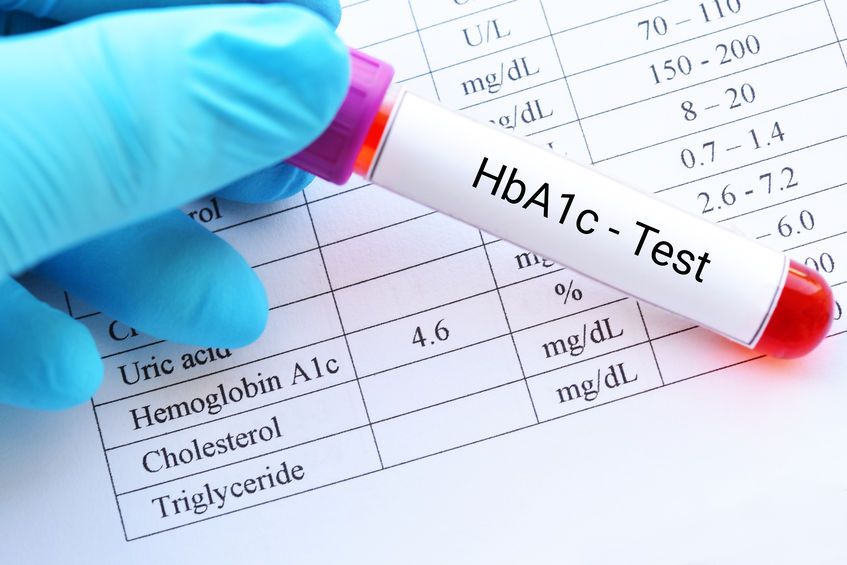
Thinking clinicians have been asking this question. Measuring A1c depends upon red blood cell turnover to be at 120 days. But what if your red blood cells turnover faster or slower? PLUS Distance runners develop anemia pretty regularly from their training. Their iron levels seem to just dissipate. What is the possible mechanism for this phenomenon? What can runner's do to mitigate this?
{mp3}https://superhumanradio.net/components/com_podcast/media/mp3s/SHR_Show_2269.mp3{title}SHR_Show_2269{end-mp3}
{spoiler spoilerID,Click to read Show Transcript,Click me to close}
[00:00:00] Hey, hey, welcome back to another episode of superhuman radio. It's Monday and we're breaking out of the gate with a really really important show today. We're going to be talking about two different topics. The first is how reliable is hemoglobin A1c as a method of checking a taking a snapshot of long-term blood sugar management.
[00:00:53] Now, I'm going to talk about the phenomenon of long-distance Runners and why they become anemic. My [00:01:00] fascination with iron lately is opened up some interesting doors. We're going to talk about with dr. Adam Rogers or just a second. Of course. I have to thank all American pharmaceutical and EFX sports for being our title sponsor show them some love right now.
[00:01:12] They're giving away six of the top-selling products. Absolutely free. If you go to superhuman radio dotnet and click one of the EFX Sports banner ads and enter your name and information. They will ship you these products because dr. Jeff golini believes that no one should buy anything until they've tried it and he puts his money where his mouth is.
[00:01:30] Also. I'd like to ask the audience to do something for me. And that is if you listen to us through iTunes, could you please go and comment and rate US? We are on the at 13 years the third month of this month and it's pathetic. I have not promoted iTunes and ask people to do things like going rate US and comment and I'm asking you now because I got a stalker who's putting horrible stuff up there.
[00:01:56] So I'd like to balance it out with some good stuff. So those of you who are listening, please [00:02:00] help me out. Check it out. Dr. Adam Rogers. How are you, sir? I've been great and you're very generous to come on at the last minute you and I communicate through email. You're an avid listener of the show and there's some of the comments that I have made on the show prompted you to send me some emails and I thought you know, this is a really really interesting discussion.
[00:02:24] So let's start off with the hemoglobin A1C for just a second and please correct me as I kind of set the table here. Hemoglobin A1c is seen as a benchmark for long-term blood sugar management. Of course, we can see a snapshot by taking someone's blood sugar in the morning, but looking at it and the accumulative effects over the course of months seems to be indicative of where they really are metabolically and so the medical.
[00:02:54] Orthodoxy looks at this test and this test depends wholly on the life cycle of red [00:03:00] blood cells in order to be meaningful. Isn't that correct? Absolutely, definitely, correct. Okay. So the reality is that one of the things I've learned in my iron overload. My own personal situation that's happened is that my spleen is working very very hard to get red blood cells out of my body because when you have iron overload red blood cells tend to expire sooner.
[00:03:26] In fact, they burst. Have you heard this? No, I'm not super familiar with. The extent of iron overload. Okay. Okay. That's fair. That's really that's yeah, there's multiple factors. Obviously that are going to increase or decrease here, but even but even as even those who train exercise intensely are known to be able to change their red red blood cell life cycles.
[00:03:55] They tend to have shorter red blood cell life cycles, and then there's other people who may have longer. [00:04:00] So if we're depending on the red blood cell life cycle as the bent as the. The progenitor if you will will of this type of testing then for those people whose bread blood cells take longer to die off.
[00:04:16] They could actually have good blood sugar management, but it would show to be worse because of the length of time of their the red blood cell life cycles, right? Right more accumulation. Okay. Okay. So you emailed me and said there is a better way. To be checking long term blood sugar status talk about that, please.
[00:04:41] Right. So you like to mention anyone see is the gold standard. But if you look at people that may have a predisposition or like you mentioned training Runners lifters people at altitudes people blood the stages. They are obviously going to have a [00:05:00] different life span for the red blood cell. So. The longer you go out like you mentioned you're going to make it a false test, especially if their hemoglobin levels start to change over time or like you've mentioned in some of the other shows you have Runners that their hemoglobin may start to drop off over time or vegans people that adopt a vegan lifestyle or decrease the red meat consumption.
[00:05:20] And of course the opposite is true when they increase red meat consumption. So if you want to get a shorter time frame as far as an average for your blood sugar's is also the fructosamine test. Which instead of just looking at Sugar that glycated hemoglobin with the lifespan of the red blood cell to three months.
[00:05:39] It's going to be attached to the albumin protein in the blood which is going to give you like a two to three week snapshot. So people that may have blood discourages. You might be better off looking at their proteins that get like eight. Versus their hemoglobin now. I want to expand on this for a second because I want to explain the real [00:06:00] impact of what's Happening here.
[00:06:01] So if you're somebody who's red blood cells turn over faster the average red blood cell lifespan is estimated to be a hundred twenty days. Let's say three months. Okay, great. So if you're somebody who's red blood cells actually turn over every 60 days you're. Hba1c may appear to be good. Oh, you're 4.6.
[00:06:27] You're great. You're blow 5.5 but that actually isn't accurate because had that blood cell live for the full 90 days. You may have been 9.6 and the opposite is true as well. Right if your if your red blood cells take longer to turn over. The doctor could go my gosh your 6.4. But in reality had they looked at your blood cells at the 120-day marker.
[00:06:51] You could have been 3.5. So we're really was shooting at a moving Target without having some way to assess how long this [00:07:00] person individual red blood cell count cell count is turning over in the previous given 90 days or 120 days, correct? You're correct. There's no perfect test yet other than if the person wants to get a good call, you know, the simple way get a glucometer check your sugar in the morning fastening check your sugar 2 hours post-meal check your sugar bedtime and get your average based on that and then correlate that to what your A1C would really look like based on your average sugars.
[00:07:33] But again, you know, there's no perfect test. You know, we we also have the. New method that goes on the tricep of the arm that gives you your continuous glucose reading I met a young girl I met a young girl with that and she also had an insulin pump. I met a young type 1 diabetic athlete and excuse me.
[00:07:54] That's what she does. She is constantly monitored and insulin [00:08:00] is is infused as needed. Pretty cool. That's right. That's right. So that would that would be a better method of course, but that also depends, you know, then you get into insurance and what you can afford what they'll pay for. Are you suffering hypoglycemia?
[00:08:17] Are you on a pump? And you know, you know when you get into the insurance realm it starts getting a little messy. Yeah, so let's talk about fructosamine, which is appropriately named right? It's a sugar and a mean is an amino acid or protein fructosamine. So is this something doctors do regularly these days or would they even know what fructosamine testing is for glycation evidence?
[00:08:43] It's not it's not the standard of care. Although we know that. Standard of care is not always the best care. Yeah, look at Key money doctor absolutely many doctors may not even know what the fructosamine test is [00:09:00] or even if they may have heard of the fructosamine test. They may not know the instances in which it may be preferred over the hemoglobin A1c.
[00:09:08] But that's nothing a short 22nd blurb to your doctor couldn't fix is an educational piece. Yeah, because of your doctor's going to order lab work for you. He can order a fructosamine test. The only has to do his the people who do his back room work and I have to know what code to assign to it and then he can get that along with hba1c if he doesn't want to eliminate one for the other so it are there any unique challenges given that the fructosamine test is only 24 days or whatever as compared to you know, 90 days 220 days.
[00:09:47] Unique challenges the well in practice, I mean in clinic where you need challenging they see is that from one, you know, nowadays. The primary care is so overwhelmed. They're [00:10:00] almost like the old-school operator, you know, you see the operates like on TV, you see the old school operator. They oh, I'll take your call who you trying to connect with and then they take the plug out they plug in and they connect you to the specialist now.
[00:10:13] So they say okay, you're going to go see the nephrologist for your kidneys. You can go see the cardiologist for your heart. So from one provider to the next that you may be seeing as an individual we have now a team of providers one provider to the next may not understand when they see fructosamine what it is that they're looking at that might be the challenge clinically for the patient themselves because they may go see their cardiologist in there like see the fructosamine and they're wondering where the A1C is that.
[00:10:41] Not knowing that the pitocin is also a marker for average blood sugar. So again, that's that's nothing that a simple I mean as a patient you can go on Google Images and do fructosamine to A1c to estimated average glucose chart. [00:11:00] You could print that out have it on your phone. Everyone's got their phone on them have it on your phone show it to your doctor and say, okay.
[00:11:06] Well, this is my fructosamine test. This is the. But if you look at this chart, it tells you that would be an average A1C of 7. So I'm at goal. Now when we when we choose for tosa mean over hba1c are we not just choosing one imperfect testing method for another do we know more about the turnover of proteins that they tend to be?
[00:11:36] More predictable than the turnover of red blood cells. That's an excellent question Carl D. So that's finding the right test for the right patient. That would be that scenario. So if you have somebody that's regularly healthy no outstanding variables where you would suspect any instance of red blood cell [00:12:00] turnover rates to be altered or varied than the A1C test is just fine.
[00:12:06] If by if you do have somebody that you might suspect or the patient that you might want to just double check. If you have an inclination to think that your training is changing your environment of training like, you know, you have people that run marathons or even MMA fighters will move to altitudes for certain training.
[00:12:27] So if you're looking at lab work there and you want to test and see if there is a variability for. Anything on it both test to compare. I was going to say I think I might wait hold your thought. I think it's probably wise for doctors to first start ordering both of these so they get comfortable with triangulating and understanding the relationship between the two before we just go to the other and so that makes perfect sense exactly or if they're not willing to do that.
[00:12:55] If you have you as a patient have the chart handy for them and it's you know, they can linearly [00:13:00] see okay this fructosamine. Looks like this A1C which looks like this average glucose. So if they can see that visually that takes 5 seconds for them to understand what's really going on. But unlike I was going to say on the flip side of that.
[00:13:14] If you have a patient that has maybe kidney disease late stage or hepatic liver disease late stage. Or even an appointee traditional status though considering you have I know you've done shows recently on like the vegan diet vegetarian diet, right? You know, some of them of these they forget the term vegan has vegetable in it.
[00:13:37] And so they become car batarians right and with that they may not be getting. Near enough protein a greeting simple carbohydrates to maintain that diet or I have an elderly person or somebody with, you know HIV cancer where maybe their appetite is diminished when they're not in taking protein and that would that [00:14:00] would suggest that you do not want to do a fructosamine test because then their albumin would tend to be on the lower end because their lack of protein intake.
[00:14:09] And that would give you on the same flip side that were talking. You don't want to get a false result with your A1C that would give you a false result with your fructosamine right see and and and the other thing the other challenge I see is is having your doctor start to ask these questions. I don't know how long you've been listening but about two years ago.
[00:14:31] I did a show. About a study that looked at how many Physicians actually a talking to their obese patients about obesity and it was some shockingly low number was I 28 percent and the gal who was the primary author of this paper we were talking about why that would be like why would a doctor stare at an obese patient and not say.
[00:14:57] You know, it'd be like if you were standing in front of a [00:15:00] patient had a huge growth on there right right in the middle of their throat. You you would say, you know, wow, you look like you may have something going on with your thyroid. You wouldn't ignore it. You would say something about it. So why don't doctors when faced with a clearly obese patient have a discussion about obesity and the only thing I could come up.
[00:15:22] Was that these doctors themselves are obese? And this is an uncomfortable discussion that they want to have and so the reason I point this out is because doctors are reluctant to ask patients any questions. In fact, if you don't come forth with the list of things that you want to tell your doctor, Like I start making lists weeks before I go.
[00:15:42] I just went for my annual checkup, which was two years old. I should have gone last year. I didn't and you know, I had a list of things I want to talk about now. Dr. Matt Andre is concierge service. So he sits down with me and too easy chairs and we spend at least an hour together talking about stuff before I even start to examine [00:16:00] me and so, you know having.
[00:16:03] Doctors in fact the pharmaceutical industry understood this so well that they're add say ask your doctor if Lyrica is right for you because they know that the doctors not going to ask any questions that are going to elucidate the symptomatology that would dictate lyric of being prescribed in the first place.
[00:16:21] So now having doctors, I don't know, you know, it's really a cluster mess today medicine. Yeah. The system is broken Carl. Oh my God if you look. For one we multiple angles. If you look at this the one you can't tell a person you're obese it anymore even in in the medical office until recently when they made obesity codable for billing and is denoted as a disease.
[00:16:53] For that it is somewhat up one that she could say you're overweight of course or based on your [00:17:00] BMI. This would place you into the category of obesity. But hurt somebody's feelings in the office. You know, you lose a customer sometimes at that point, even though the truth might be hurting you may undercut yourself your bottom line at that point losing patience.
[00:17:17] The other thing is our system now is set up. As fast food medicine so you got concierge service, but not everybody has that luxury and not everybody has a provider that may spend the time with them to address the whole city. I know basically looking for basically it's like if you were to take your car in in the primary care provider only addresses the dummy light that's on the on the dashboard versus the hole.
[00:17:49] Yeah, yeah, like oh your tie rod is going to blow out probably later this afternoon on the highway. We probably should replace that. Now, you know, it's that it's that preventative care that most [00:18:00] Physicians miss out on I want I want to say something else because I had a girl one day on Facebook when I talked about concierge medical service.
[00:18:10] I had a girl on Facebook imply that somehow I am Elite. And you know, I want to say something about that because I could sound like Oh Yeah, Carl like, you know sure he can afford to do that. No, I can't actually and I want to say that my health is my primary of primary importance to me and as a result of that the money that other people spend maybe on different things that are important to them.
[00:18:40] I don't spend that money, but I do spend money. To be to have a conscious relationship with my doctor and I say this because not because I want to protect people from thinking that. I'm rolling it up because I'm not up until two years ago. I drove a 1986 Volvo Wagon until it literally stopped running and now I [00:19:00] have a 15 year old BMW.
[00:19:01] So there's no I'm not rolling in anything. But what I am doing is I prioritize the important things in my life and anybody could have a concierge Physicians relationship if you desire it if it's important to you, it's not as expensive as you think it is and insurance doesn't. Pick up. My lab work and my doctor's visits in that I just pay an annual fee kind of like a membership fee to have access by text and email and even phone call to my physician and when I do meet with him, Or if it's for you, it's a her you you they're not rushing you through.
[00:19:41] It's not like they they walk in the girl entered everything and they asked you six questions and they say okay do this this and that walk out. They actually it's like a visit like you're visiting with a friend and you're talking about a bunch of stuff. So. The reason I want people understand this is don't be misled to think that you can't have a concierge [00:20:00] Physicians relationship and there's probably concierge physicians in your area.
[00:20:03] You need to reach out to them and they're not expensive not by any means, you know, I just want to get that out there. No, I totally agree. And before I jump on that, you know, like you mentioned before if you look at most health care providers themselves there they're not in. Good health anyway yet they will tell you know, so what you know, it'd be likes going to the dermatologist that has acne and his bald, you know, you might question what you're doing is seeing that specific dermatologist.
[00:20:35] So if you're going to your primary care provider and they're out of shape and there, you know on the down slope as far as health care. How likely is it that the information they're giving you any better than what's being said to them in their education provided by the drug companies to begin with so as far as the concierge medicine goes it that's you know, that's a tough part 2 I completely agree [00:21:00] with what you're saying but the operative word that you mentioned was prioritized priorities, you know, a lot of the US population doesn't have your help.
[00:21:09] Stand as one of their priorities and there's so much misinformation out there that you know, they see something on. Dr. Oz one week something the next week on YouTube. No, no on dr. Oz and don't they see it right on dr. Oz so they see something on dr. Oz on Tuesday and then it's contradicted on Thursday on dr.
[00:21:29] Oz one of my biggest frustrations about him is that he doesn't have a message he won they talked about. Genetically modified sugar beets one day. And then another day he had somebody on that they mentioned that sugar beets are actually a better source for getting sugar, you know for foods and and I was waiting for him to say.
[00:21:52] Yeah, but we just did a show because I would have I would have been like, oh, we just did a show that the genetically modified you want to speak to that clear that up for me and my audience [00:22:00] instead. He'll even Flinch. I mean it's just. You're right. It's confusing today people have anxiety about what to eat and how to take care of themselves.
[00:22:10] It's really scary because there was a point in time where we instinctively knew how to care for ourselves, but we have been so convinced that someone else knows better than us. That's exactly right. And as you mentioned it's it's not only the fact of not having educational piece as far as knowing.
[00:22:28] What is healthy. I mean how many people do you know that understand that may be organic produce may be a better option for them. But you know, they say they can't afford it. But yet they've got to BMW or they've got damn car. They got the iPhone 6s iPhone 10. But yet they still have to buy the cheapest food.
[00:22:50] They're not going to the gym instead, you know, they're spending their money prioritizing other things over their health. I know a girl who doesn't think organic [00:23:00] is important at all. She thinks it's all a scheme and she also thinks it's too expensive. I also know that she probably drinks about four bottles of wine a week and it's not cheap wine.
[00:23:10] And Lisa and I Lisa and I always laugh about it because it's like we talk about priorities being mixed up. I want to take a break. I want to pick it up on the other side with this discussion with talking with dr. Adam Rogers. We're talking about fructosamine as an alternative or a way to triangulate long-term blood sugar because hba1c requires more.
[00:23:32] Considerations that are not taken into account so you may be given wrong information stay tuned. We'll be right back. Welcome back. You know, I'm all about busting old technology when new technologies available to serve a better purpose, you know, I did a show not too long ago. About how obsolete the modern blood pressure cuff is it was developed in the [00:24:00] late 1800s and I've never changed and they knew back then it would they were problems with it.
[00:24:04] Well Desmond problems with our air filter systems to but people buy air purifiers today. They're all HEPA filters what they don't realize is that technology was developed during World War Two. It's outdated and quite frankly. It can be dangerous and harmful. That's because it works on the premise that particles are caught anything larger than 0.3 microns a caught in the medium and stay in the medium, but they can proliferate in that medium and they can actually get to the other side through growing and be recirculated into your Air.
[00:24:41] There's a guy named. Dr. Yoga Swami who created what is now today the molecule air purifiers because his son had terrible asthma and his son saw no relief from any of the air purifiers that the good doctor was able to buy for him. Unlike the HEPA filters [00:25:00] of yesteryear the molecule actually destroys.
[00:25:04] The indoor air pollutants an indoor air is even worse than outdoor air and all air pollution has been associated with poor health outcomes from increased heart disease to development of bronchial inflammation and so on. So the molecule actually instead of trapping and incubating this stuff. It destroys it and better than that.
[00:25:30] It can actually destroy things that. Not capable of getting caught in your HEPA filter 10,000 times smaller particles are removed removed and destroyed not removed and and incubated from your air. It can remove so many different pollutants bacteria mold viruses things that cause allergies of [00:26:00] volatile organic compounds all are removed and destroyed by doctor.
[00:26:06] Goswami's. A molecule air purifier is a breakthrough science. That should be the one that you choose for your family. And for your home don't waste your time and money on one of these old HEPA things. They don't work. They really don't in fact one of molecules customers wrote in and said she's now able to breathe through her nose for the first time in 15 years.
[00:26:32] Believe me. She used all those other filters out there. The molecule is the only purifier that I will ever trust with the air that I have to breathe. And right now my audience can save $75 off their first order if you visit molecule, it's spelled with a k mo L EK Ule.com and use the coupon code shr a checkout and you will save [00:27:00] $75 on what is going to be one of the greatest air purifier inventions of the century.
[00:27:07] We're talking with dr. Adam Rogers we were talking about. For tossa mean test in conjunction with hemoglobin A1C test to really get a snapshot of what's going on with blood sugar. But again, these all these all depend on the lifespan of carriers. And those lifespans are different for different groups of people.
[00:27:30] So that's really the Big Challenge here. Definitely. Okay write tests for the right patient, you know, for those of you who haven't ever I did my first show. In 2008 on the importance of owning and using a glucometer and I didn't mean for type 2 diabetes management. I meant for overall health and even performance and so those of you who don't know [00:28:00] anything about this.
[00:28:00] I'm going to repeat this real. You can go to Walgreens right now. And you can buy a glucometer with 10 test strips a Lancet and a little shooter thing there for 1995 and you can test your blood sugar 10 times with that before you have to go back and buy more strips. Now, I will warn you that cheaper glucometer.
[00:28:24] The test strips are more expensive. That's how they get you. Nonetheless, you're not diabetic. You're not going to be checking your blood sugar every single day, but everybody should know what their fasting blood sugar level is first thing in the. First thing in the morning and because if you're starting to get up in the high 80s towards the 90s you need to think about making some changes to control your blood sugar.
[00:28:50] Now the right way to check your blood sugar is as I've learned it in please Adam jump in if I'm off on this. what I've learned is you prick your [00:29:00] finger with the Lancet you squeeze that first drop of blood out and you wipe it away. And then the second drop of blood you feed into the little test strip and check your blood sugar.
[00:29:15] And the reason you do that is the first drop of blood that comes out because of the trauma of the prick something about potassium happens and it actually reads blood sugar higher than it really is. And so that second a drop is what people go by. Is that true. Am I right about that? Yeah, I mean that you can definitely do that.
[00:29:41] Some patients may have a hard time especially the older we get of the more, you know, people work with their hands a lot like construction workers that are in their hands. They knew more calloused or people would like vascular issues perfusion issues or even hypothyroid where they have cold hands cold feet.
[00:29:58] It may be harder for them [00:30:00] to get to that second drop. Sometimes you have to just go with the only blood you can get might be the first job. But a lot of times I'll tell my patients, you know, rub their hands together not obviously you're not trying to cause drama just rub them together to warm them up for for a minute or so before hand rub their upper arms your forearms.
[00:30:21] Just to get blood moving ICE when I swing by Swing my arm. I swing the arm of the hand. I'm going to test Sue should centrifugally get more blood into my hand and then right before. Test the blood I milk the finger a little bit from the from the Palm down to the tip twice to get more blood in there.
[00:30:44] Then I pop it I give it one good pressure drop it comes out. I wiped it off. I give it another good press and a droplet comes out. I put that in the test strip. That's what I do personally. Yeah, that's that's ideal for patients that require more milking. [00:31:00] Then that those are the patients we generally might just get the first drop.
[00:31:03] Okay, because the more you milk the more compression you're causing the more hemolysis to the cells. They causing in the more you'll get a diluted reading and your it's going to be off. I mean, you'll still have a general idea if your if your hypoglycemic are extremely hyperglycemic, but you're trying to be pinpoint accurate.
[00:31:23] Now, the other thing that I've learned to do is to test my blood sugar. Three times of the course of three days add those numbers together divided by 3, and then I come up with an average you think that's a good way to do it. Definitely, but I think timing of the test is the most important like you mentioned fasting references.
[00:31:45] You want to see what your liver pumped out through the night while you're sleeping and fasting and also two hours after the meal so you can. See what your your food is doing as far as your insulin sensitivity and your body's ability to digest that food and get [00:32:00] the sugar into the fill or if it's sitting around and accumulating right if the blood sugar stays high for a long period of time so one of the things.
[00:32:11] That actually allowed me to pinpoint late-night Awakenings for a lot of people. And I lot of people email me and they have problems and sleeping is always one of them and I'll tell them to buy a glucometer and have the test strip in but don't push it all the way in so that it turns on and the landsat pulled back in the in the firing tube and go to sleep and when they wake up at 2 o'clock in the morning or three o'clock in the morning, you know, throw your legs over the side of your bed.
[00:32:50] And pop your finger and test your blood sugar and I tell them you're going to find one of two things always. If you wake up quickly quick [00:33:00] enough, you'll see your actually hypoglycemic. You'll see you're down in the 60s or the 70s when your trip typically in the 80s or if it takes you a long time to get out of that sleep mode.
[00:33:10] You're going to find your blood sugar is high like 160 170. You think yourself? Wait a minute, how can I how can I have a 160 blood sugar? If I haven't eaten since 6 p.m. And it's 3 a.m. In the morning, and because if you wake up fast enough what you see is the actual hypoglycemic episode that is making your body wake up.
[00:33:31] Your brain is panic the blood sugar is dropping. The adrenals have to turn on glucagon has to be produced glycogen has to get into the bloodstream this whole process you have to wake up for you can't sleep through it. But if you are on the backside of that. Event where you've actually kind of slept through some of it.
[00:33:51] Maybe you use the sleep aid or something and you check your blood sugar. It's 160 and you go what the hell what you're seeing is the body's response to the hypoglycemic and [00:34:00] hypoglycemic episode that occurred, but you were still asleep for it. And whenever I tell people to do this and by a glucometer it I mean if I had a nickel for every time it was one or the other.
[00:34:13] I'd be wealthy men. It's amazing. How many people don't sleep through the night because of poor blood sugar management and they don't know what it is. You're spot-on. Yeah went to live it kicks in you're going to have the opposite effect in hyperglycemia. And you know, the the answer to that is I just did a show on how to improve sleep 10 steps improve sleep and the one that makes people excited the most.
[00:34:42] Because it works is 3 to 5 grams of glycine, which is a highly gluconeogenic amino acid 3 to 5 grams of glycine right at bedtime and you will just roll right over that 3M drop because it [00:35:00] won't drop you your body will take that Glycine and start producing just enough glucose to keep the brain happy.
[00:35:06] You won't come out of ketosis, you know. Everybody's worried about oh wil a kick me out of ketosis. No, that's just enough and they sleep all night. They wake up at 7 a.m. In the morning go. I can't believe I slept all night. It works every time yeah. Yeah, we all like something that we can add on easily versus eliminate a habit from our daily routine.
[00:35:28] Absolutely. So I want to change the topic a little bit my interest in so a lot of the problems I've developed in the past two years. I now know are from a iron overload that has gotten pretty high now. I mean, I've had my first therapeutic phlebotomy. I'm going for another one this week. I get tested again.
[00:35:51] My goal is to get my ferritin down to somewhere below a hundred and to get Mighty IBC my. [00:36:00] Direct iron levels down to somewhere below 240, you know 230-240 that's going to be great because from high testosterone levels and from eating a lot of red meat supplementing with high doses of Vitamin C supplement them with high doses of real vitamin A I have actually done.
[00:36:27] If you had a if you had a person that was dying of anemia and said we got to save this person quickly. What do we do you would do exactly what I've been doing for the past two years and as a result of that the iron has actually hurt my body my joints, you know, I think a lot of my spinal compression in my lumbar spine is actually the result not just of the heavy lifting from in my case, but the assault that iron provides to chondrocytes.
[00:36:54] My knees all of a sudden heard out of nowhere now. So I become very [00:37:00] fascinated with iron iron storage iron depletion and so on a recent show I said. Isn't it funny that you know Runners they can eat red meat all day long but long distance Runners are always anemic. How does the iron Escape their body?
[00:37:15] And you emailed me and said here's a few things to think about. So talk about that. Why don't why don't Runners become anemic no matter what they do to increase their iron and red blood cells. Sure, and when can I ride before I just touch on that I think another thing that you'd mentioned in a previous show.
[00:37:33] Is that you you were supplementing at one point large doses of be complex, which also would have contributed to the increasing your hemoglobin iron storage. But as far as the runners go, so what you know, what we had learned in school was due to the foot strikes you get this compression hemolysis every time so if you have sprinters not such a big deal but long distance Runners where you [00:38:00] have basically somebody like with one of these things.
[00:38:03] Nowadays everyone have to count their steps, you know, if you tell ya that's competitive Sprinter we're going we're going way overboard. So the amount of foot strikes that occurs during a long distance run especially for these marathoners and Ultra marathoners, you're going to have hemolysis of the cell and you're going to have escaped of hemoglobin through that also through capillary leakage from the trauma.
[00:38:28] So that's what we've been school when you'd mentioned it. I wanted to take a look at and I saw also that there's a lot of studies showing like in the bmj review they show also a lot of blood loss from the gut so you actually have some GI bleeding going on due to the trauma from the from the up and down motion during the Cadence of the run where your internal organs are shaking.
[00:38:56] So you've got trying to there and then due to the blood flow [00:39:00] moving to the to the moving parts of the body have blood flow escaping the gods because there's no digestion going on and going to the moving parts of the body the legs specifically and you have some ischemic episodes causing trauma at the mucosal lining of the gut where in essence you're getting leaky gut, right and some of that will come out in the stool and then another way the body's trying to get rid of.
[00:39:24] This issue is you also have some coming out in the urine as well. But yeah, definitely the foot striking is something where you're in one thing that triggered that in my mind was, you know, I there was a few years back due to hereditary levels of high cholesterol and being brainwashed. During pharmacy school of the importance of reducing cholesterol and all the latest studies and the guidelines say this the American Heart Association says that insect says this these are the guidelines they all have study everything everything going on there.
[00:39:58] I said, you know [00:40:00] what I'm going to give it a try as far as instead of using a Statin medication. I'm going to go ahead and go vegetarian. And in fact if that point I signed up with my brother-in-law to do the Rock and Roll Marathon. And I stand Diego so I said, okay, I'm going to show that I can do a marathon going that journey.
[00:40:20] And this was a long time ago before you know, the craze hit mainstream and everybody who's right doing one Dieter or the other and I noticed some of the symptoms of low iron levels low hemoglobin levels and also low testosterone levels going along with that. It just shows look anything that lowers sex hormones that's telling you it's not appropriate for your body and all vegans lose their libido.
[00:40:50] I don't care who they are. We had a guy come on this show Andrew. I can't leave his last name right now, [00:41:00] but he talked openly he said, you know, I was a vegan and all of a sudden I couldn't maintain an erection and. When he finally decided to break this cult-like, hold on his diet. He craved steak.
[00:41:15] He had a steak that evening. He had a steak the next morning he woke up with an erection folks there forget about Maslow of forget about everything, you know about social constructs. We have one job. And that is to make babies. That's it. Anything that improves libido is good for you anything that diminishes libido is bad for you.
[00:41:42] It doesn't get any simpler than that. So if you want to diet and you can't maintain an erection, it's the wrong diet for you. Yeah, that's that's a that's a good sign if your body stops functioning your maybe you're doing something wrong. [00:42:00] So, dr. William seeds message me last night. I told him we're going to talk about this.
[00:42:04] He said that the he concurs with the findings about the gut. He said some of it is through the immune system what he means by that is through the gut. So it's interesting that one way to lower iron levels quickly is to run a lot but there are things that Runners can do to offset this. The first thing is eat more animal protein with heme iron in it.
[00:42:33] Especially beef number one. That's the most absorbable form of iron. However, plant-based iron which by the way is the only kind of iron you can get with this supplement. can be affected to be better absorbed how two things take real vitamin A with. Your plant-based iron whether it's from [00:43:00] vegetables or from and I'm not talking about carotenoids and that's what about beta carotene.
[00:43:03] I'm talking about retinol retinoic acid retinol palmitate real vitamin A active vitamin A the one that's responsible for differentiating stem cells, by the way. Take that with your plant-based iron number two. Take at least a thousand milligrams of Vitamin C a day because vitamin C will increase ferritin production even in the face of not increasing iron production.
[00:43:32] Think about that for a second vitamin C has been shown to genetically transcribe the production of ferritin. What you know, dr. Rogers I'm starting to wonder. In fact, I've got a guy that I'm trying to get on the show who's written the definitive book on iron overload and I'm starting to think that ferritin in and of itself is probably not a good way to determine iron load and storage of a human body you got to do to [00:44:00] direct iron as well because if you can make ferritin go up with vitamin C and not more iron and take that tells me something.
[00:44:11] Yeah, I'm not too familiar with that. Are you know what I definitely know is Vitamin C is going to increase absorption of the iron similarly. If someone taking vitamin D and they want to increase their calcium levels through that. Yeah, yeah, in fact in third world countries when children are deficient in iron.
[00:44:38] They give them iron along with retinyl palmitate. And that reasonable jury that increases absorption and that and that's going to be your animal source of vitamin A versus a plant source. So anytime, you know, it's interesting that you mention is as just at a Mediterranean food lunch [00:45:00] buffet last week and I was talking to two girls there that were nurses.
[00:45:04] And they were doing the vegetarian diet and I was trying to explain to them the power of animal foods and I was given them the example of that we in healthcare right now. It's you know, you know vitamin D is now mainstream. So even in healthcare, we're checking vitamin D levels and we're putting people on vitamin D.
[00:45:24] And of course if you uncertain at or prescribe Vitamin D. It just so happens to be the plant-based form 50,000 units once a week. And we're not you know, if you're monitoring result that you may go from, you know, everybody's going vitamin D. When we check it 25 hydroxy is level of say it's 20. Can I go up to 30?
[00:45:44] That's kind of what we see with the 50,000 units, you know, very mediocre response. But if you switch them over to the over-the-counter animal-based versions of vitamin D3, you know, that's when you start pumping them up. You're getting 25 hydroxy levels 50. [00:46:00] 60 70 you just can't do that with the plant based version.
[00:46:04] So even if the vitamin A like you mention if you want to use the you know vitamin A again, I would say animal version is going to be much more potent in our body. Is that humans in the plant based version and you can get that from cod liver oil to that's another good source of in the liver in general so interestingly enough, so I reformulated Primal d.
[00:46:28] And it's working. And so what I did I have to come up with a so-so delivering vitamin D through the skin has to be handled differently than through the gut and what I mean by that is I have to find equivalencies like in other words this much Primal D. Rubbed on the skin is equivalent to taking this much vitamin D.
[00:46:52] Orally. This is what I've been working on lately. Okay? So my 23andMe shows [00:47:00] and no surprise to me. I'm very dark skin. The darker your skin is it means you evolved under greater degree of exposure to sunlight and over Millenia your your your genetics have designed become designed to protect you from all the excess sunlight, but also from the excess.
[00:47:21] Vitamin D production. So those of us who had dark skin tend to have a higher degree of vitamin D3 binding protein and The Binding protein deactivates. It makes it unavailable to be turned into 25 hydroxy. So we have to take more a Scandinavian. / I remember reading a Scandinavian study once dr.
[00:47:43] Rogers that showed. That just a thousand IU's of vitamin D3 and it was from a fish from Fish always animal-based raised Scandinavian subjects who all light-skinned probably blond blond hair blue eyed, [00:48:00] like like it raised it from from 30. 25 hydroxy 250 and was a huge jump. I was like 1000 I used that's amazing.
[00:48:10] And so I immediately started taking 5000 IU's. I never my vitamin D didn't budge. So just recently because I'm trying to compare efficacy and come with a relationship between orally supplemented and transdermally delivered vitamin D in order to get my vitamin D into the 70s. Just the 70s mind you how much vitamin D a day do you think I had to take?
[00:48:41] I'm going to go with the lackluster response. Yeah, man, go somewhere between ten and twenty thousand units 30,000 IU's a day and I was at exactly 70 after 30 days. 30,000 and I was taking with vitamin K2 because I use the metagenic stuff. It's [00:49:00] good stuff. I know it's metagenic says quality products.
[00:49:02] I don't have to wonder if it's really 10,000 IU's a cap. I had to take 30,000 I use a day to get it to the point of 70. And right now I'm using a specific dose of Primal D and I have a funny feeling. At this dose of Primal D is going to bring me up above 70 which will be amazing and in that not to jump in too much but one of their studies also showing that the darker complexion goes similar to what we're talking about fructosamine versus A1C what patient to use it in and when the darker complexion tends to go they say the less reliable.
[00:49:43] It might be to check the 25 hydroxy level and more likely check the one - 25 which is the Unbound active portion in the blood. So especially they're saying patients that are black the [00:50:00] vitamin D 25 hydroxy may not be the preferred test for those patients. So these patients may be getting an excessive dose.
[00:50:09] Compared to what? They're actually thing is the freeform acted in the blood. Wow, that's amazing. That's amazing. I never knew that let's take all ask about right. I'm sorry. Well, I was going to say that might be something you wanted check along with your 25 hydroxy over you might want to do I'm going to pull it up right now and see if I got a 25 or 1 1 - 25.
[00:50:33] I'm actually going to look right now during the commercial break. That's why I want to take the break so I can come back and talk about because there's something else I want to tell you about my blood work. That is hilarious that all of you are going to laugh about stay tuned. We'll be right back with more superhuman radio.
[00:50:48] Welcome back. We're talking with dr. Adam Rogers right now. We're talking about blood work. So now - 25 it's not 1 - 25, which is 2500 HD. Right. So a lot of times [00:51:00] you can get your doctor to order both. Where you yeah, I'm going to I'm going to do that in this because I'm I have a lot of blood D blood test setup for the project that I'm involved with.
[00:51:09] Yeah, or for, you know, you're listening on the flip side of that some doctors is still. And in the dark as far as which test to order and will order the 125 in patients mistakenly when they should be ordering the 25, so would you think the 125 should be lower than the 25? Right? So like a lot of people talk about the target for vitamin D is 25 hydroxy, and so theoretically would the 125 be lower than.
[00:51:42] I think it's patient pretty much patient dependent again based on the characteristic and the patient. So you might see that like for instance you mentioned like Scandinavian patient versus the patient. That might be black you can you can definitely get a variance and what you're going [00:52:00] to see those levels as far as what's stored.
[00:52:03] And what's Act. So Quest Labs which in this town here is so much better than LabCorp. It's just ridiculous. LabCorp is like I don't even want to go in there anymore. It just reminds me of like a methadone clinic more than a lab. But Quest Labs. I went there one morning with Elisa. And everybody knows I'm really dark right now because between the summer and my my use of 25 micrograms of Milano 10 to I'm as dark as I would be if I lived like on the beach all the time.
[00:52:35] So a lot of people think that I'm either mulatto or some people just think I'm black. I mean, I've had this all summer long we laugh about it constantly. Well, apparently the girl that. That Drew my blood thought I was black. She's got me down as African-American but here's the the perplexing one.
[00:52:53] She's got me down as a female. I don't know. I mean I get the black part because I [00:53:00] definitely look black. There's no doubt in my mind about it. But so so like all the things for for African Americans. That's all like like the egfr. They usually do you know Caucasian or they do one for black and one not for not black.
[00:53:17] They just gave me the egfr. It's just as an African-American and has the egfr number. There's that's it and then up above it says it says gender female and I'm like, oh so they have me listed as a black woman. What the hell? Right. So a simple in this click that you think may not have any effect.
[00:53:38] In instance. I'm your study that you mentioned the egfr that actually takes into account male versus female black versus non black. So your result definitely skewed on that, but I think if I remember correctly, you said your serum creatinine was 1.2. Which is perfectly fine. For example, yeah that [00:54:00] makes more sense to be when you mentioned your egfr on the show.
[00:54:03] I think he said it was in the 50s that said, oh hell calls must be dehydrated, you know well and I could have been I could have been dehydrated that day that day as well. But your serum creatinine was 1.2. And that makes sense. Now you would have you would have expected with a serum creatinine of 1.24 egfr to have been better a higher number showing that you're clearing more of that out.
[00:54:26] So I was kind of perplexed when you said your your egfr was in well, so let's select. Well, let me tell you what let me tell you about female right? I'm a black female so too, but let me tell you what's really going on with my body. Dr. Matt. Andrea is amazing. So we looked at all of the lab work.
[00:54:43] And and my testosterone levels really off Thirty one hundred and five nanograms a dekaliter, which is not only high for a black female but it's also high for a white male and I'm only taking 300 milligrams a week and will like how could this be? And so here's [00:55:00] what's happening. I actually am setup to get an ultrasound of my spleen and my liver.
[00:55:06] Because Matt says when you have iron overload long enough your liver grows, but it doesn't become more efficient. It actually gets clogged up. He said my testosterone is too high. My DHEA is too high. There's so many things that are too high and then there's other things like my cholesterol is high and my cholesterols never hide like my total cholesterol juicy, like 168 all the time.
[00:55:31] It's 236 right now. He said. Basically, the iron overload is causing your liver and your spleen to work extra hard and your your clogged up your not clear and stuff the way you're supposed to be clearing it out of your body. So I've stopped taking any testosterone. I'm not using anything right now.
[00:55:50] I'm just riding it out. I'm just going to chill and I'm getting rid of blood and as I get rid of blood, you know, my CRP is high. My CRP is usually non-existent. All of a sudden my CRP [00:56:00] is like 5 point something which isn't ridiculously high, but for me it is. Right, especially based on the fact. I think he said your folate level is high normal.
[00:56:10] Yeah, and my B12 is too. Yeah, so if we have homocysteine or CRP levels elevated dinner, we're going to give the B complex and folic acid to reduce those numbers. But yeah, you know, that's what I was pretty high that in like like he mentioned he said clogging things up similarly similarly to you have a female with all these environmental factors causing their estrogen dominance.
[00:56:36] And they get clogged up in that direction to with estrogen levels. Dainty why I started taking three packets of live on Labs lipo sphere glutathione twice a day right now. Matt said to me, he said you have access to glutathione. I said I have the best glutathione on Earth. He said start taking as much as you can.
[00:56:58] He says your liver need some [00:57:00] help. So yeah, we know that the. The byproduct of n-acetylcysteine. Yeah, which I know you're talking about key later. The other day has been shown to be a key leader. Also, if you later for cholesterol, you know, we know that breaks down into increase production of the glutathione.
[00:57:19] So we give that for the patients that show for the Tylenol overdose. Where were afraid their livers going to sail, right? Right. In fact, if you're in the hospital with acute liver failure from Tylenol, they actually in they give you intravenous. And acetylcysteine don't they? Yeah, that's absolutely and we also use it as becoming a little less in Vogue right now.
[00:57:41] But whenever I have a family member that's going to do any sort of contrast mediated Imaging CT scan with contrast or whatever, you know, that's toxic to the kidney. So one of the practices used to have to be the IV and acetylcysteine for that, which is losing [00:58:00] its popularity. You know is everything that they want they want to have a very expensive prescription product to replace it.
[00:58:06] But also for the kidney helps so whenever you're going to use anything toxic to the body, we know that these powerful antioxidant will help clear it out. So yeah, so I'm not I backed off of my three grams a day of vitamin C for now because I don't want to increase ferritin. I'm not eating any red meat at all whatsoever.
[00:58:27] I just. I do eat chocolate and apparently chocolate has a lot of iron in it, but it is plant-based iron and I'm just not taking vitamin A along with it. It's not in my gut at the same time and I think. After this next bloodletting, we'll look I have a funny feeling. I'm going to be down into normal ranges, but then I have to go every two months thereafter because my goal is to get down to a ferritin level of below 100 and a total iron body iron detectable iron level of 240 or around 240.
[00:59:00] [00:59:00] And I have a strange feeling that once I get there and stay there for about two years all of these symptoms. I have developed over the past two years ago going to go away. I hope so. I hope so also like you'd mentioned with the become bead vitamin build up when a dehydrated state but you know, it's always a balance some of the some of the some of the times we push so hard for performance that it may not be the best for longevity.
[00:59:29] So similarly to I know you like to use the analogy of a car, but if you have a race car. And you're always pushing for more and more performance and you know, you're using bigger pistons and you're using Race Fuel and high octane and nitrous oxide. You know, our performance may go way up where the lifespan of those parts in that area.
[00:59:48] Yeah, they go down in the process. So I'm not sure are you familiar with any of like, dr. Merkel as work a little bit? Yeah, absolutely. But which in particular yeah. [01:00:00] Well, he's yeah, he's into the mindset not so much performance-based more life extension based and his one of his latest books that for fuel, you know, because he's all about basically I don't get excited program is you know, part of it is managing your ferritin levels to keep them low and using bloodletting especially as a male.
[01:00:21] Versus a female that has the automatic, you know bloodletting. Yeah, right exactly exactly for longevity purpose II have come to the conclusion without seeing anybody else's work, but just seeing my own my own physical deterioration and I use that term specifically. That a lot of the things that we associate with aging.
[01:00:49] Balance issues polyneuropathy brain function kind of getting foggy aches and pains muscle [01:01:00] muscle pain, especially like muscle bellies hurting. If you've never had this you don't know what I'm talking about lactic acidosis. Because of the iron in the muscle cells, it's unbelievable phenomenon, and I just realized it after reading a study when you look at what people consider aging aches and pains and slowing down and not wanting to move.
[01:01:24] I have a strange feeling a lot of it can be contributed to iron. I'm going to tell you something on this show that I haven't said to anybody so far except the Lisa. My father had a lot of these symptoms at the end of his life. And one of the things I noticed about my father, I remember was one of the trips.
[01:01:40] I went back in 2002 to Phoenix to see him. His skin change colors, you know, we're all dark in my family except my mother. My mother's family is light, but on my father's side World dark people with Southern Italian, you know, we evolved Under the Sun but my father turned a different color. It was almost like a [01:02:00] bronzy color.
[01:02:02] And I couldn't figure out what it was. I just thought you know, well, he's living in Phoenix and maybe he's in the Sun a lot. I don't know. Well, the irony is that my areas where the melanotan wasn't working very well because they were never exposed to this up very much son might would people consider the tan line that skin of my body is the same color as my father skin and now I'm starting to think that a lot of my father's neuropathies.
[01:02:31] And aches and pains and and and cardiac issues. Oh my God iron overload causes arrhythmias you think about it? You know, you got Metals you got metals that are causing your that are causing conductivity from cell to cell when they're not supposed to be. and so I looked at my father. I took my God, you know, he never thought about getting his blood.
[01:02:54] Reduced you know, he ate meat a lot and later in his life. But just the bare [01:03:00] accumulation over years. I mean think about it. You have a car you drive it for 50 years and never change the oil once what do you think? I'd only looks like. Judge, definitely sludge and that's what most of us have in our bodies and I'm starting to think that that sludge is what it would speeds us along to the type the sick aging phenotype.
[01:03:22] But it's you I think you're definitely on yeah, you're definitely on to it is and similarly like you've mentioned in the past as far as ancestral eating for our grandparents. Our great-great-grandparents you similarly to what what they've eaten because that's what our body is evolved to thrive on.
[01:03:43] So if we're if we're constantly working against that nutritionally even if they might be healthy for. Another human being that is not linked genetically as closely as is to us, you know, maybe we need to look back [01:04:00] at what a great great great grandparents were eating and make that more. So so if we're getting our protein sources similarly, my you know, my grandfather and great-grandfather came from Greece.
[01:04:11] So, you know, I when I did the key to I went to have done keto I've done, you know paleo. And I've looked at my blood work along the way and one of the things I've come to realize is regardless of what the science is currently saying about a specific type of food or specific diet specific macro.
[01:04:29] Breakdown everything looks better lab wise and and also in the mirror when I mimic a mediterranean-style diet, so if I go more Mediterranean paleo, I just function. And operate it at a better level. I was we were cooking this this past weekend. No, it was the weekend before at least and I were cooking on the weekends.
[01:04:52] We always like to cook and I said, you know in light of all this iron overload, you know, I was eating two and a half pounds [01:05:00] of beef a day. I was not avoiding vegetables, by the way. This wasn't the carnivore diet, but I it was just simple and I love to eat to eat beef and I said, you know, I don't remember my mother ever making steaks for dinner.
[01:05:14] Not once I do remember her making lots of chicken. I do remember how making lots of different fish. I do. Remember her making lamb chops, but they're small. I don't remember my mother ever making like making steaks for the whole family. And when I think about my grandmother on my mother's side, the only time we had red meat per se.
[01:05:38] Was around the holiday she would make a meat sauce with sausage and brush all which is you know, the flank steak wrapped up with the spinach and cheese inside of a tie with a string in a role and she would make put pork knuckles in there. That was the only time I remember my family sitting down and actually eating red meat and in [01:06:00] retrospect.
[01:06:00] We did not eat a lot of red meat and probably because we were peasants. I come from you know, brick masons and and beef was expensive beef was what rich people ate chicken people raise their own my grandfather razors here. I remember chickens and his backyard when I was a kid. I remember him bring it up bring it a lamb home and raising it for about eight or nine months and then slaughtering it.
[01:06:26] He had rabbits. He raised rabbits. He cooked those that's what peasants that would that was the animal protein available to peasants back. Right. Yeah, my grandfather was a sailor. And so, you know, most of my protein I come to realization should probably come from the see if possible. But now that I'm living in Texas, you know, I love red meat so it's you know, it's a it's a balancing act at once I get my ferritin levels down in my iron levels down.
[01:06:57] I'll start eating red meat again, but I will never [01:07:00] ever for the rest of my life go without. Not donating blood at least every two months. I won't that's like you to keep us posted with that along the way. So Adam. Do you have a website or anything? No, no website. I used to do a few things like maybe Twitter based but you know as far as the social media goes with my with a what I currently do.
[01:07:25] I don't really need to rely on social media for what I'm doing. And I found its kind of polluted with a lot of negativity. So yeah, I know. Yeah, I try to just for the most part, you know, what comes in comes out so I try to try to keep it positive. So how long have you been listening to supremum radio?
[01:07:47] How did you find it? That's that's a great question. I you know, I think I got in the car. Sorry podcast about five or so years ago [01:08:00] and then. Along the way, you know, it's still a new thing to me before that. As you know, things have changed so much with technology, you know, I would do I would do audiobooks or you know on finance things like that.
[01:08:15] You know, I'd be listening to not CD in the car. You were driving and driving PhD on Wheels and then I came across some Health and Wellness. There was one called the fat burning man, and he's based kind of like a Paleo base. Yeah, he's pretty cool. I can't think of his name but he's got a really popular podcast much more popular than mine.
[01:08:33] Yeah. Yeah, they're in good information. You know, he invites guests on good stuff and that's kind of what got me looking at a little bit more nutrition. And then I think I was looking for. Okay. Well, let's look at some if there's anything related to. Exercise weightlifting things like that. And I think that's how I came for an app on your podcast this word before you ever had patreon or anything like [01:09:00] that.
[01:09:00] Yeah, right. That's what's up. I may end up doing away with patreon because I think we have like 40 people who pay to hear the show without commercials because most people don't mind the commercials that appear as self, you know, Yeah, I mean I do. I definitely look at some responses. But TimeWise I definitely do the patreon, but I definitely want to thank you know like you for your show the information that you bring, you know in school are everything we learn is you know, what the drug companies have funded study wise and as far as yeah, as far as nutrition goes, you know, we look at nutrition and health care like it's just something we have to say we have to throw it in there.
[01:09:45] You know, we just have to mention. Oh, yeah, and also you should you know, you should probably exercise most days of the week 30 minutes and you know, watch what you eat and that's what you tell a patient and you feel good. You know, you feel good at the end of the visit [01:10:00] because you mentioned that but the main thing is is, you know till forever you so, you know you coach Rob dr.
[01:10:08] J. You know, the guests that you bring on you guys are leaving I would say leading the charge as far as getting information out there. To the mainstream public on nutrition diet nutrition exercise. These are medicine. These are real medicine not not the plethora of pills that cause a new problem for you when you say it.
[01:10:32] It's very cool. And I wish more people would email me you and I just started emu started emailing me stuff about the show and I thought wow this guy's got some really interesting perspectives on stuff. I've got to have him as a guest. Well you surprised that I want to have you on the show. Yeah, absolutely.
[01:10:49] I've only done one other podcast before and that was yeah, I do these I know and if you've heard OMG Spartan races sponsored by Reebok known and like an obstacle course your kind of [01:11:00] an obstacle course race where you're out there, you know running in the mud and the dirt and climbing walls and doing all sorts of goofy stuff like that.
[01:11:09] So I've done one. Based on that and you know, I got a chance to mention some exercise and nutrition in it. But yeah, I was really surprised and you know is far as me, you know, you are definitely didn't have any intention on as far as though I'd like to be on the show. It's not know I know guy for stable, but I just love the fact that you have a good platform and you share great information.
[01:11:37] I figured you know some of the questions that you posed during your podcast if I could provide some sort of answer to you for that then you can get that out there to everyone else and you know, that's how new healthcare is going to come around because now people ask dr. Google. Brad laughing. I don't know I know they're so they're so tired of seeing their day, listen and the font and [01:12:00] the pharmaceutical and medical orthodoxies know that and they pay big bucks to be placed high up.
[01:12:06] You know when you search for something you search for you if you Google keto and cancer. Oh keto ketogenic diet and brain cancer. The first three paid ads are for like, you know, some cancer facility that has offices in Texas and New York and California. The second one is, you know, for some chemotherapy drug at the third one is for some other chemotherapy drugs.
[01:12:30] Like they know that they know like you're searching for answers. And so we're going to head you off and put you on this path before you go down that other path and you think to yourself you don't need us. This smart. That's right. That's right. Very smart. Yeah every day. Everything's nice manipulated like that.
[01:12:47] So yeah, this is like a Grassroots movement that you've got going on and you've had going on, you know, obviously you said you're coming up on your anniversary 13 years later this month 13. That's excellent. I [01:13:00] plug you and what you're doing and I want other people in the audience and oval reach out.
[01:13:04] I'm sorry. I'm sorry. It's sorry. It's real Healthcare Healthcare. Thank you what you're providing. Thank you. Yeah, thank you. I want other people on that are listening to show to know that you can email me at on air at superhuman radio dotnet if you think you have something to contribute to the show.
[01:13:19] Listen, thanks so much for being on the show today. Dr. Rogers. No, absolutely. Keep up the the Fantastic work and I want to before we cut off. I just want to say Happy Veterans Day to all our all our service men and women that served. Are serving steal, sir. Thank you for doing that because I forgot I was kind of celebrating it yesterday.
[01:13:39] I actually did a post and but you're right happy Veterans Day more importantly thank you to the people who choose to serve. You know, absolutely we could go back to the draft and you see how. Quickly people start crying and going to Canada and then we don't have to do that because we have people who are born with patriotism in their [01:14:00] hearts and they are willing to serve and they willing to put their lives on the line.
[01:14:04] And yes, they get something in return. Maybe they get College tuition and lots of the stuff. But hey big deal that you they're still putting their lives on the line and thank God we have a peep. Thank God this country is made of people like that. Thank God. Yep, they were willing to do willing to put the name on the line.
[01:14:24] You know, there you go. I listen to thank you and we will have you back on so keep sending me good emails, okay? Absolutely, keep up the great work appreciate it. Take care. And that's all we've got for today folks. We have the blueprint the blueprint power our tomorrow. We got great shows planned for the rest of the week.
[01:14:43] Stay tuned. We'll see you then.
{/spoiler}