• +1 502-690-2200
  • This email address is being protected from spambots. You need JavaScript enabled to view it.

What happens when you tell overweight-obese women to start walking and eat more fat-free yogurt? They lose weight, increase insulin sensitivity, and reduce cardiovascular risk.

What happens when you tell overweight-obese women to start walking and eat more fat-free yogurt? They lose weight, increase insulin sensitivity, and reduce cardiovascular risk.

Dietary protein and dairy are two very popular topics in the weight loss and metabolic health department. It is well-known that high-protein diets may augment the beneficial effects of calorie restriction so as to preserve more lean body mass (LBM), increase fat-mass losses, and increase satiety during a time a deprivation. Most dairy products are not only full of high-quality protein, but may work through several mechanisms to protect against metabolic syndrome. Interestingly, even when the protein content of the diets is held constant, substitution of yogurt for other foods has been shown to lead to significantly greater reductions in fat mass.

Continue reading
  1940 Hits

Association between intake of dairy products and short-term memory with and without adjustment for genetic and family environmental factors: A twin study

Cognitive decline is one of the hallmarks of age-related degeneration, and emerging research over the last two decades has made considerable advancements in studying how diet influences cognition. It is important to note that cognition spans many areas of brain function, but one tool commonly used to assess the impairment seen in Alzheimer’s disease is short-term memory recall. One very popular dietary product at the moment is dairy food, and significant associations have previously been reported between high dairy product intake and high cognitive ability, including short-term memory, in U.S. citizens. Similarly, dairy intake has been associated with a reduced risk of dementia in Japanese populations.

Continue reading
  1844 Hits

Protein foods, carbohydrate quality, and long-term weight change – what can we learn from over 120,000 people?

Protein foods, carbohydrate quality, and long-term weight change – what can we learn from over 120,000 people?

Current mainstream recommendations to prevent obesity are very calorie and nutrition focused (nutritionism). Although these are indeed important aspects of health and weight loss, there is growing evidence supporting the role of food quality and dietary patterns as important. Yes, calories do matter and someone has even shown that weight loss is completely possible on a pure Twinkie diet, but this isn’t healthy or sustainable. Specific type of foods and drinks can easily influence long-term health and weight through their interactions with our physiology. For instance, protein is known for its satiating properties, and countless research has shown high-protein diets to have beneficial outcomes for both health and body composition. So rather than eating less calories, perhaps the focus should be on eating more lean meats and dairy products, which may indirectly lower calories while not bestowing feelings of restriction on our already overly-stressed population.

Continue reading
  1324 Hits

Diets fast and slow; what is the best for maintaining muscle and energy expenditure?

Diets fast and slow; what is the best for maintaining muscle and energy expenditure?

Assuming all else equal, would a person who weighs 180 lbs have greater energy expenditure than a person who weighs 150 lbs? The answer is yes, because the heavier individual has more body mass that not only requires calories to sustain at rest but also adds resistance (weight) during movement. What if the 180 lb person was overweight-obese and decided to diet down to 150 lbs? His energy expenditure would be reduced for the same reasons just mentioned. In general, the loss of body mass is the largest determinant of the reduction in energy expenditure, but it is not the only determinant.

Continue reading
  2020 Hits

Super Human Radio Gets Its Own Cloud

Super Human Radio cloudMany of you have noticed that the SHR website has loaded very slowly and MP3 files of the Podcast have been downloading painfully slow in the past many months. And I thank all of you hardcore Super Humans for not abandoning hope. The show grows month after month reaching new listeners and as such we have outgrown our current bandwidth allotment. In fact our bandwidth consumption has been over 50Mbps around the clock which has caused our Data Center to cap the bandwidth because we are hogging bandwidth from other servers in our rack.

Continue reading
  1814 Hits

It’s not just celiac; gluten consumption may increase inflammation and the body’s protection against it in otherwise healthy individuals

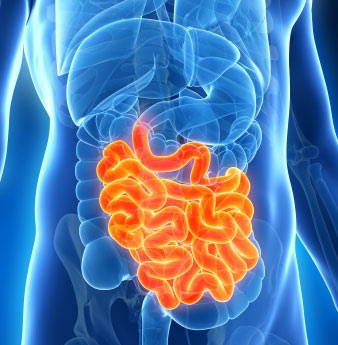
intestinal inflammationGluten is a protein found in wheat and related grains such as rye and barely. It makes up about 80% of the protein in wheat and is conjoined to the gran’s starch within the endosperm, making it available regardless of processing. Very recently, people have begun to appreciate the gluten content of cereal grains and many have chosen to avoid it, which makes complete sense if you have celiac disease. Alas, most people don’t.

Despite not having flat out celiac disease, these individuals claim to experience a very similar range of symptoms upon eating gluten. So much so that researchers have coined the term non-celiac gluten sensitivity (NCGS) to describe these persons. A diagnosis of NCGS is made when the reintroduction of gluten to the diet causes a recurrence of symptoms that were not present during a period of gluten exclusion. Ironically, despite a full-blown diagnosis being available, the pathogenesis and etiology of NCGS remain unknown. Even randomized clinical trials of individuals with self-diagnoses NCGS have failed to support that this condition exists, and other research has suggested NCGS to be instead FODMAP intolerance.

Continue reading
  1982 Hits

Behavioral, hormonal and neurobiological mechanisms of aggressive behavior in human and nonhuman primates

Have you ever wondered why we act aggressively? This type of behavior is generally defined as intentional infliction of damage or harm, and among our more “civilized” cultures of the modern world is also considered a serious problem. Yet, aggression played a central role in our evolution in the context of defending or obtaining resources, and virtually every other species does it. To better understand the basis for human aggression, Rosa Martins de Almeida and colleagues from Brazil synthesize the existing research on the topic and propose an integration of behavioral, hormonal, and neural routes through which aggression arises.

Aggression can take many forms, which has led to several classifications and dimensions. One example is the way in which it is expressed: directly and indirectly.While the first is characterized by physical or verbal behavior intended to cause harm to someone, the second one is characterized by a behavior intended to harm social relations of an individual or a group. This classification has a strong sexual dimorphism, with males tending to be more direct, especially physically, and externalize their problems onto others, and females tending to be more indirect, especially verbally, and internalize their issues. Another classification system is based on the function of the aggression. Impulsive aggression is defined as a hostile act in response to stimuli perceived as threatening or frustrating, and instrumental aggression is a deliberately planned behavioral pattern to attain a goal.


Continue reading
  1478 Hits

Red meat, dairy, and insulin sensitivity: a randomized crossover intervention study

Red meat, dairy, and insulin sensitivity: a randomized crossover intervention study

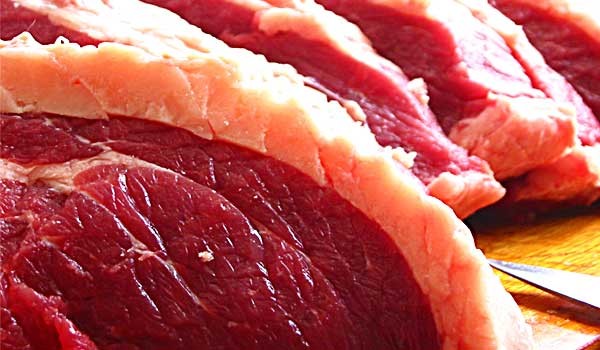
There is no shortage of observational evidence supporting the relationship between dairy intake, red meat intake, and risk of developing type-2 diabetes. In an exhaustive review of all systematic reviews and meta-analyses published from 1950 to 2013, pooling the results of 29 articles examining the link between common foods groups and risk of developing type-2 diabetes (T2D) revealed dairy to be one of the most protective food groups second only to coffee and nuts. Conversely, red and processed meats were the most detrimental after sweetened beverage intake.

Since this paper’s publication, a recent review of ten randomized controlled trials in which only dairy intake was altered found that four showed a positive effect on insulin sensitivity, five showed no effect, and one showed a negative effect. Conversely, a meta-analysis of three U.S. cohorts with 194,491 persons and 3,984,203 person-years of follow-up found only yogurt consumption to be associated with a lower risk of T2D. Interestingly, the intake of dairy fat is also associated with glucose tolerance and incident of T2D.

Continue reading
  2941 Hits

Mechanisms underlying the portion-size effect

The portion-size effect (PSE) refers to the notion that food intake is influenced by the amount of food served. In the most general sense, larger portions lead to greater intake, and it has been estimated that a doubling of portion size results in a 35% increase in intake. Moreover, the idea that “mindfulness” can aid in overcoming the PSE has been shown to be false. Although there is substantial evidence that the PSE exists, little has been discussed regarding why it occurs. As such, Peter Herman and colleagues from the University of Toronto, Canada set out to tackle the “mechanism” issue head-on.

Continue reading
  1511 Hits

Why You Want to Be Like These Dancing Mice


I don’t have time to write long articles, and you don’t have the time to read them. So, here’s the short story: More research shows that muscle mass improves longevity….Go figure. A group of scientist at the University of Michigan Medical School looked at the role of myostatin in longevity since other epidemiological studies have shown that there is a “positive correlation between skeletal muscle mass and longevity” and myostatin is a negative regulator of muscle mass. The more myostatin you produce the less muscle you will be able to build and maintain. I assume most people have heard of myostatin but just in case you haven’t here is an over simplified explanation.  Myostatin was discovered in 1997 by Dr. Se-Jin Lee at Johns Hopkins University. It is a protein peptide produced by the body whose sole job is to keep muscle mass in check. The way growth hormone is protein...

Continue reading
  4157 Hits
SHR Logo

Super Human Radio is the world's longest running broadcast dedicated to health, fitness & anti-aging with an emphasis on exercise, nutrition, and hormone management. This one of the most progressive podcasts for preventative & regenerative techniques designed to increase longevity. More

2908 Brownsboro Rd Ste 103
Louisville, Kentucky 40206

(502)-690-2200

SHR Logo

Super Human Radio is the world's longest running broadcast dedicated to fitness, health, and anti-aging with emphasis on exercise, nutrition, and hormone management. The most progressive source of information for preventative & regenerative techniques... More

2908 Brownsboro Rd Ste 103
Louisville, Kentucky 40206
United States of America

+1 502-690-2200