 Dr. Carl Paige, MD
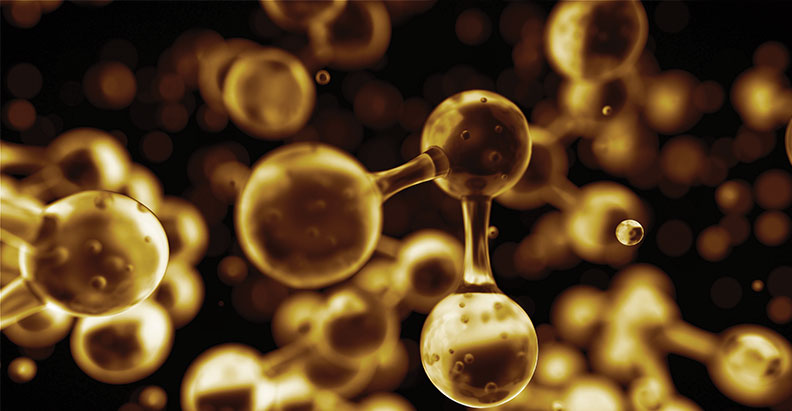
This tiny protein found naturally in humans and mammals is attached to copper. Early research showed it has the ability to reduce the effects of aging in a variety of tissue. Its effects are pronounced in skin where it acts to promote the production of supporting structures (extracellular matrix) in the skin, increase collagen synthesis, regulate copper levels, and activate reparative cells. Its small molecular weight makes it ideal for cosmetics. One French study showed it may regrow hair! It's currently being investigated as an anti-inflammatory to replace corticosteroids, for use in nerve regeneration, as a stem cell growth factor, as a DNA protectant, and as a general anti-cancer agent.
{mp3}https://dts.podtrac.com/redirect.mp3/superhumanradio.net/components/com_podcast/media/mp3s/SHR_Show_2345.mp3{title}SHR_Show_2345{end-mp3}
SHR # 2345 :: The Pep Talk: Copper Peptide GHK-Cu: Uses in Anti-aging and Regenerative Medicine
Show Notes:
[1:45] GHK-Cu is a tripeptide found in multiple tissues in the body.
- It works locally as a copper buffer.
- It is good for the skin and is naturally occurring.
[3:20] What does this mean for people with copper deficiencies?
- This peptide helps to keep copper in proper range in the body.
[5:00] Iron overload relationship.
- Iron displaces copper.
[6:30] GHK-Cu protects the liver.
- It causes new blood vessel growth in most tissues in the body.i.e. skin, neuro, and nerve regenerative properties.
- Can be used transdermally.
- Can tighten loose skin, reverse aging, and reduce wrinkles.
- One could potentially get copper overload, but that would be very unlikely.
[9:30] The protective mechanism on DNA.
[10:11] “These smaller peptides seems to have pleotropic effects….”
- Smaller peptides have a broader application.
- The more complex a peptide is, the more specific its use.
[13:23] The blood brain barrier.
- GHK-Cu should be able to cross the blood brain barrier, especially since it is naturally occurring.
[15:04] Dosing of 1-2 mg/ day.
- Frequency depends on volume of what it is reconstituted down to.
- Apply it locally.
[20:57] Hair regrowth.
- GHK-Cu has been shown to restore hair color, block DHT, act as an anti-inflammatory, and aid in stem cell migration.
[22:22] Could it be a replacement for corticosteroids?
- It could potentially treat the injury without all of the deleterious effects that come with corticosteroids.
[25:43] How pronounced are the anti-inflammatory effects?
- Steroids will act within hours.
- We are not sure exactly how fast GHK-Cu would act.
[26:45] Corticosteroid injections increase the risk of injury.
[28:12] Prophylactic potential of this peptide.
[31:50] Timeframe for hair regeneration.
- We are talking weeks to months, notyears.
[35:28] How to add the peptide to a stack as a prophylactic.
- Pulse it at 1mg/day, but don’t use it daily.
- Monitor copper in the system.
- Monitor zinc metabolism.
[42:43] Cancer treatment.
- GHK-Cu resets apoptotic mechanisms in skin cells.
- Inhibits neuroblastoma cells when combined with vitamin C.
[44:40] Dosing to improve skin quality.
- Apply topically to specific areas.
- There are local effects in the tissues GHK is applied to.
[46:07] Zinc supplementation while pulsing?
- It would depend on what copper testing shows.
peptidesociety.org