Dr. Daniel Elias Martin and Herranz – Dr. William Seeds, MD
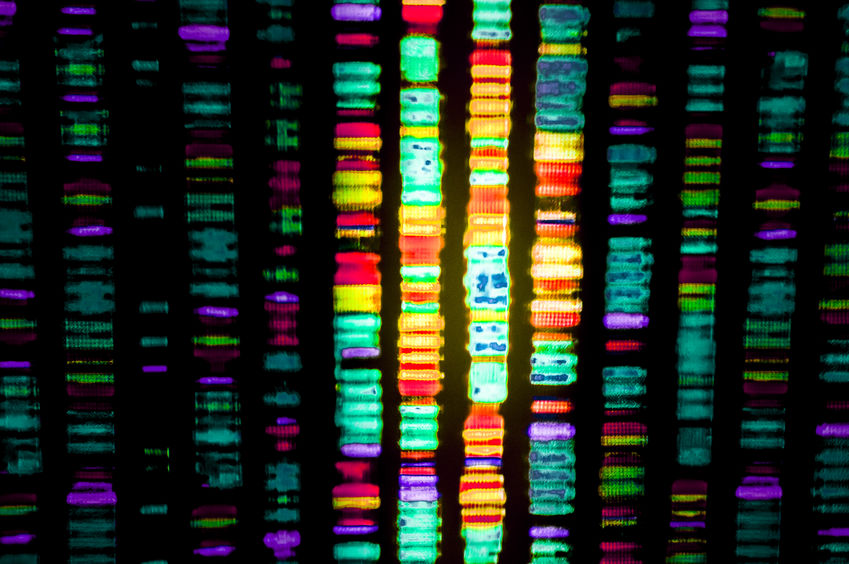
Epigenetic testing has progressed by leaps in recent times. The Next-Gen technology is able to sequence greater than 20,000,000 markers. But are they reliable enough to give you a projected lifespan? Or predict when you will die? What can they reliably predict? Are they limited by what we think human lifespan really is? What do we know right now about how methylation changes gene expression? Where are the areas of unknown or blind spots? Is this really the future human biological analysis? PLUS Carl promises to change his fitness and health. But is this just another near-miss?
{mp3}https://dts.podtrac.com/redirect.mp3/superhumanradio.net/components/com_podcast/media/mp3s/SHR_Show_2548.mp3{title}SHR_Show_2548{end-mp3}
SHR # 2548 :: Can A Test Really Predict When You Will Die?
Show Transcript SHR # 2548 :: Can A Test Really Predict When You Will Die?
Show Notes:
[4:07] How is epigenetic testing different from genetic testing?
- The epigenome is reversible.
- The environment that your body is exposed to can shape the epigenome.
[11:20 Could covid affect the epigenome?
[12:28 What differentiates chronomics?
- 20,000,000 tested points.
- Next-gen sequencing.
[16:38] DNA methylation as a predictor of health.
[19:10] Is this technology accurate enough to predict lifespan?
- The accuracy goes up as the valid data points collected goes up.
[22:39] Will epigenetic testing actually be able to expand the perceived lifespan limit of 120 years?
- if that goal is possible, it will take an assessment, such as this one, to show the effects of change.
[25:17] how often should testing be done?
- 2x/year.
- There are, however, methylation changes that occur in a circadian manner.
- md/epigenetic-test/
[33:14] Can the tests predict mental illness?
- The risk factors can be quantified.
[40:02] What “blind spots” are going to be revealed through epigenetic testing?
- metal health is definitely one of them.
[41:46] Fibromyalgia and lyme disease.
- Epigenetic testing can put he autoimmune debate to rest.
[50:12] Can the data be used to create genealogy profiles?
- it would be possible.
52:50] Could this help fatloss/ muscle gain?
- Metabolic risk is measured.
- the information could also assess effectiveness of periodization and training methodologies.
[1:04:22] Carl’s coming journey to reclaim his health.