
• +1 502-690-2200
  • This email address is being protected from spambots. You need JavaScript enabled to view it.

Casual Friday

High-oleic peanuts make a great snack

High-oleic peanuts make a great snack


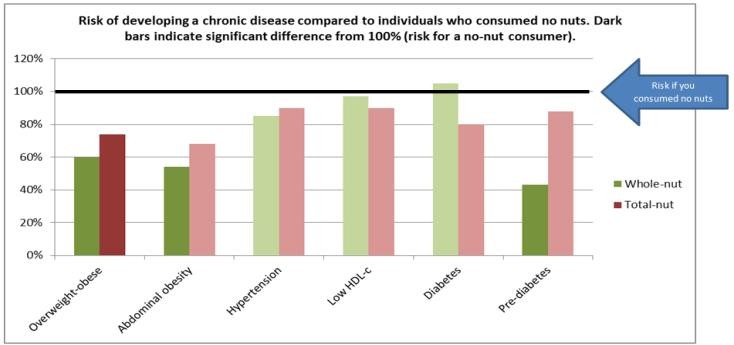
A while back I wrote an article about peanuts addressing if there was any legitimacy to the canonical paleo-diet view that they are harmful and should not be eaten. Long-story short, no, and I discussed numerous studies documenting the ability of peanut consumption to help regulate blood sugar, blood lipids, and satiety. Additionally, I talked about a relatively new type of peanut created through 30 years of selective breeding that is much higher in monounsaturated fatty acids (MUFAs) and lower in polyunsaturated fatty acids (PUFAs) than the conventional peanut. As it turns out, this “high-oleic” (HO) variety is the primary peanut grown in Australia, and Barbour et al recently published a study investigating what happens when you take a bunch of otherwise healthy overweight-obese adults who don’t regularly consume nuts and have them start eating 2-3 ounces of HO peanuts per day without any other dietary advice. Ultimately, 61 participants completed...

Continue reading
  2939 Hits

A little protein goes a long way in bariatric surgery patients

A little protein goes a long way in bariatric surgery patients


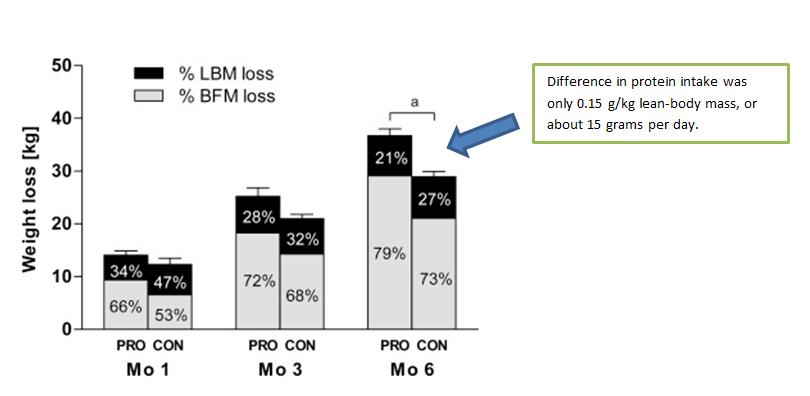
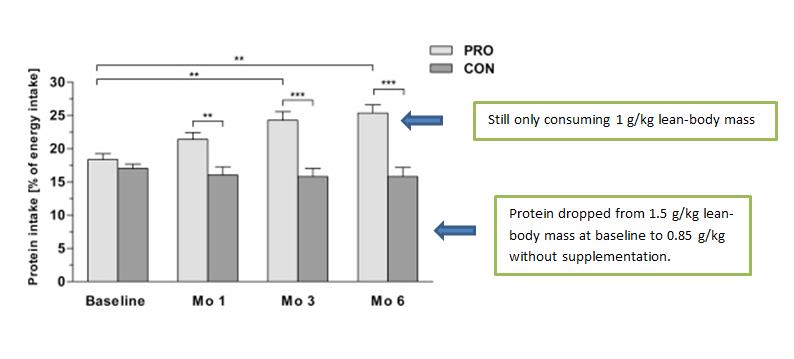
A high-protein diet during caloric restriction is an almost ubiquitous recommendation to maximize fat loss, muscle retention, and dietary adherence. Interestingly, one group of individuals in which this has not been well investigated is patients who have undergone bariatric surgery, which forces extreme caloric restriction. Only recently did Schollenberger et al publish findings from their pilot study investigating the efficacy of protein supplementation in a population that literally cannot stomach a lot of food. Their randomized, placebo-controlled, double-blind examination was conducted at the University Hospital Tubingen, Germany, with 20 morbidly obese adults (17 female) allocated to either the protein (PRO) group that received protein supplements daily over six months after bariatric surgery or the control (CON) group that did not. Both groups received isocaloric powders similar in look, smell, and other characteristics, but the PRO group powder contained 88 g milk protein per 100 g powder while the CON group received...

Continue reading
  1357 Hits

New study confirms vitamin D is necessary for proper muscle growth and function

New study confirms vitamin D is necessary for proper muscle growth and function


The era of vitamin D as solely a regulator of bone and mineral homeostasis is long-gone. Recent evidence suggests vitamin D to be implicated in numerous chronic diseases and adverse health conditions, including those related to skeletal muscle. In fact, muscle weakness and pain are prominent features of vitamin D deficiency that respond to replacement therapy. It has been shown that vitamin D receptors (VDRs) are present in human skeletal muscle, but the precise mechanisms through which vitamin D exerts its effects in muscle are unclear. It has been previously demonstrated that culturing muscle cells with vitamin D leads to marked cell growth associated with an inhibition of myostatin (the gate-keeper for growth, if you will). More recently, a pilot study in older women with vitamin D deficiency has shown repletion to increase intramuscular VDR expression and muscle fiber size. However, in vivo data concerning the direct effects of the VDR...

Continue reading
  2546 Hits

Super Human Roundup: Associations between heart disease and fatty acids, nuts, blood lipids, and healthy eating

Super Human Roundup: Associations between heart disease and fatty acids, nuts, blood lipids, and healthy eating


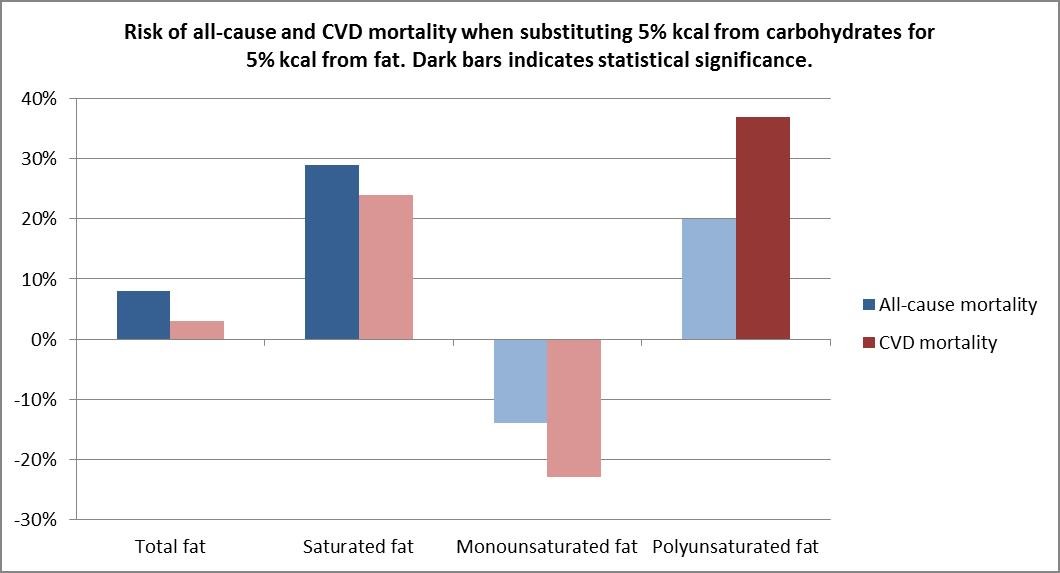
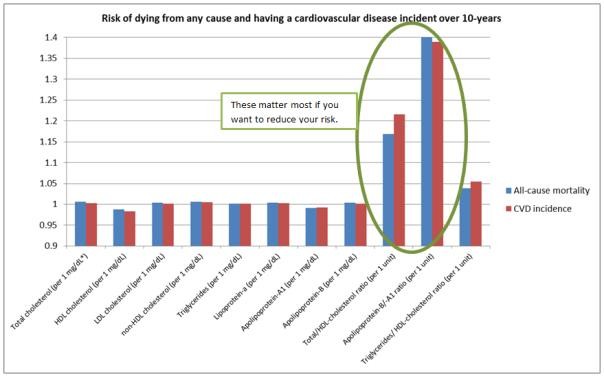
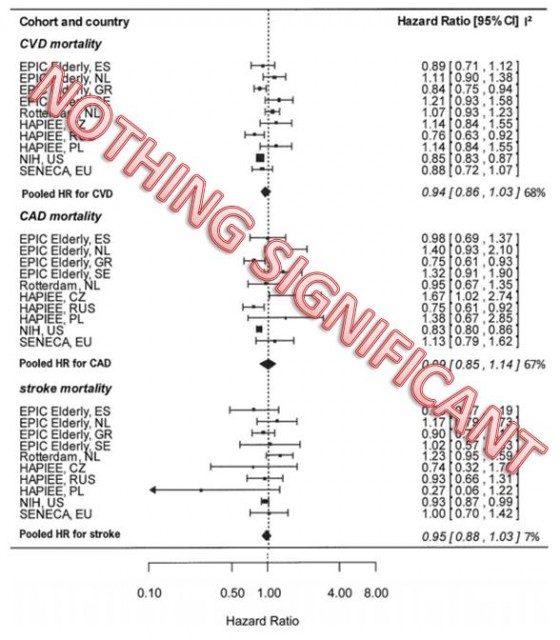
MUFAs save lives! … SFAs not so much The European Prospective Investigating into Cancer and Nutrition (EPIC) is one of the largest cohort studies in the world, with more than half a million (521,000) participants recruited across 10 European countries and followed for almost 15 years. In order to determine how substitution of dietary carbohydrates with different fats was related to all-cause and cardiovascular disease (CVD) –specific mortality, Campmans-Kuijpers et al crunched the numbers on the entire EPIC sub-cohort of individuals with diabetes (n=6192). Substituting 5% of calories from carbohydrates with total and saturated fat led to an 8 and 29 % greater risk of all-cause mortality, respectively, but had no effect on CVD-specific mortality. On the other hand, substituting for polyunsaturated fats increased the risk of CVD-specific mortality by 37% and tended to increase all-cause mortality risk by 20%! Keep in mind that no differentiation between types of polyunsaturated fats...

Continue reading
  1483 Hits

Is honey just glorified sugar? New study suggests YES!

Is honey just glorified sugar? New study suggests YES!

Reducing added sugar intake has become a ubiquitous recommendation by private and public health agencies across the world, and with good reason. Dose-response research has shown that metabolic derangements begin with at least 10% of energy intake coming from added sugars and escalate as the dose increases. Although this research was conducted with high-fructose corn syrup (HFCS), the authors speculate that similar results would be observed if sucrose (table sugar) were used as well because of their similar chemical structure (half glucose and half fructose). Of course, media coverage of the link between sugar and obesity has resulted in a predominant public view that HFCS is particularly detrimental. Whereas sucrose and HFCS are often viewed as detrimental to health, honey has been traditionally viewed as a “natural” sweetener believed to have health benefits other sugars don’t. Sure enough, honey does indeed contain numerous bioactive compounds that may benefit health if consumed...

Continue reading
  1953 Hits

Undercooked meat more digestible, but does it matter?

Undercooked meat more digestible, but does it matter?
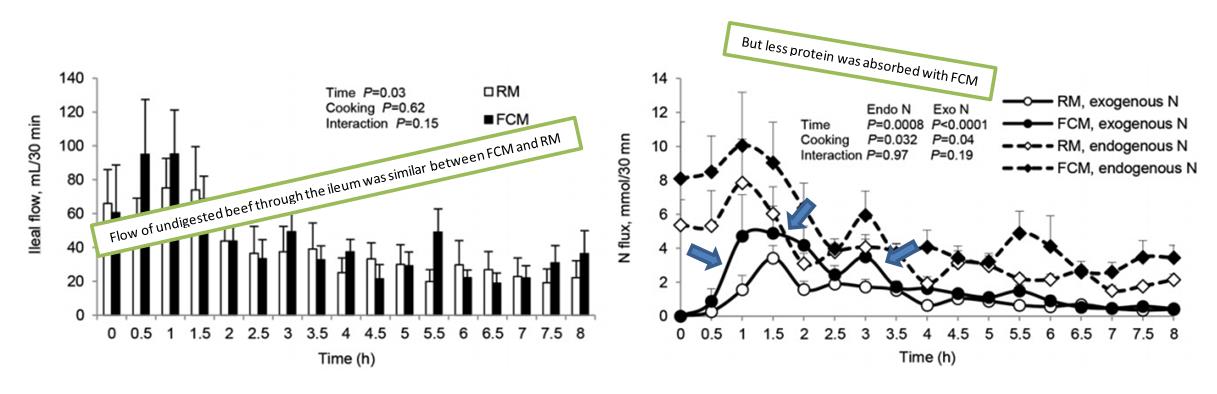
Flow of undigested meat through the ilium (left) and the amount of nitrogen reaching the colon (right).
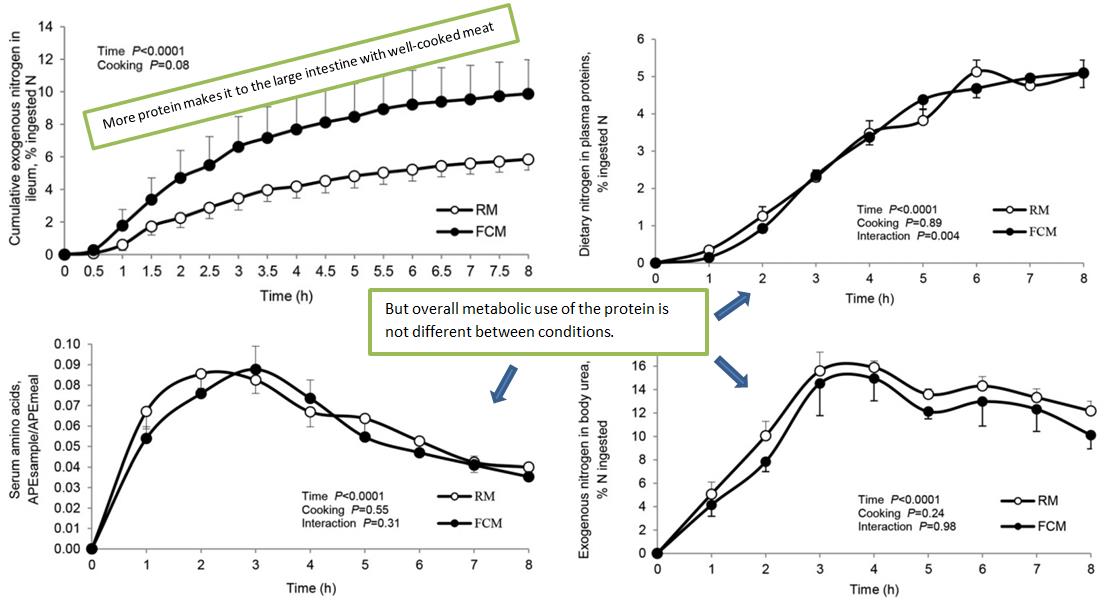
Cumulative amount of nitrogen reaching the colon (upper left), nitrogen incorporation into plasma proteins (upper right), amino acids (bottom left), and urea (bottom right).

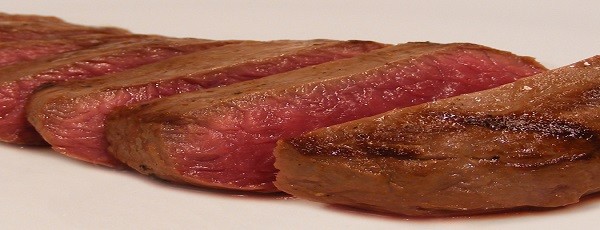
Have you ever wondered how cooking meat influences its digestibility? It seems like such a simple question – one that should have been answered long ago considering most people eat meat on a daily basis. Alas, it was only recently that Oberli et al from France took to the science to provide an answer. In the first study of its kind, they fed isotopically labelled beef to a small group (n=16) of healthy men and women and followed it through the digestive tract and metabolic pools of the participants. After consuming a standardized diet (1.4 g/kg protein) for one-week prior to the experimental day, in the morning after an overnight fast, each subject was provided 10 minutes to eat 120 grams (27 g protein) of isotopically labelled minced beef steak (mincing reduces the influence of individual chewing efficiency) that was either  fully-cooked meat [FCM; 90°C (194°F) for 30 minutes] or rare...

Continue reading
  2783 Hits

Almonds – 10 grams per day keeps the heart doctor away

Almonds – 10 grams per day keeps the heart doctor away

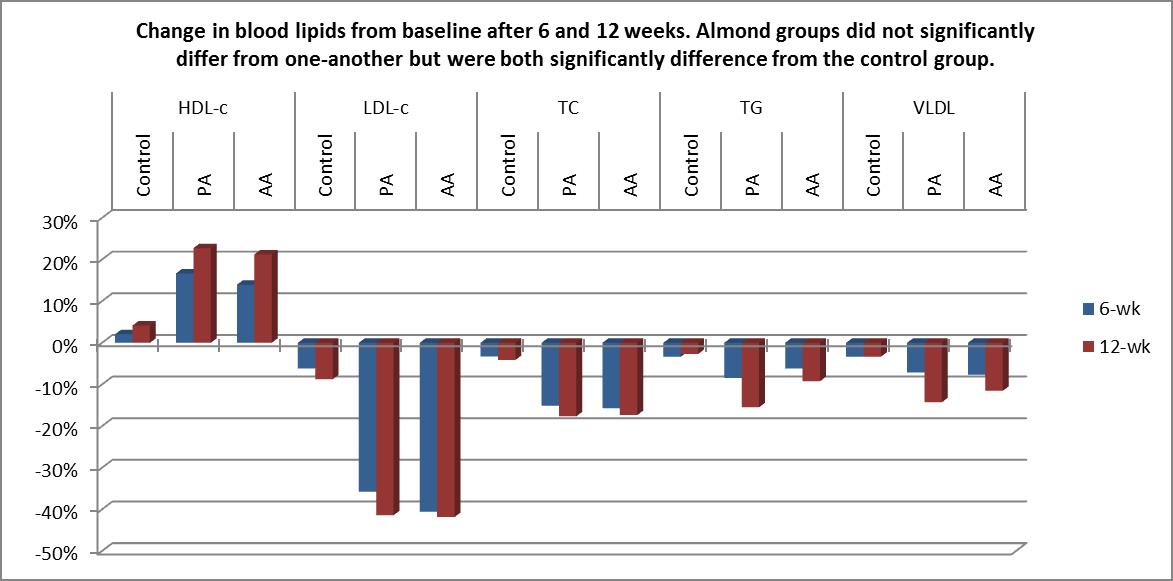
A major focus of dyslipidemia treatment and prevention of cardiovascular disease (CVD) is the reduction of low-density lipoprotein cholesterol (LDL-c), which is not without good reason. LDL-c has been extensively researched and implicated as a causal factor in the buildup of arterial plaque. Observational data clearly shows that high LDL-c is a risk factor for CVD, but this research also shows that low high-density lipoprotein cholesterol (HDL-c) is a risk factor. Classically, HDL-c is responsible for reverse cholesterol transport, meaning it gathers the cholesterol that could become plaque and brings it back to the liver. Although this role made HDL-c appear to directly counter that of LDL-c, it is now known that HDL-c has many non-classical functions as well, such as anti-inflammatory, antioxidant, and anticoagulant activities. However, it may be that HDL-c is only protective in non-healthy populations, as genetic mechanisms that raise plasma HDL-c do not seem to lower risk...

Continue reading
  1936 Hits

Super Human Roundup: Dairy and vitamin D for public health

Super Human Roundup: Dairy and vitamin D for public health


Lactose Intolerance and the Modern Dairy Industry The principal distinguishing characteristic of mammals is the reliance on mother’s milk during infancy. Notably, the milk sugar lactose provides about half of an infant’s energy demands during this time, and this sugar is nearly exclusively found in milk, begging the question of evolutionary importance. Lactose is a sugar composed of a combined glucose and galactose molecule, both of which play an important role in the biosynthesis of complex carbohydrates, glycoproteins, and glycolipids within most living organisms.  For instance, galactose is one of the six carbohydrates used for construction of gangliosides, which are essential membrane components that play an important role in cell communication and immunity. In order to absorb lactose from the digestive tract, the enzyme lactase is required. Most humans normally stop producing lactase after weening and consequently become lactose intolerant. However, some humans retain this ability, and the importance of this...

Continue reading
  2112 Hits

Milk fat – the good, the bad, the globule membrane

Milk fat – the good, the bad, the globule membrane

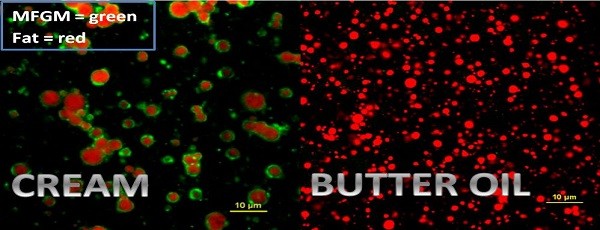
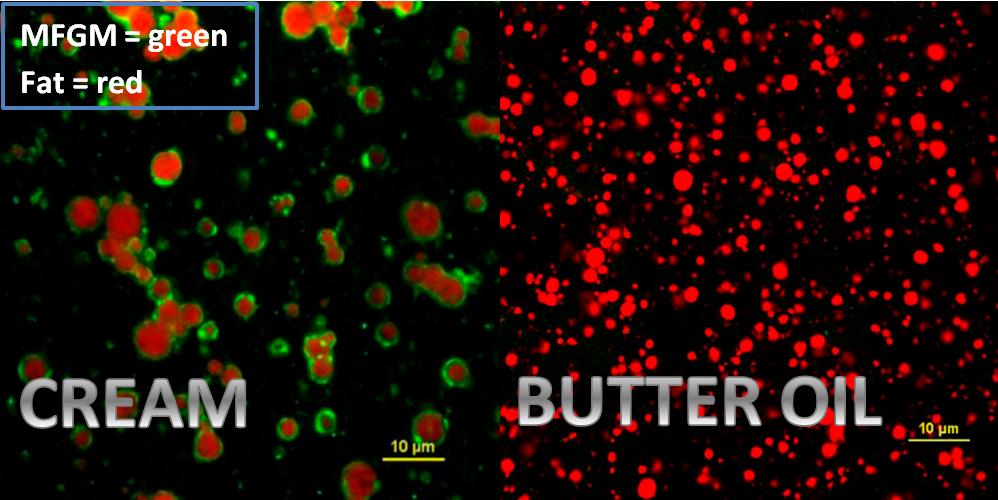
Confocal laser scanning microscopy of milk-fat globules from non-homogenized whipping cream (left) and butter oil (right).

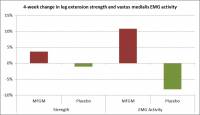
Changes in leg extension strength and vastus medialis EMG activity

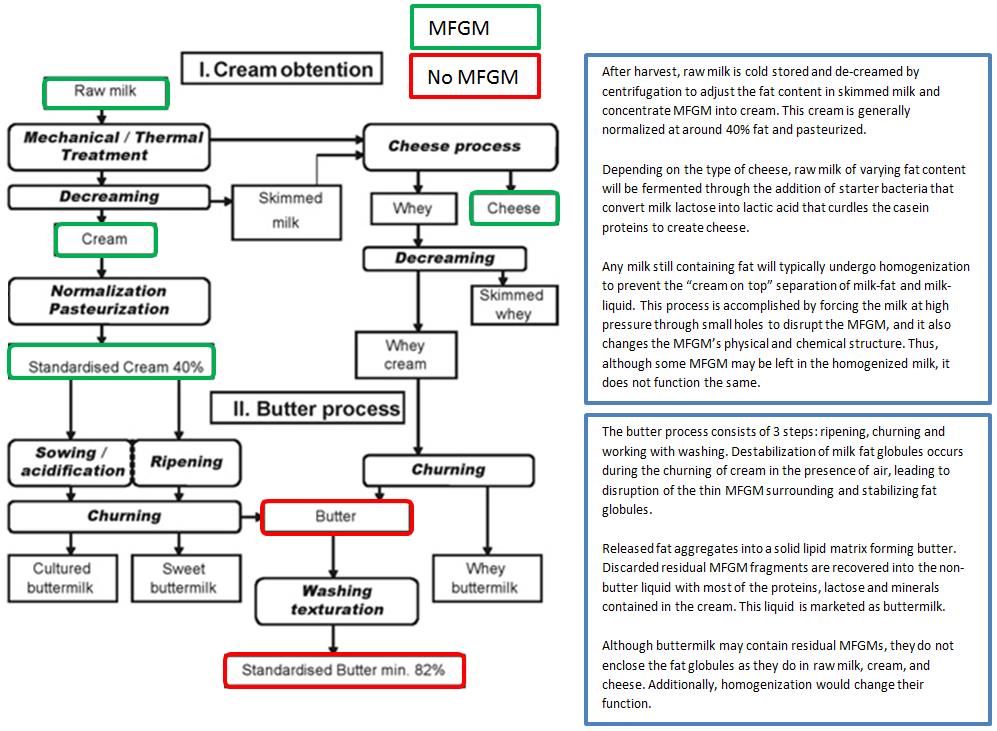
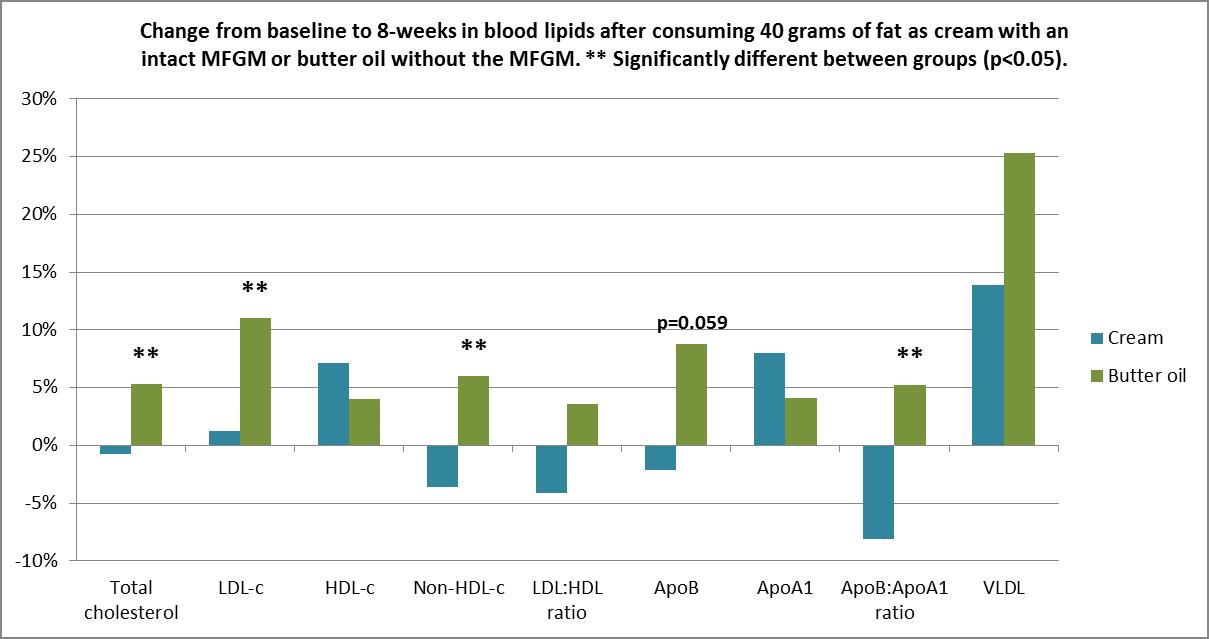
Earlier this year I came across a manuscript that argued the current classification of fatty acids, which is based on chemical composition, is inaccurate when discussing health and disease. With 516 references to research evaluating the physiological effects of each fatty acid known to exist, the paper proposed a new classification system for fatty acids that is based upon their biological activity. Although this is a step in the right direction, even the physiological effects of fatty acids are not always absolute. For instance, milk-fat is about 70% saturated fatty acids (SFA) and 30% palmitic acid, which according to the aforementioned manuscript is a fatty acid that does increase one or more cardiometabolic risk factors. However, not all sources of dairy fat have similar effects despite identical fatty acid profiles. A fairly recent review of the influence of dairy products and milk-fat consumption on cardiovascular disease (CVD) risk found that CVD...

Continue reading
  7978 Hits

Can’t walk? Resistance training saves muscle from sedentariness

Can’t walk? Resistance training saves muscle from sedentariness
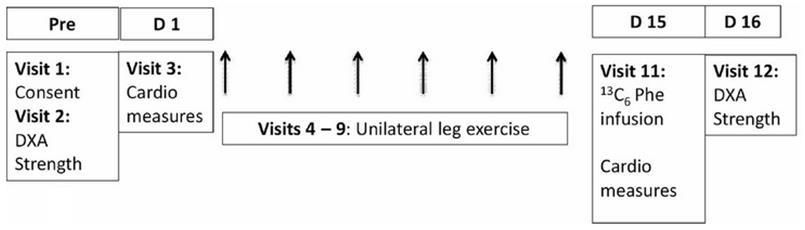
Study Outline
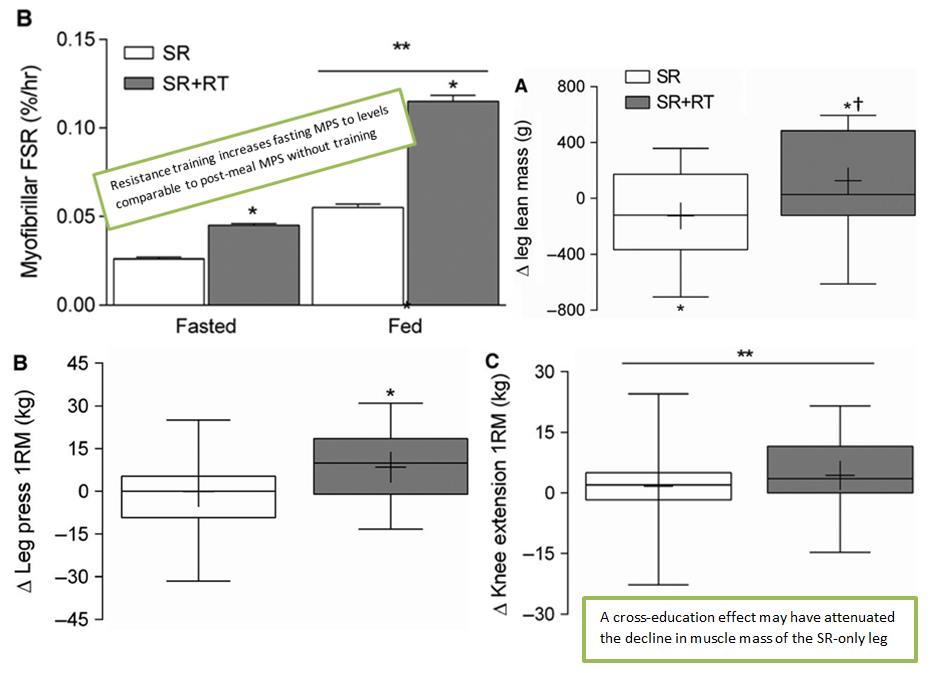
Changes in muscle protein synthesis, leg muscle mass, and leg strength after 2-weeks step reduction with (SR+RT) or without (SR) resistance training.

Generally speaking, with age comes a natural loss of muscle mass and function that is owed in no small part to a reduction in physical activity. This may be because protein metabolism is greatly influenced by the contractile activity of skeletal muscle, and it has been shown that muscular disuse results in a reduction in muscle protein synthesis (MPS) both after a meal and when in the fasting state. Even modest reductions in muscular loading through step‐reduction (SR; <1500 steps/day) for 2-weeks has been shown to reduce MPS in older adults, further supporting the notion that sedentariness plays a large role in the anabolic resistance of aging. Somewhat obviously, resistance training (RT) is the foundation of any intervention that seeks to counteract muscle and strength loss, and there is no shortage of evidence showing older individuals to benefit. However, many interventions use high-load programs that may not always be feasible for...

Continue reading
  2914 Hits
SHR Logo

Super Human Radio is the world's longest running broadcast dedicated to health, fitness & anti-aging with an emphasis on exercise, nutrition, and hormone management. This one of the most progressive podcasts for preventative & regenerative techniques designed to increase longevity. More

2908 Brownsboro Rd Ste 103
Louisville, Kentucky 40206

(502)-690-2200

SHR Logo

Super Human Radio is the world's longest running broadcast dedicated to fitness, health, and anti-aging with emphasis on exercise, nutrition, and hormone management. The most progressive source of information for preventative & regenerative techniques... More

2908 Brownsboro Rd Ste 103
Louisville, Kentucky 40206
United States of America

+1 502-690-2200