
• +1 502-690-2200
  • This email address is being protected from spambots. You need JavaScript enabled to view it.

Casual Friday

Unhealthy food taxes work; inclusive beats exclusive

Unhealthy food taxes work; inclusive beats exclusive
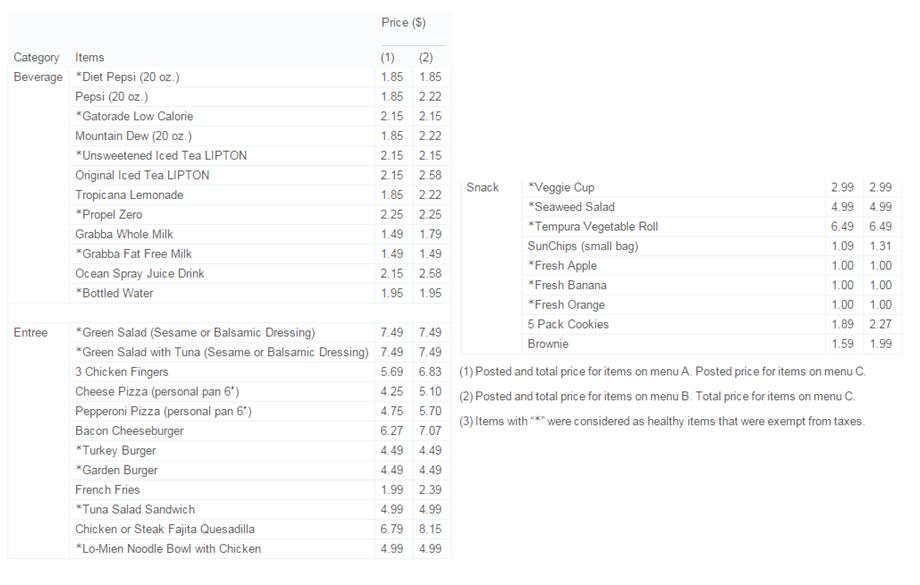
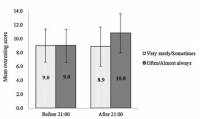
Items and respective prices in control and treatments

The current worldwide obesity problem has gotten to the point that government bodies have considered, and in some cases implemented, taxes on “unhealthy” foods. Although unhealthy is defined differently for everyone, most can agree that sugar-sweetened beverages such as soda would fall under that category, and not without good reason. Certainly Kelly Brownell from the Rudd Center for Food Policy and Obesity, Yale University would agree, as he was the first to propose that a penny-per-ounce excise tax could reduce consumption of sugared beverages by more than 10%.  This begs the question, what type of taxation would be most effective? There are essentially two types of taxes: inclusive and exclusive. The former means that the tax is included in the list price so that a $1.00 item with a 10% tax would show $1.10 on the price tag, while the latter is the standard sales tax whereby the tax amount is...

Continue reading
  2060 Hits

Super Human Roundup: Metabolically healthy obesity | Dairy for weight loss | Stressful eating | Not being fat for healthy aging

Super Human Roundup: Metabolically healthy obesity | Dairy for weight loss | Stressful eating | Not being fat for healthy aging

Metabolically healthy obese – key protective factors Obesity is commonly accompanied by numerous comorbidities (metabolic syndrome) that involve insulin resistance (IR), type-2 diabetes (T2D), hypertension, dyslipidemia, cardiovascular diseases, and a systemic inflammatory state. However, not all obese adults have these conditions and there are in fact obese individuals who have less visceral fat and adverse health complications than would be expected, a condition that has been termed metabolically healthy obesity (MHO). Why are these people different? That is the central question answered by Goncalves et al, who reviewed the protective metabolic, genetic, and etiological factors of MHO that represent between 10% and 45% of the adult obese population. It turns out that everything is traceable to one seminal factor – lower visceral fat, which is what ultimately causes IR and the detrimental inflammatory and hormonal profile that contributes to increased risk for cardiovascular disease. Whether some individuals carry genetic predisposition to MHO,...

Continue reading
  2028 Hits

Why you may reconsider buttering your potato

Why you may reconsider buttering your potato


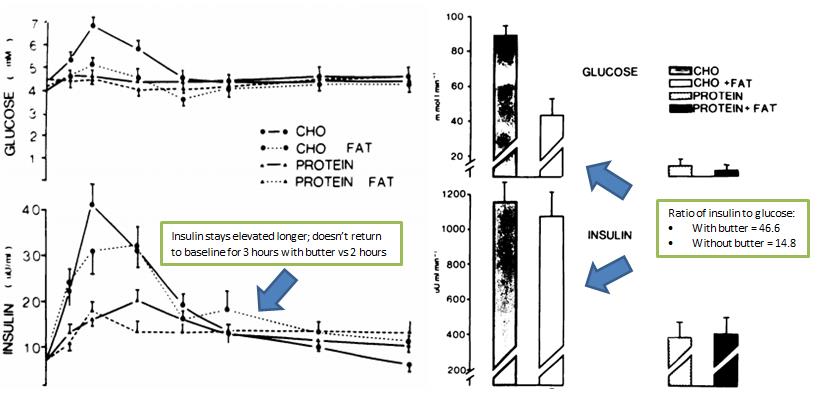
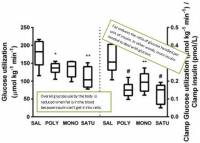
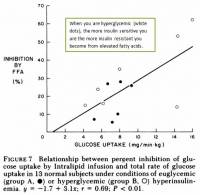
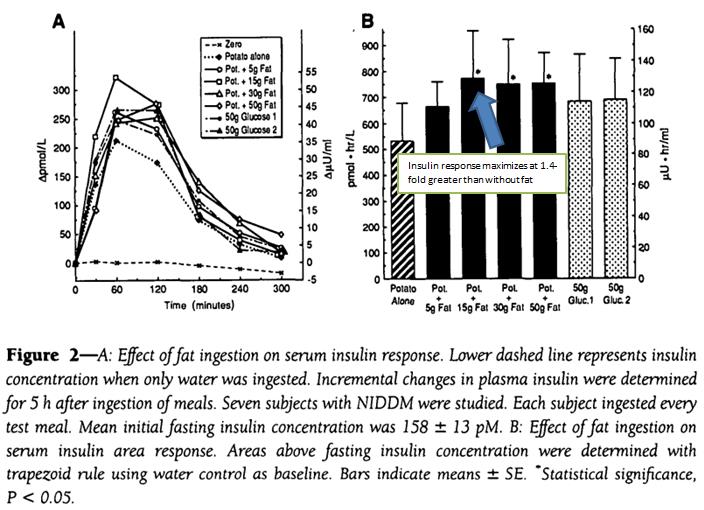
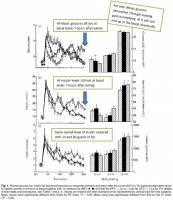
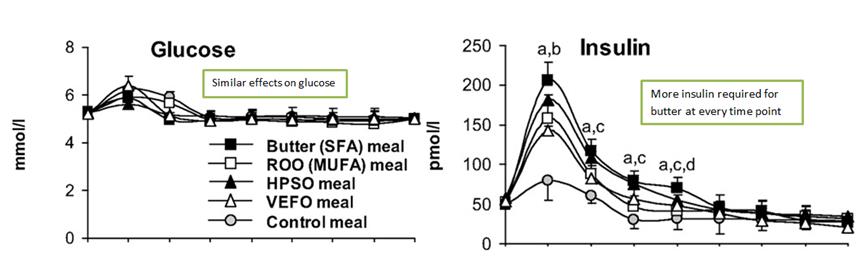
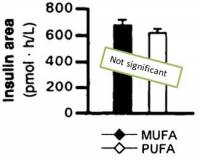
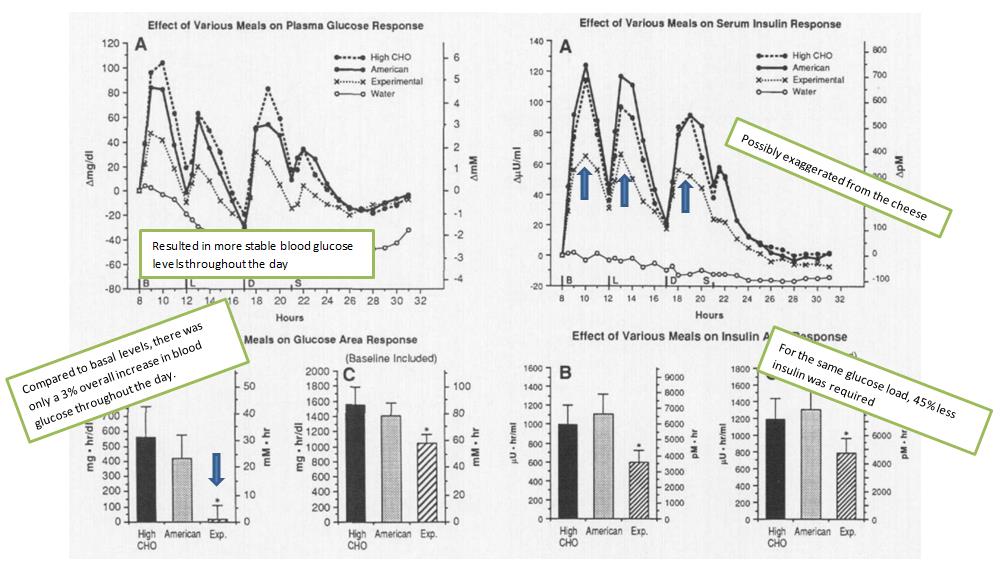
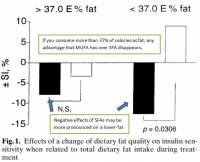
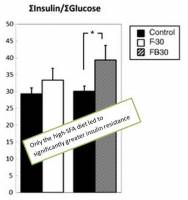
Adding fats to carbohydrate-containing meals is a common recommendation in dietetics to make meals “healthier” by reducing the glycemic response to the meal. The primary mechanism through which fat does this is by slowing the rate of gastric emptying, which leads to a slower appearance of glucose into the blood. Given that postprandial glycemia is an important risk factor for many diabetic complications, it makes complete sense to want to minimize post-meal blood glucose excursions. However, to focus solely on the blood glucose response of a meal misses the forest for the trees. There is a considerable amount of evidence to suggest that consuming starchy carbohydrates in combination with excessive dietary fat, especially saturated fat, causes an acute state of insulin resistance that may last for hours after the meal. This has been known since at least 1983, when Collier and O’Dea published research showing that adding butter to a potato...

Continue reading
  23407 Hits

Cutting calories and losing weight improve glucose metabolism in type-2 diabetes

Cutting calories and losing weight improve glucose metabolism in type-2 diabetes
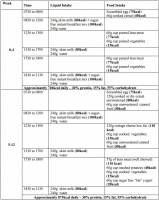
Sample Menu
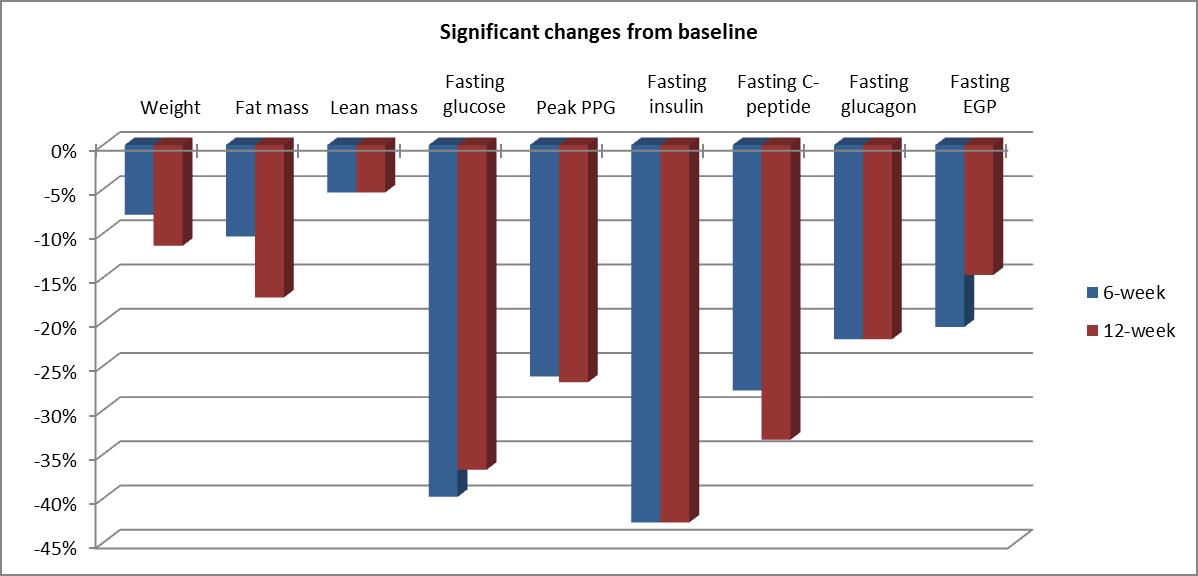
Significant improvements in glucose metabolism at 6 and 12 weeks

Individuals suffering from type-2 diabetes (T2D) can have a grocery list of health problems secondary to their condition, but the core issue is a dysregulation of glucose metabolism. The cause is multi-faceted and includes both genetic and environmental factors, but one consistently reappearing player is an excess amount of fat tissue – especially visceral fat. Therefore, it stands to reason that fat loss in individuals with T2D would lead to improvements in glucose metabolism. To test this hypothesis, researchers from the Mayo Clinic College of Medicine recruited 9 morbidly obese individuals with T2D (7 female) to follow a very low-calorie diet for 12-weeks. The diet consisted of 740 kcal daily for the first 4 weeks and 875 kcal daily thereafter, with meals derived from the Nutritional Guidelines for Bariatric Surgery. The participants met with a dietitian weekly and a behavioral psychologist every other week to facilitate compliance. Body composition measurements (DXA...

Continue reading
  3341 Hits

Physical activity and death – a potpourri of associations

Physical activity and death – a potpourri of associations
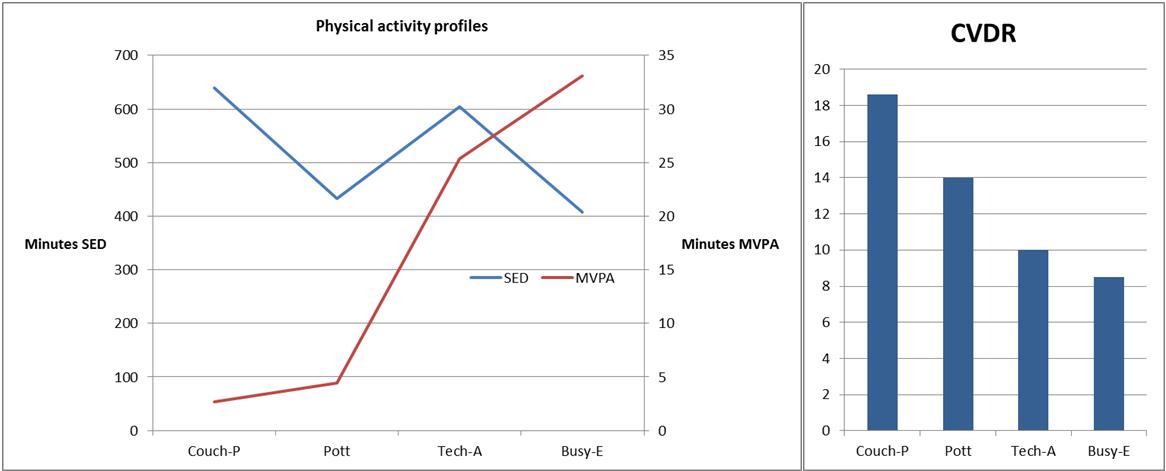
Physical activity profiles and cardiovascular disease risk (CVDR) of those profiles as determined by Maddison et al.
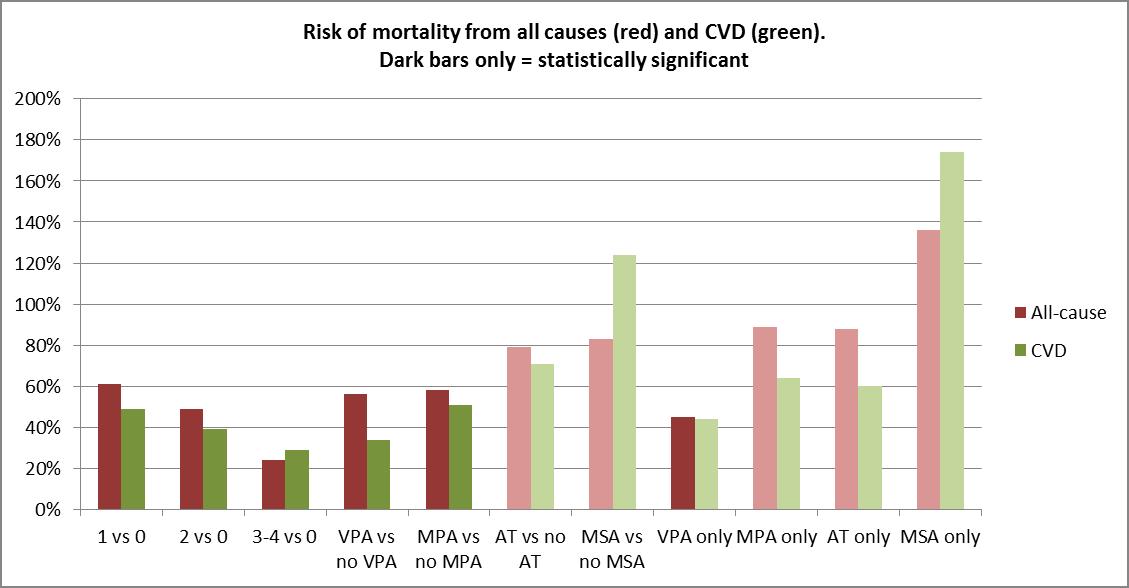
Combined, independent, and isolation effects of movement-based behaviors on risk of death from all causes and cardiovascular disease specifically.
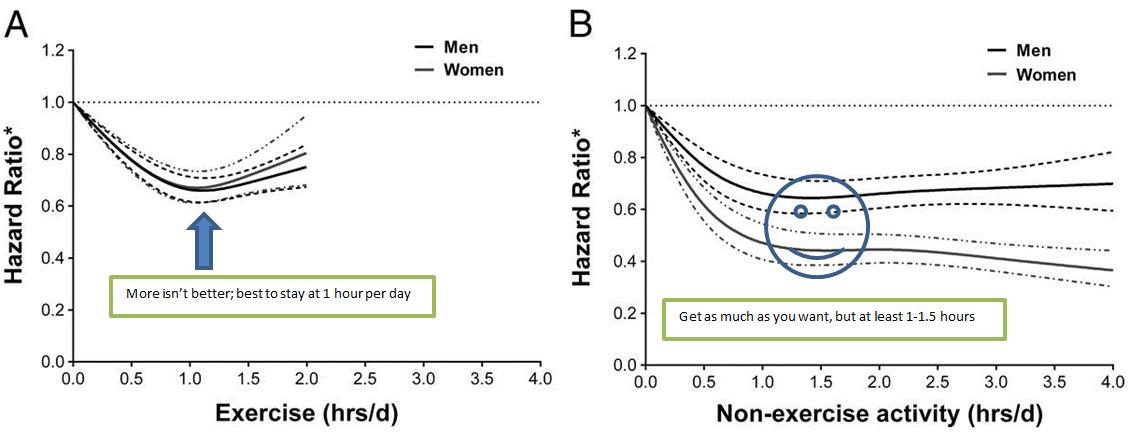
Exercise and non-exercise risk curves for death vs the amount of time spent in the activities.
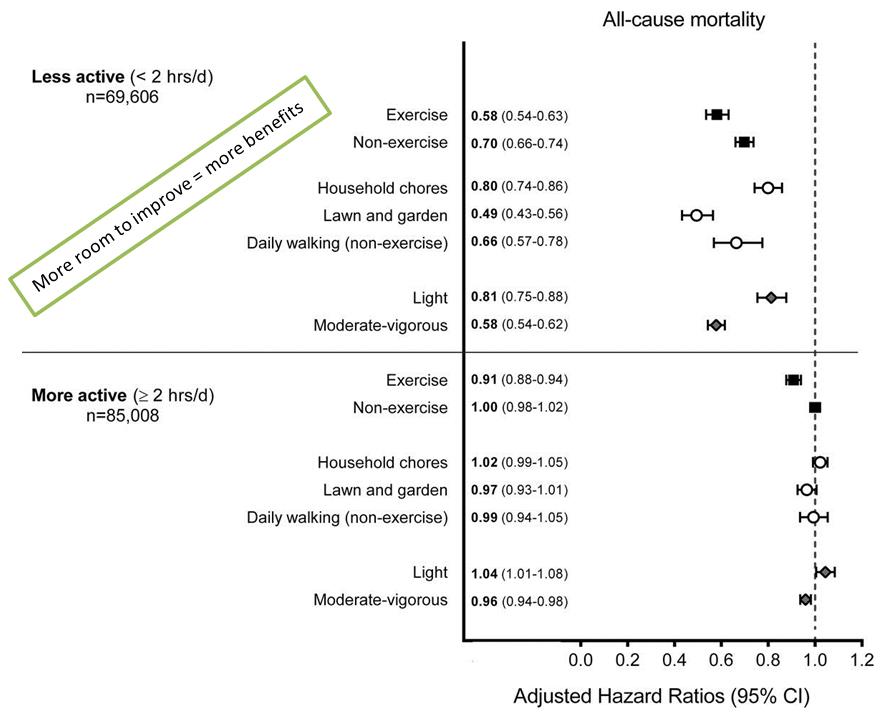
Risk of death from any cause in less and more active individuals from replacing 1 hour of sedentary time with 1 hour of certain activities.
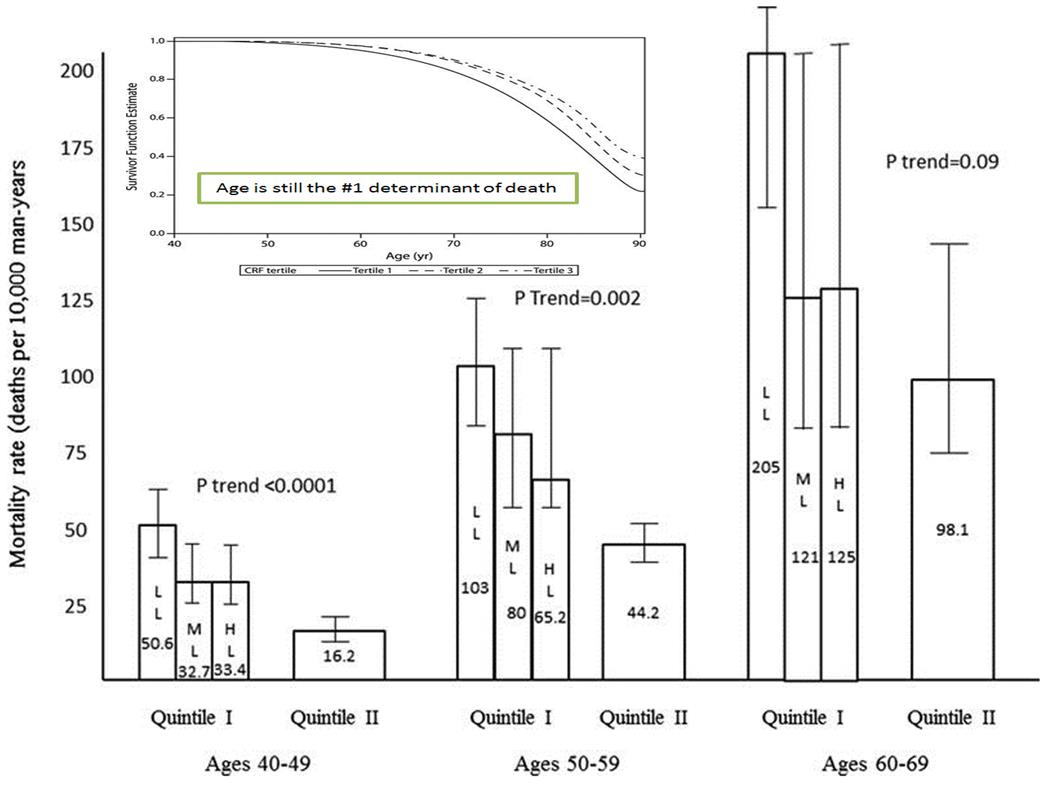
Mortality rate and survival curve for the lowest 2 quintiles of cardiorespiratory fitness.

In the U.S., it has been estimated that one-third of adults spend at least 9 waking hours and over two-thirds spend more than 7.5 waking hours being sedentary (SED) every day. In addition, more than two-thirds of adults achieve zero minutes of moderate-to-vigorous physical activity (MVPA). Interestingly enough, one-third of adults are obese and two-thirds are overweight. Coincidence? Not according to research suggesting that both increasing MVPA and reducing SED are required to substantially reduce the risk of obesity. More recently, a wave of publications has appeared in several journals that continue to support the what-should-be-obvious-by-now association between SED and/or MVPA and health. Although all these studies are epidemiological and thus prevent causal inferences, they still provide interesting information and identify associations for future direct testing. First up is the work of Maddison et al from University of Auckland, who sought to characterize typical activity profiles of Americans and determine their...

Continue reading
  3022 Hits

Super Human Roundup: Smoking and energy expenditure; national protein sources, and why we yo-yo diet

Super Human Roundup: Smoking and energy expenditure; national protein sources, and why we yo-yo diet

Smoking is associated with increased resting energy expenditure Cigarette smoking is known to be associated with lower bodyweight and weight gain is a common feature of smoking cessation. It is believed that nicotine acts by various mechanisms on the body’s energy balance and affects both the central nervous system and peripheral tissues by regulating the release of a wide range of neurotransmitters and hormones. Now, Blauw et al show in the first large-scale cohort of its kind that smokers have a 4.7% higher resting energy expenditure per kilogram of fat-free mass than never smokers. This result came from analysis of 1189 men and women from the Netherlands Epidemiology of Obesity (NEO) study. Where do we get our protein? According to Pasiakos et al from the US Army Research Institute of Environmental Medicine, who analyzed the NHANES 2007-2010 data on 10,977 adults, the average protein intake from animal, dairy, and plants was...

Continue reading
  1688 Hits

Lifelong effects of ketogenic diet in mice

Lifelong effects of ketogenic diet in mice
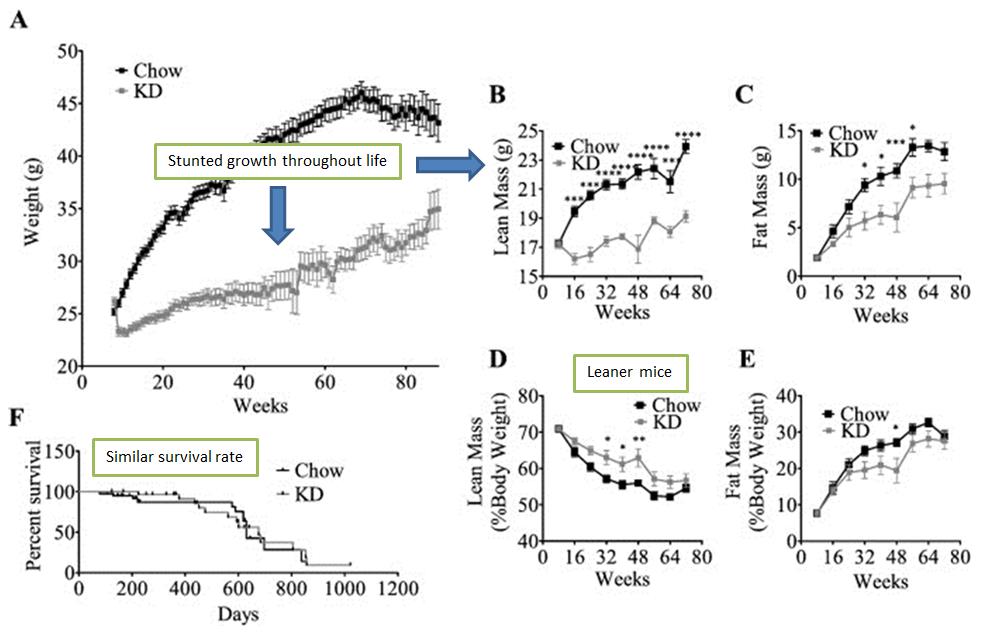
Body composition changes and survival rate in keto-fed and chow-fed mice over a lifetime.
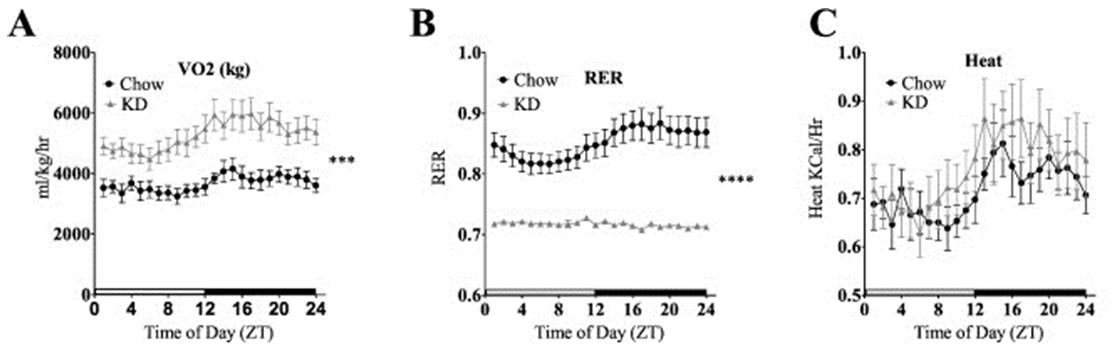
Oxygen consumption (VO2), respiratory exchange ratio (RER), and heat production in keto-fed and chow-fed mice.
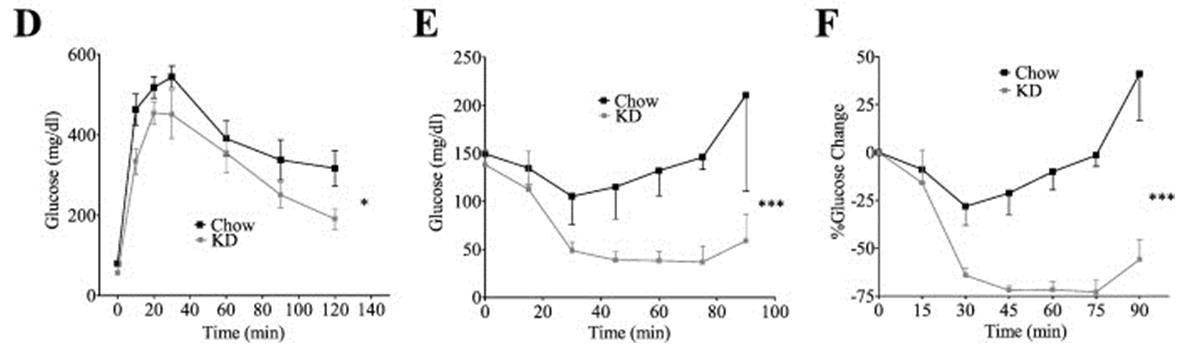
Blood glucose in response to a glucose-challenge test (A) and total blood glucose (E) and % change (F) after exogenous insulin administration in keto-fed and chow-fed mice.
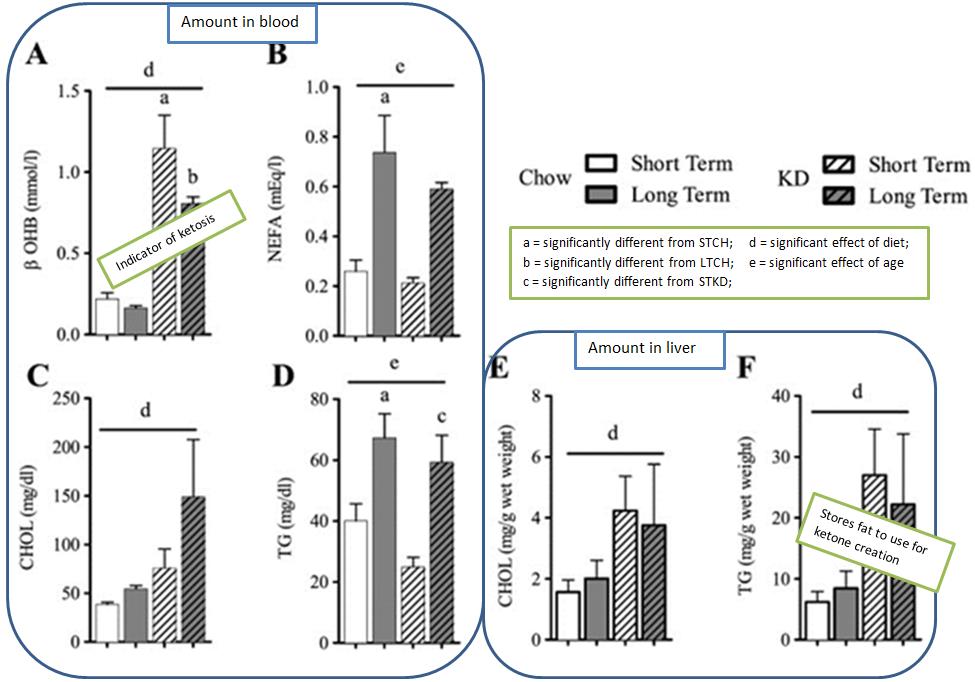
Beta-hydroxybutyrate (BOHB), non-esterfied fatty acid (NEFA), cholesterol (chol), and triglycerides (TG) in serum (A-D) and liver (E & F) in keto-fed and chow-fed mice.
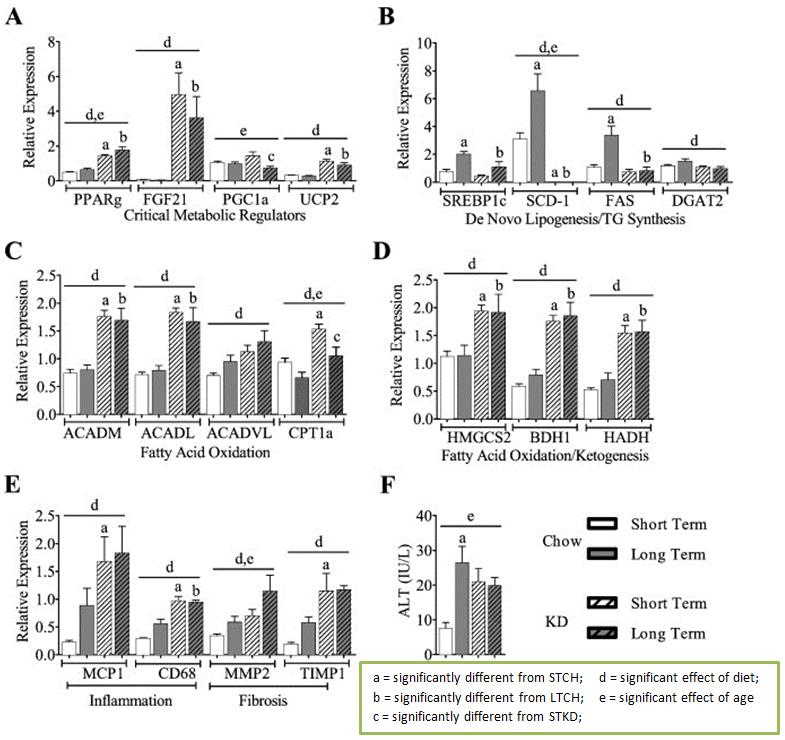
Gene expression in keto-fed and chow-fed mice
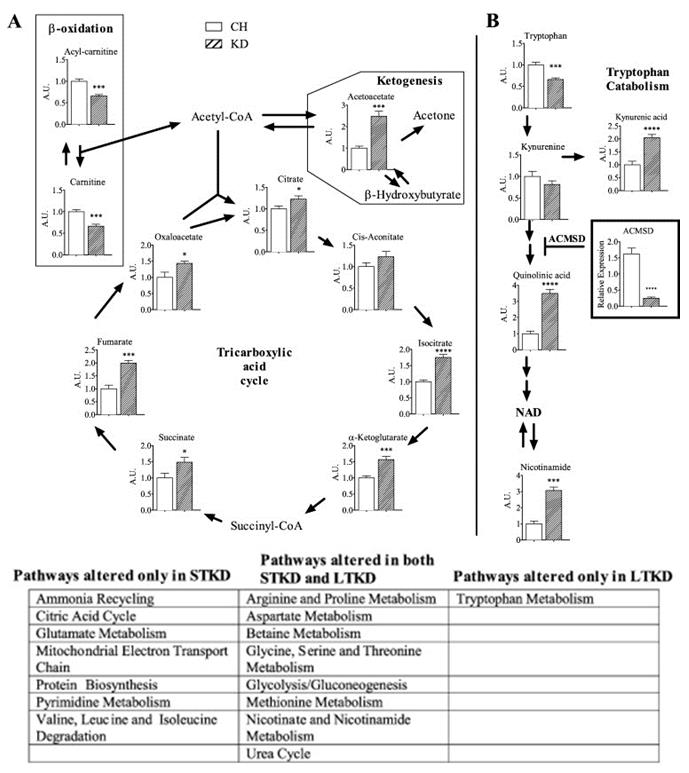
Difference in TCA cycle intermediates, B-oxidation, and tryptophan catabolism in keto-fed and chow-fed mice. Values expressed relative to chow-fed mice.

Ketogenic diets (KD) have become a growing interest for weight loss, exercise performance, and health. They are most well-known for their use in the treatment of refractory epilepsy, particularly in children, which dates back to at least the 1920s and is more effective than most epileptic drug treatments. However, there is a concern over and lack of knowledge regarding long-term effects. For instance, a more serious side-effect of KD is growth retardation possibly owed to the very low protein intake, which may resolve via catch-up growth upon diet discontinuation. Given the methodological problems of conducting studies lasting years or decades, it is not that surprising that no research exists regarding long-term effects. However, this knowledge is of clinical importance. Thus, to help further our understanding of the physiologic consequences of KD on systemic health, longevity, and metabolism, Douris et al from the Harvard Medical School compared both the short-term effects of...

Continue reading
  4641 Hits

Reanalysis confirms, more protein maximizes fat loss in overweight adults

Reanalysis confirms, more protein maximizes fat loss in overweight adults
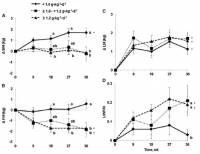
Changes in bodyweight (A), fat mass (B), lean-body mass (C), and the lean to fat mass ratio (D) every 9 weeks throughout the intervention. *Significantly different from zero (i.e., the change from before to after the intervention is significant). Values without a common letter are significantly different.
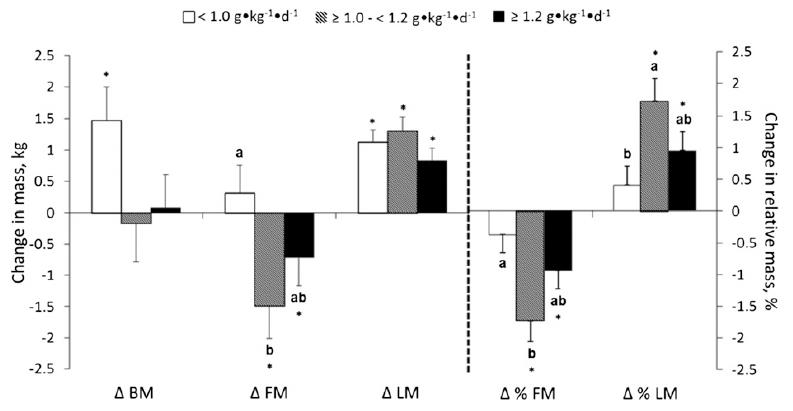
The changes in BM, FM, LM, %FM, and %LM; * significantly different from zero (i.e., the change from before to after the intervention is significant). Values without a common letter are significantly different.

In 2012, researchers from Purdue University published a study suggesting that increasing total protein intake through whey protein supplementation was not effective in enhancing exercise-induced improvements in body composition and indices of metabolic syndrome in middle-aged overweight and obese adults. In this double-blind, randomized, placebo-controlled, community-based study, 220 inactive adults [about half of which had metabolic syndrome (MetS)] completed a 9-month resistance training (2 d/wk) and aerobic training (1 d/wk) exercise program that ultimately led to increases in whole-body strength and VO2max and an increase in lean-body mass (LBM) and reduction in fat mass (FM) despite no bodyweight change. However, during this intervention period, the participants were also instructed to consume a 200 kcal sachet twice daily with breakfast and lunch that contained 0, 10, 20, or 30 g whey protein (total daily supplemental dose 400 kcal and 0, 20, 40, and 60 g whey, respectively), which had no impact on...

Continue reading
  1772 Hits

Make it to lunch and you're golden; effects of skipping breakfast don’t last forever

Make it to lunch and you're golden; effects of skipping breakfast don’t last forever
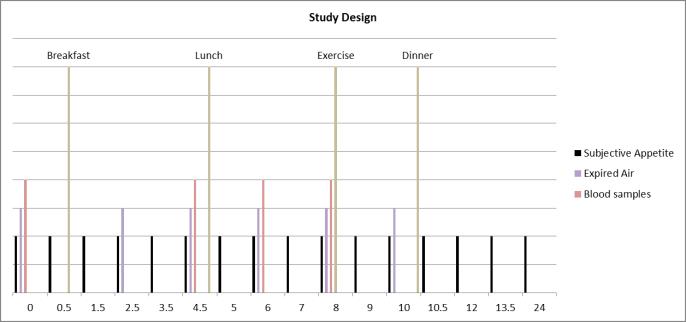
Experimental Protocol
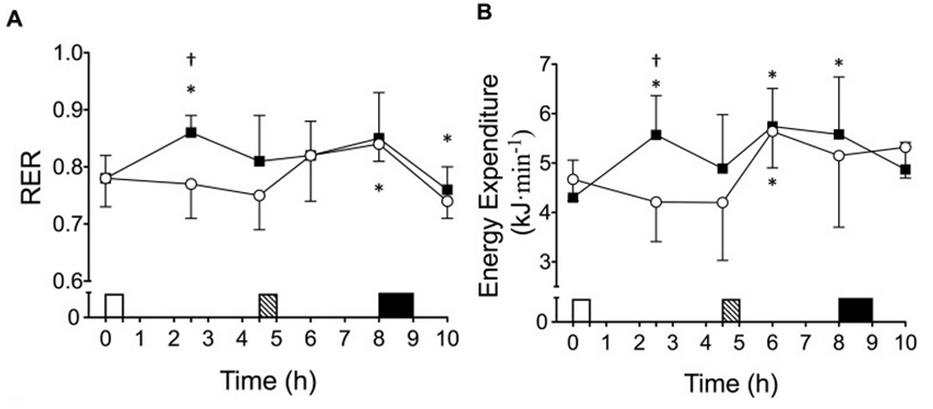
Energy Expenditure
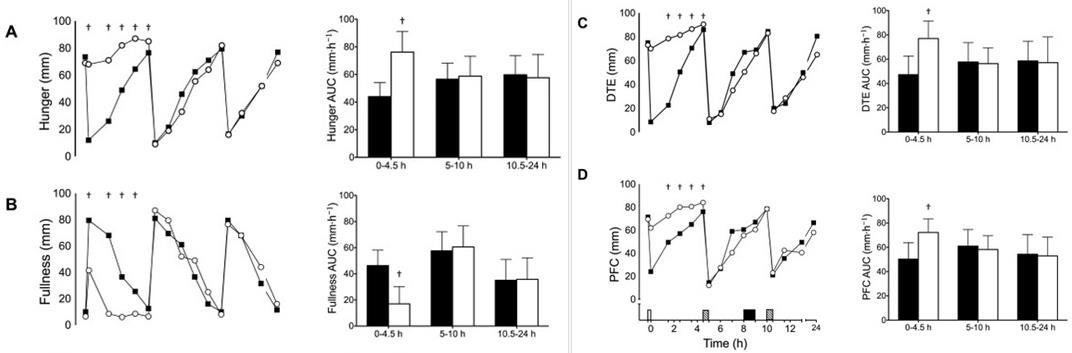
feelings of hunger

In a previous article I discussed a study showing that skipping breakfast does indeed lead to greater food and calorie intake during lunch, but not nearly enough to compensate for the calories not consumed at breakfast.  The researchers were able to show this outcome because they allowed for ad libitum food intake at lunch, meaning that the study participants could eat as much food as they wanted. This makes perfect sense considering the entire point of these studies is to compare how breakfast consumption or omission affects subsequent food intake, but it leaves an incomplete picture of the metabolic and hormonal effects breakfast may or may not have. What if eating as much food as you wanted at lunch wasn’t an option? What if you exercised later in the day? Many individuals who decide to skip breakfast do so in order to aid weight loss, and many may choose to monitor...

Continue reading
  1994 Hits

Super Human Roundup: Childhood screen time and academics, infant diets, hypertension, and overrated grains

Super Human Roundup: Childhood screen time and academics, infant diets, hypertension, and overrated grains

Obesity, screen time, and sedentariness predict lower academic achievement in children Antonio Garcia-Hermoso and Raquel Marina recently recruited 395 seventh-grade boys and girls from seven schools to estimate the relationship between weight, physical activity, screen time, and academic achievement. After adjusting for several confounding variables, they found that boys and girls with obesity had worse grades than their leaner peers and that kids who had more than 2-hours of screen time daily had worse grades independent of weight status and physical activity. These associations only became stronger when variables were combined. Both boys and girls who were obese, with low–medium physical activity and exceeded recommended screen time were less likely to earn high academic achievements than their counterparts who were non-obese, with high physical activity and met screen time recommendations, independent of potential confounders. Have you ever wondered what infants in the U.S. eat? To say good nutrition during infancy is...

Continue reading
  1641 Hits
SHR Logo

Super Human Radio is the world's longest running broadcast dedicated to health, fitness & anti-aging with an emphasis on exercise, nutrition, and hormone management. This one of the most progressive podcasts for preventative & regenerative techniques designed to increase longevity. More

2908 Brownsboro Rd Ste 103
Louisville, Kentucky 40206

(502)-690-2200

SHR Logo

Super Human Radio is the world's longest running broadcast dedicated to fitness, health, and anti-aging with emphasis on exercise, nutrition, and hormone management. The most progressive source of information for preventative & regenerative techniques... More
2908 Brownsboro Rd Ste 103
Louisville, Kentucky 40206
United States of America

+1 502-690-2200