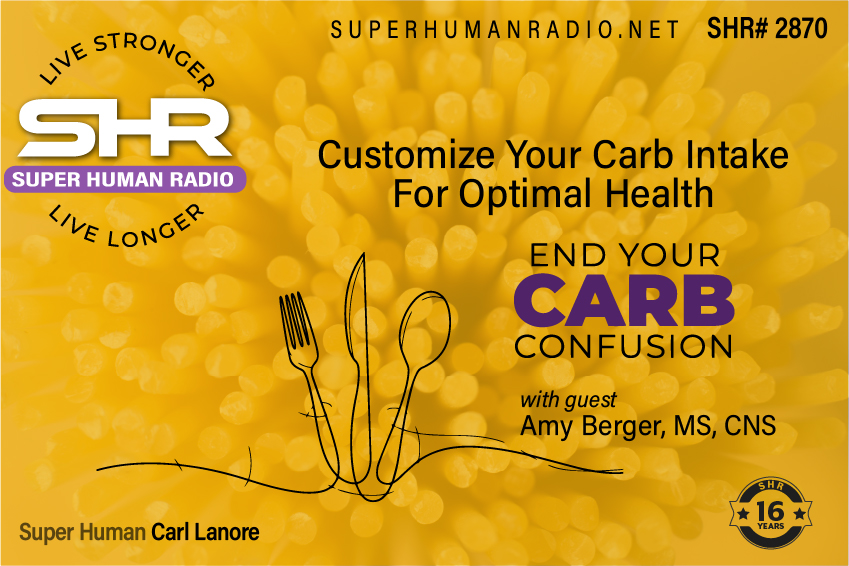
Customize Your Carb Intake for Optimal Health
with guest Amy Berger, MS, CNS
Do you feel totally overwhelmed by the avalanche of information out there about diet and health? Have you given up even trying to figure out what’s right for you? Low-carb? Low-fat? Vegetarian? Keto? Mediterranean? Or have you gone the opposite way, immersing yourself in everything you can get your eyes and ears on—every video and podcast, every book, blog, forum, social media feed, and program from self-proclaimed experts? Maybe not a second goes by that you’re not scrolling through things on your phone or immersed in what’s coming through your earbuds, and you still have no idea which way to go. http://shrnetwork.biz/endyourcarbconfusion today to learn more.
Play
Show Notes:
Customize Your Carb Intake for Optimal Health
[00:04:25] An interesting opening discussion on thyroid function ensues.
[00:12:15] Why do we ignore non-impact carbohydrate?
- Non-impact carbohydrates are a misnomer.
- Sugar alcohols and sweetening agents still have a glycemic impact, although less than regular sugars.
- Individual responses vary and it should be monitored.
[00:13:04] Are CGMs (continuous glucose monitors) a useful tool for non-insulin resistant people to figure out their own metabolism?
- Can be an especially useful tool, but you really have to understand how to interpret the number you see.
[00:19:51] What is your opinion on time restricted eating?
- Time restricted eating will assist in tempering snacking all day.
- Mix up the routine though, as long as there is a period of time you are not eating.
- Spend some time with blood sugar and insulin load on normal and in a fat burning state.
[00:23:11] Should glucagon be included into the insulin and blood sugar equation?
- For most people, the glucose and insulin are enough.
[00:34:26] Does sugar feed cancers?
- I do not think we can say that sugar causes cancer, but sugar , amongst others are particularly good for fueling cancer and insulin is giving the signal for it to do so.
- There is no harm in restricting sugar, and it might help in the fight against cancer.
[00:39:25] Are we going too far by saying sugar is addictive?
- Some physicians who would say that it is addictive and that it does alter the brain structure.
- It depends on how you use the word addiction.
- I think of addiction as continued use, despite harm.
[00:41:13] Carl shares his view on the opinion that sugar is addictive.
[00:43:41] Is it better to eat low carb for cognitive impairment or preventing it?
- To preserve healthy cognitive function, you want to eat and live in a way that maintains healthy blood sugar and insulin levels.
- The amount of carbohydrate that anyone can eat to achieve it, varies from person to person.
- For existing cognitive issues, the approach would be more extreme.
- Insulin sensitivity is reversible.
[00:45:58] Do you think that fructose is bad?
- Fruit is not the problem; it is the dose of fructose we consume through high fructose corn syrups etc.
[00:50:28] Agave is extremely high in fructose; the discussion continues on fructose and other sweeteners and avoidance of sugar.
[00:59:09] If you want to develop a healthy relationship with carbohydrates (see link below) for Amy’s book and website.
[01:00:10] People give up on diets, because they have unrealistic expectations and go on diets that are not sustainable.
[01:00:32] How worried should we be about goitrogenic foods when it comes to the thyroid?
- The dose makes the poison.
- Cooked cruciferous vegetables or any goitrogenic foods are not going to induce hypothyroidism in anybody, when consumed in a balanced diet.
[01:01:46] What do you think about polyunsaturated fatty acids?
- I am not saying that they are healthy foods, but I know that people can have massive improvements in health without deliberately avoiding vegetable oils.
- However, they might be reducing consumption just by way of cutting the carbs.
[01:04:34] A compelling discussion on the Warburg Effect follows.
[01:06:27] Carl tells a story about anti-aging advice.
[01:07:42] Carl answers a question on what type of exercises weak and people in pain can do.
[01:09:29] Amy adds to the discussion that:
- therapeutic ketogenic diets are well-known for increasing energy levels,
- joint pain tends to go away even before you lose any weight,
- it would be good to get bloodwork done to determine if you are deficient in anything,
[01:10:06] What do you think about exogenous ketone use?
- Have a role to play in particularly things like neurodegenerative diseases.
- Not a tool for weight loss or reversing metabolic syndrome.
[01:12:10] Both Carl and Amy reiterate that diets, supplementation, exercise, and medicine are extremely individualized. Also get your information from reputable sources.
Get the Book
Stay in touch with us! Get show highlights, tips, new research & offers in your inbox.
Latest Episodes

SHR #3033: The Truth about Glyphosate and Disease
May 02, 2026
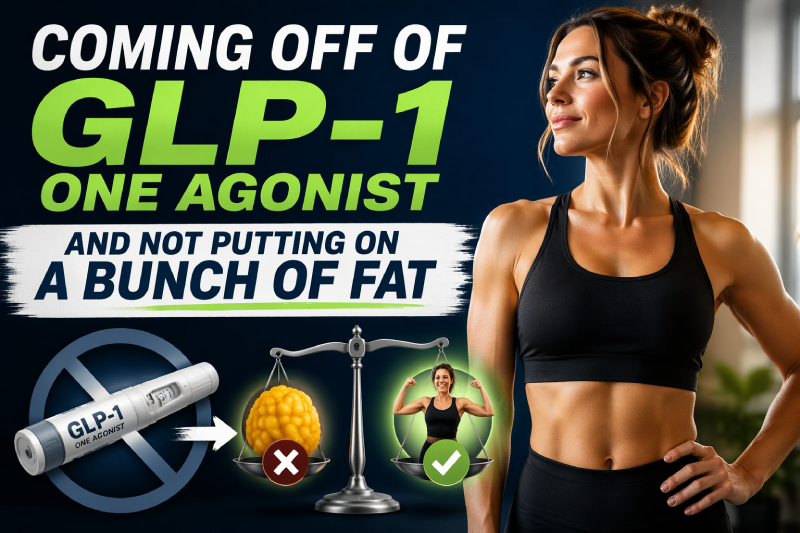
SHR #3032: Coming off of GLP one agonist and not putting on a bunch of fat
Apr 14, 2026
SHR #3025: Should You Fear the Fairway?
Feb 21, 2026

SHR #3031: The Sepsis Show
Feb 16, 2026
SHR #3030: Cheating Death
Feb 11, 2026
SHR #3029: The Ultimate Anabolic Steroid Research Guide
Oct 31, 2025
SHR #3028: Slow Aging. Prevent Disease.
Oct 23, 2025

SHR #3026: The Magic of Proper Stress Management
Dec 24, 2023
SHR #3023: The Prime Act - Getting the USDA Out From Your Farmers Way
Sep 19, 2023
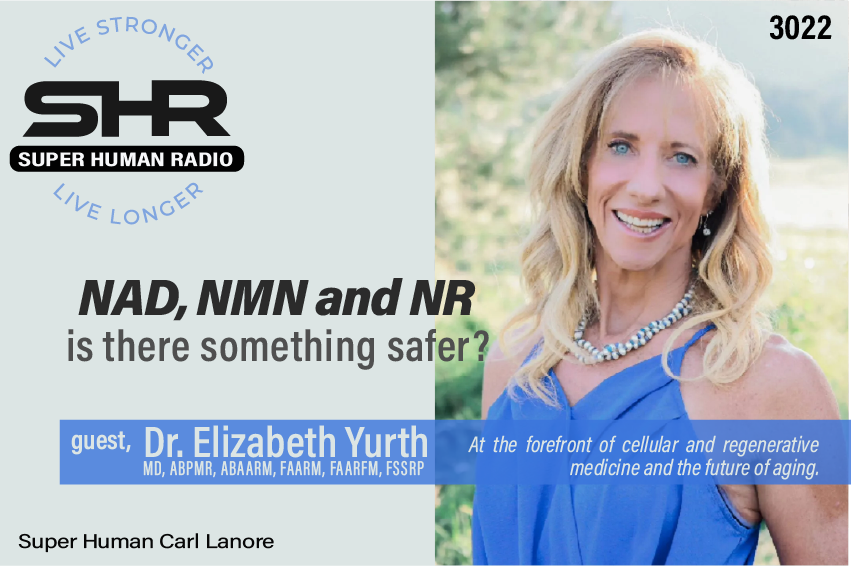
SHR #3022: NAD, NMN and NR; Is There Something Safer?
Sep 18, 2023

SHR #3021: The Legend Of Christian Boeving
Sep 17, 2023
SHR #3020: The Sleep Talk
Sep 14, 2023